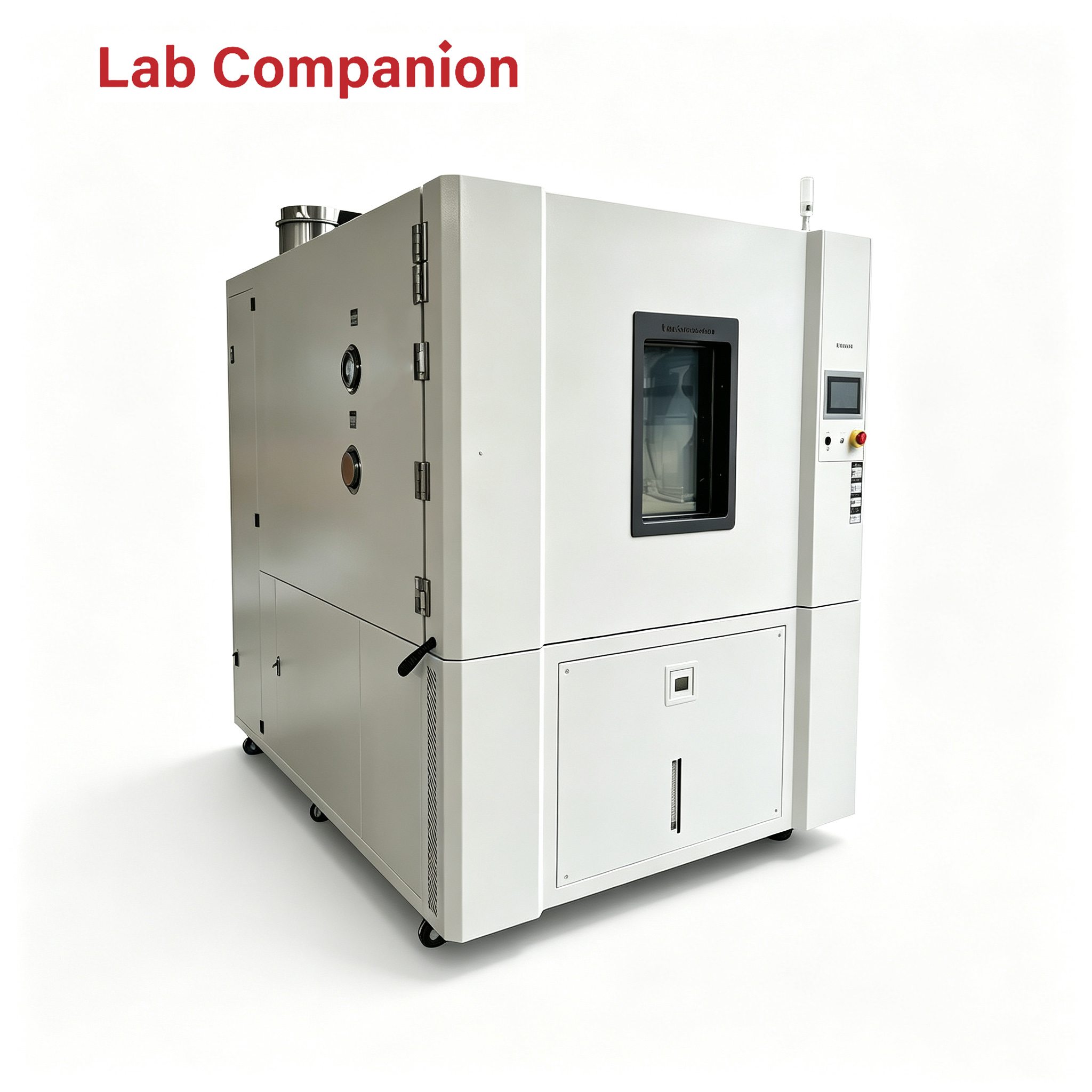
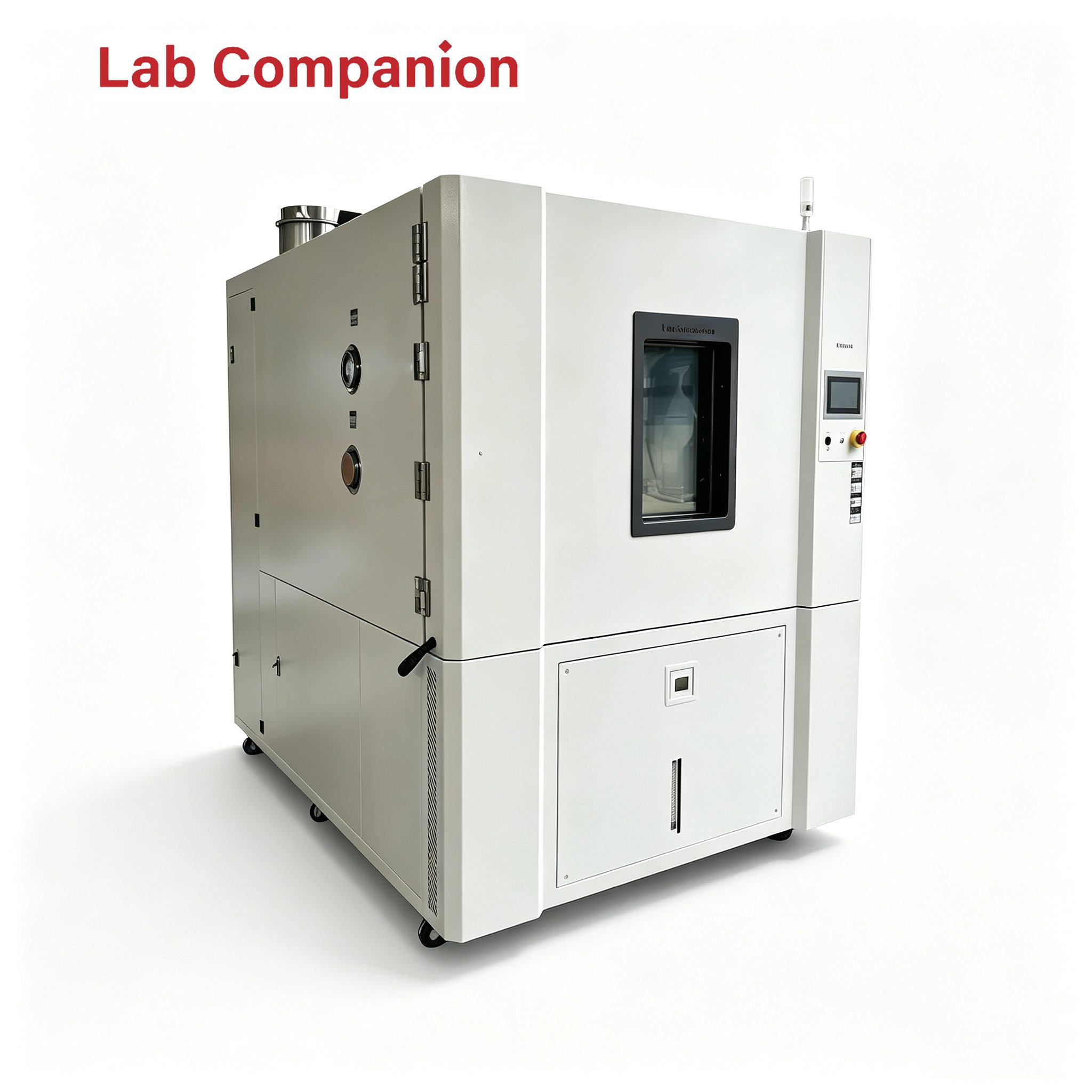
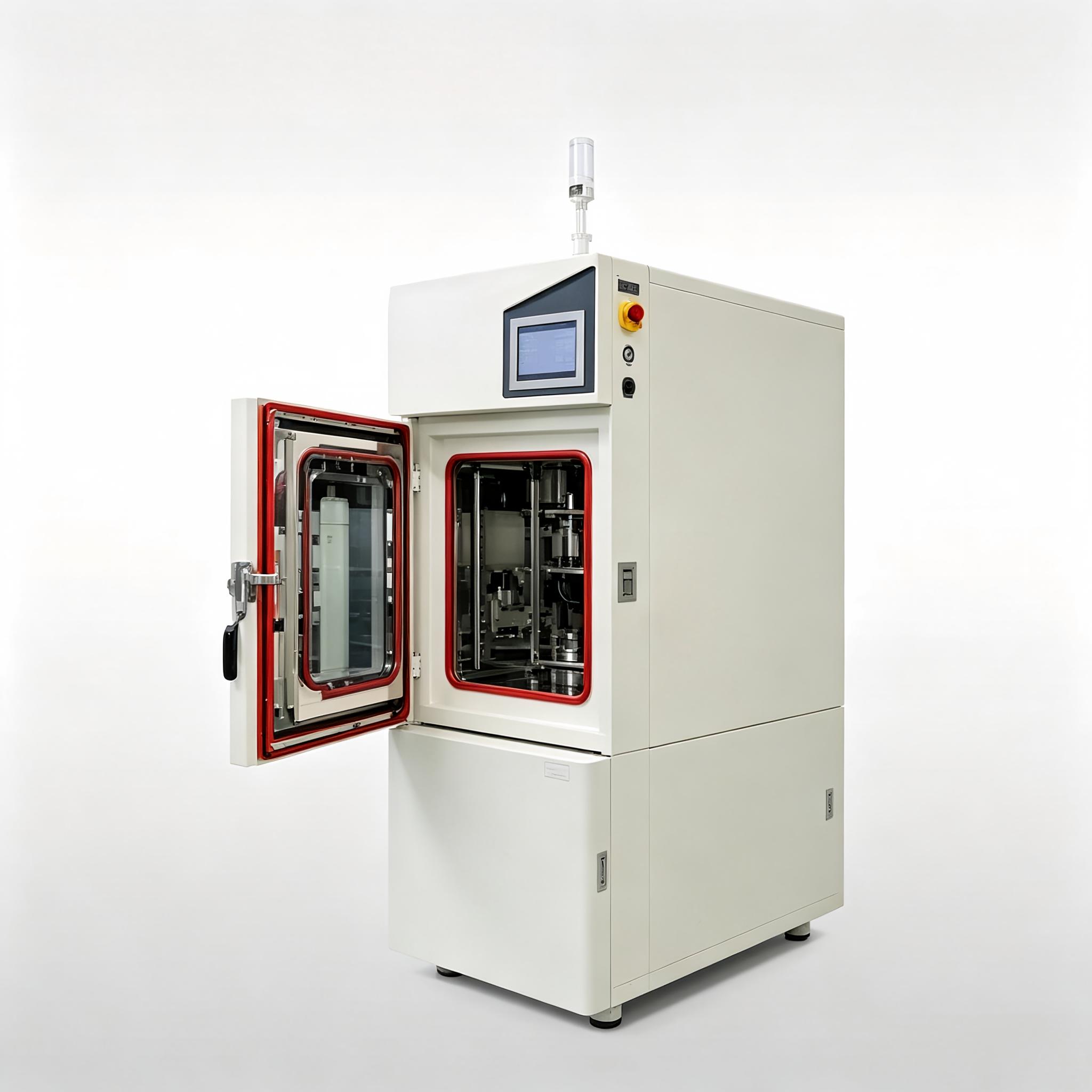
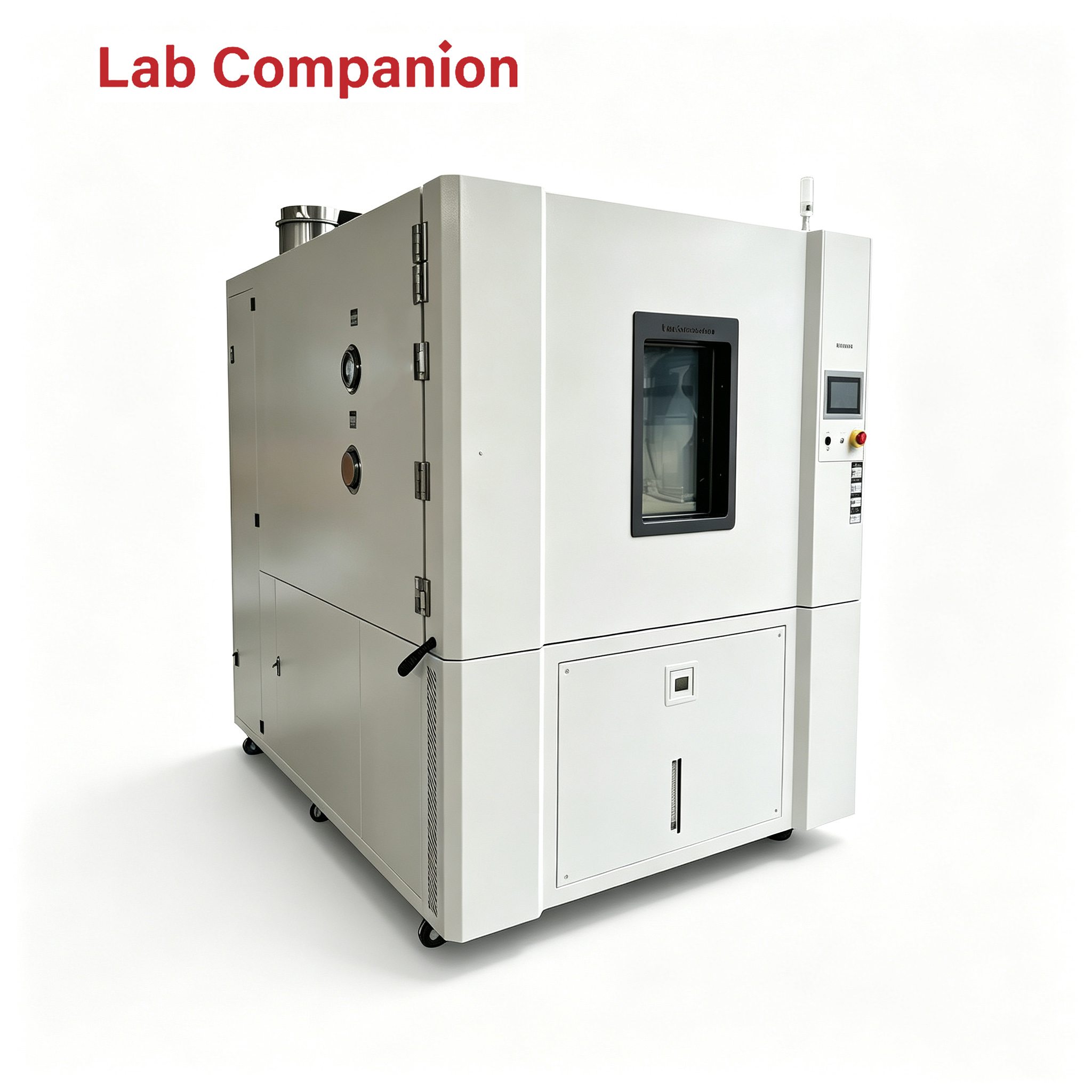
In the procurement decision-making of environmental test equipment, price is always the core sensitive point for purchasers. However, the true value of an environmental test chamber lies not only in the "one-time quotation" during procurement, but also in the total life cycle measurement. Hidden costs such as equipment energy consumption, failure downtime losses, maintenance costs, and service life are the key factors determining whether a high and low temperature test chamber is truly "worth buying". As a benchmark enterprise in domestic environmental test chambers, Lab Companion has redefined the "cost-effectiveness" of environmental test equipment with more than 20 years of in-depth experience — it is not a compromise on low prices, but the implementation of the core value of "optimal total cost throughout the life cycle".
I. Lab Companion: More Than 20 Years of In-Depth Cultivation, Laying a Solid Foundation for "Cost-Effectiveness" from the Source
An enterprise's ability to achieve "good quality at a reasonable price" is never a short-term game of cutting material costs, but stems from the systematic optimization of the entire chain from R&D, manufacturing to quality control. Founded in 2005, Lab Companion is headquartered in Dongguan City, Guangdong Province, with a standardized production base of over 6,000 square meters. It has three R&D and manufacturing centers in Dongguan, Kunshan and Chongqing, and 16 service centers nationwide, with an annual output exceeding 2,000 environmental test equipment. As a national high-tech enterprise and a specialized, refined, characteristic and innovative enterprise, the company has invested hundreds of millions of yuan in tackling core technologies, overcoming industry pain points such as temperature control accuracy, temperature switching efficiency and energy conservation, and has won 43 patents and 3 software copyrights, building an insurmountable technical barrier.
1. Independent R&D of Core Control System, Breaking Technical Dependence to Reduce Costs and Increase Efficiency
Lab Companion's independently developed C100 type PID temperature and humidity control + fuzzy logic control system has the ability to automatically combine the working conditions of refrigeration, heating, vacuum and other subsystems. Its original cold-end regulation control method has obtained national patent certification, which fundamentally solves the industry problem of high energy consumption of traditional control systems. By independently developing the core controller, Lab Companion not only completely gets rid of the procurement dependence on external equipment, but also continuously reduces production and operation and maintenance costs in the process of technological iteration, providing core support for "high quality at low price".
2. Standardized and Large-Scale Manufacturing, Spreading Unit Costs While Ensuring Quality
Lab Companion adopts a process-based assembly line operation mode, with complete process documents and process specifications for each process. It has introduced high-precision processing equipment such as Hong Kong LFK CNC bending machine and Germany TRUMPF laser cutting machine, which not only ensures the processing accuracy of products, but also greatly improves production efficiency. Large-scale production effectively spreads the fixed cost of unit products, while high-standard assembly technology reversely reduces the frequency of after-sales maintenance — this positive cycle of "manufacturing efficiency → cost optimization → quality stability" is the underlying logic for Lab Companion to achieve "domestic brand price and international brand quality".
3. Strict Factory Inspection, Reducing Hidden After-Sales Costs from the Source
Lab Companion implements a full-process strict inspection for each factory equipment, comprehensively debugs the performance of each system, and completes the trouble-free continuous operation test before leaving the factory to ensure that the equipment can be put into use with zero failure when it arrives at the user's site. This pre-quality control verification greatly reduces the failure rate and after-sales costs after the equipment arrives at the site, and also enables Lab Companion to dare to promise "whole machine warranty ≥ 2 years and core components warranty 5 years", avoiding worries about later maintenance for purchasers.
II. Four Core Dimensions, Decoding the Core Advantages of Lab Companion's "Cost-Effectiveness"
The core of Lab Companion's "cost-effectiveness" is "the lowest total cost throughout the life cycle", which can be intuitively reflected from four dimensions: procurement, operation, maintenance and use. Each advantage accurately hits the core pain points of purchasers.
1. Procurement Cost: The Price of the Same Configuration is Only 50%-70% of Imported Brands, Refusing Quality Compromise
The most direct embodiment of high cost-effectiveness is the procurement price advantage: the price of Lab Companion's environmental test chambers with the same configuration is 30%-50% lower than that of international brands, and the mid-range models only cost 50,000 to 150,000 yuan, which greatly reduces the procurement budget pressure. However, this advantage is not at the cost of sacrificing quality; on the contrary, it does not compromise on the configuration of core components: electrical accessories are selected from international first-line brands such as Siemens, Schneider and ABB; the refrigeration system is equipped with Germany Bitzer, Germany GEA Blogg and US Copeland compressors; refrigeration accessories are all from well-known international manufacturers such as Denmark Danfoss and US SPORLAN. "Using good materials and controlling costs well" allows purchasers to enjoy core configurations of international quality at domestic prices.
2. Operation Cost: Energy Consumption is 28%-38% Lower Than the Industry Average, Saving Considerable Electricity Costs in the Long Term
Environmental test chambers mostly operate continuously for 24 hours, and electricity costs are long-term and huge hidden expenses. Lab Companion has invested special R&D in energy conservation and consumption reduction, and achieved energy-saving breakthroughs through a number of technological innovations: the unique design of cold and hot bypass regulation and liquid hammer prevention system keeps the compressor in the best working condition, taking into account service life and refrigeration efficiency; the refrigeration system adopts the inverse Carnot cycle design, which greatly improves the refrigeration efficiency; the cold-end regulation function of the C100 control system further reduces invalid energy consumption. For production lines or R&D laboratories that operate for a long time, tens of thousands of yuan in electricity costs can be saved every year, significantly reducing the total cost of ownership throughout the life cycle.
3. Maintenance Cost: Three-Year Failure Rate is Less Than 3%, Greatly Reducing Downtime Losses
Equipment failure brings not only maintenance costs, but also hidden losses such as test interruption, R&D delay and production schedule disruption. The three-year failure rate of Lab Companion's equipment is less than 3%, which is far better than the industry average. The reliability comes from three guarantees: first, international first-line core components lay a foundation for long-term stable operation; second, the independently developed Q8 series control system has complete self-inspection, fault early warning and alarm functions, realizing "early discovery and early investigation"; third, the efficient service network built by 16 national service centers achieves "2-hour response in the Pearl River Delta and 48-hour on-site service nationwide", which is far beyond the response cycle of more than 72 hours of imported brands, minimizing downtime and reducing losses.
4. Usage Cost: Flexible Customization, Avoiding Space Waste and Secondary Investment
The mismatch between the volume, temperature range and other parameters of the environmental test chamber and the actual test needs will cause space waste, increased energy consumption, or forced secondary procurement due to insufficient parameters. Lab Companion provides full-scenario customization solutions: the high and low temperature humidity test chamber covers a variety of standard volumes such as 34L, 64L, 100L to 1000L, and also supports non-standard customization such as 36L-1000L volume, -80℃ to 250℃ special temperature range and anti-corrosion inner tank, allowing purchasers to accurately match their own needs without spending "wasted money". In addition, the delivery cycle of conventional models is only 7-30 days, 60% faster than that of international brands, and non-standard customization can also complete the whole process from design, production to delivery quickly, improving procurement efficiency.
III. Typical Product Series: Adapting to Different Budgets, Each is a Cost-Effective Choice
Aiming at different scenarios and budgets, Lab Companion has created a diversified product series, which takes into account practicality and cost-effectiveness, and meets various procurement needs:
1. First Choice for Small and Medium-Sized R&D Laboratories: High and Low Temperature Humidity Test Chamber
Covering a temperature range of -40℃/-70℃ to +150℃ and a humidity range of 20%-98%RH, it is equipped with a C100 type PID controller, which is easy to operate and stable in operation. The price of mid-range models is 50,000 to 150,000 yuan, which is suitable for the R&D and testing needs of university laboratories and small and medium-sized electronic enterprises, and is an entry-level cost-effective choice.
2. Adapted for Mass Quality Inspection on Production Lines: Constant Temperature and Humidity Test Chamber
The temperature range covers -20℃ to +150℃, which is specially designed for rapid sampling inspection of electronic components and consumer electronic products in the production link. It has stable operation and low energy consumption, adapts to 24-hour continuous operation scenarios, and takes into account quality inspection efficiency and long-term use costs.
3. Large-Scale Projects and Extreme Environment Simulation: Walk-In Constant Temperature and Humidity Test Chamber/Large-Scale High and Low Temperature Chamber
Aiming at scenarios such as vehicle testing and large-scale equipment verification, Lab Companion provides walk-in environmental test chambers and large-scale high and low temperature humidity test chambers. Adopting a modular assembly design, it is easy to install, and users can adjust the size and structure of the test chamber according to subsequent test needs, effectively reducing future expansion costs and adapting to the high-end needs of large enterprises and scientific research institutes.
IV. Ultimate Verification of Cost-Effectiveness: Real Recognition from the Market and Customers
The "cost-effectiveness" of a product is ultimately determined by the market and customers. Lab Companion's service network covers 16 cities nationwide, and its cooperative customers include industry leading enterprises such as Huawei, Gree, BYD, State Grid and China Southern Power Grid, as well as top scientific research institutes such as Tsinghua University, National University of Defense Technology, Chinese Academy of Sciences and National Institute of Metrology, with a customer repurchase rate as high as 85%.
From the first batch of equipment delivered in 2005 that is still running stably to becoming a long-term partner of industries with high requirements for equipment reliability such as new energy, semiconductors and military industry, Lab Companion has proved its core competitiveness of "cost-effectiveness" through years of market precipitation — it is not a short-term price advantage, but a long-term value return.
V. Procurement Guide: How to Accurately Evaluate the "Cost-Effectiveness" of Environmental Test Chambers?
For purchasers, to judge the "cost-effectiveness" of an environmental test chamber, it is necessary to jump out of the misunderstanding of "simple price comparison" and comprehensively evaluate it from the following four dimensions to achieve "worth buying and saving in use":
1. Dimension 1: Matching Degree Between Procurement Price and Configuration
Low prices are often accompanied by quality compromises. The premise of fair price comparison is "the same configuration" — compare prices on the basis of consistent key parameters such as temperature control accuracy, volume and core component brands. The price of Lab Companion's products with the same configuration is 30%-50% lower than that of international brands, which is based on this comparable standard, achieving "no compromise on quality and more favorable price".
2. Dimension 2: Accurate Calculation of Annual Energy Consumption Costs
Low-cost equipment ignoring energy consumption will generate high hidden costs in long-term use. Taking a conventional constant temperature and humidity test chamber as an example, the annual operating electricity cost difference of equipment from different brands can reach tens of thousands of yuan. Lab Companion's energy consumption is 28%-38% lower than the industry average, which can save tens of thousands of yuan in electricity costs in long-term use and greatly reduce the total cost of ownership throughout the life cycle.
3. Dimension 3: After-Sales Response and Maintenance Cycle
The downtime loss caused by equipment failure is often far more than the maintenance cost. When purchasing, it is necessary to focus on the after-sales system: Lab Companion's service commitment of 16 national service centers, 48-hour on-site response and whole machine warranty ≥ 2 years can minimize downtime and reduce hidden losses.
4. Dimension 4: Flexibility of Non-Standard Customization and Future Expansion
Environmental test chambers are long-term use equipment, and the iteration of enterprise products will bring new test needs. Lab Companion's full coverage of 36L-1000L volume and -80℃ to 250℃ wide temperature range customization capacity can reserve space for the long-term development of enterprises, avoiding secondary procurement caused by changes in needs.
Conclusion
The true "cost-effectiveness" is never "low price and cheap", but "the lowest total cost and the highest comprehensive benefit throughout the life cycle". With more than 20 years of in-depth technological cultivation as the foundation, independent R&D to break technical barriers, large-scale manufacturing to reduce costs, strict quality control to ensure reliability, and efficient services to avoid hidden losses, Lab Companion has written a clear annotation for "cost-effectiveness" in the 2026 environmental test equipment market — allowing purchasers to spend less money to obtain more stable, energy-saving and cost-effective environmental test equipment, realizing the dual optimization of "procurement cost and long-term value".
In the field of environmental reliability testing, a high-performance high & low temperature rapid thermal cycling chamber serves as core equipment for enterprises to control product quality and verify product reliability. As a leading brand deeply engaged in the environmental testing equipment industry for many years, Lab Companion boasts in-depth insights into testing demands across various industries and extensive experience in product R&D and practical application. We have accurately identified the core characteristics of a reliable and efficient high & low temperature rapid thermal cycling chamber. From Lab Companion’s professional perspective, this article systematically breaks down the five core performance indicators that must be focused on during the selection process, providing professional guidance for industry customers to help them make accurate selections, avoid procurement pitfalls, and make informed decisions that align with their actual needs.
1. Temperature Range & Rate of Temperature Change – Define Testing Boundaries and Determine Testing Efficiency
Temperature range and rate of temperature change are the basic performance benchmarks of high & low temperature rapid thermal cycling chambers. They directly determine the breadth of the equipment’s application scenarios and affect the efficiency and pace of testing processes, making them the primary consideration in equipment selection.
Temperature Range: The key is to ensure the equipment’s temperature range fully covers the extreme high and low temperature environments that products may encounter throughout their service life, avoiding limited testing scenarios due to insufficient range. Lab Companion high & low temperature rapid thermal cycling chambers offer a temperature interval of -70℃ to +150℃ and even wider ranges, with fully linear controllability throughout the process—not just transient peak values. This ensures stable and precise temperature regulation during testing, adapting to the testing needs of electronics, automotive, military, semiconductor and other industries.
Rate of Temperature Change: During selection, priority should be given to distinguishing between no-load rate and loaded rate—the latter is more consistent with actual testing scenarios (simulating the heat capacity of real samples) and thus more valuable for reference. A high temperature change rate (e.g., 15℃/min and above) can significantly shorten testing cycles and improve testing efficiency, provided that temperature uniformity and stability are not compromised; otherwise, test data will be distorted. Equipped with a high-efficiency cascade refrigeration system and independently developed precise temperature control algorithms, Lab Companion achieves stable and nominal rapid linear temperature changes even under loaded conditions, truly realizing "efficient testing without compromise" and effectively enhancing testing efficiency while reducing time costs for customers.
2. Temperature Uniformity & Fluctuation – Lay the Foundation for Reliable Test Data
Temperature uniformity and fluctuation are core indicators for evaluating the consistency and stability of the internal testing environment. They directly affect the repeatability and authority of test results, and are critical prerequisites for ensuring valid test data.
Temperature Uniformity: Refers to the consistency of temperatures at various testing points within the equipment’s working space (industry standard: ≤±2.0℃). Poor uniformity will result in samples of the same batch being exposed to different thermal stress environments, rendering test conclusions meaningless and even misleading product R&D and quality judgments.
Temperature Fluctuation: Refers to the variation amplitude of the control point temperature over time (industry standard: ≤±0.5℃). Excessive fluctuation introduces additional thermal stress interference to samples, compromising the accuracy and rigor of testing.
Lab Companion Practice: Leveraging Computational Fluid Dynamics (CFD) technology, Lab Companion optimizes air duct structure design and employs scientifically arranged high-precision sensors to maintain exceptional temperature uniformity and minimal fluctuation even under full-load testing conditions. All equipment performance data is verified in strict accordance with national standards such as GB/T 10592, eliminating "nominal-only parameters" and ensuring every set of test data is authentic, reliable and traceable.
3. Load Capacity & Thermal Load Impact – Verify the Equipment’s Practical Performance
Most equipment specifications on the market are tested under ideal no-load conditions. In actual testing, however, the volume, weight and heat generation (thermal load) of samples directly affect the equipment’s real operational performance—this is also the core criterion for judging whether equipment performs as advertised.
Real Load Evaluation: During selection, clarify the maximum sample size, weight and heat dissipation power (W) that the equipment can support. Especially for electronic products requiring powered testing, the heat generated during operation must be fully offset by the equipment’s cooling capacity to ensure stable low-temperature testing and prevent test failure due to unbalanced thermal load.
Loaded Performance Verification: To ensure customers purchase equipment matching their actual testing needs, Lab Companion proactively recommends and supports customers in conducting simulated load tests—installing heating devices equivalent to sample thermal loads inside the chamber to on-site verify whether the equipment’s temperature change rate, temperature uniformity and extreme low-temperature performance still meet standards under real working conditions. This completely eliminates the problem of "qualified under no load but invalid under load" and guarantees robust practical performance.
4. Control System & Data Integrity – The Intelligent "Brain" of Operation and Guardian of Compliant Testing
With the advancement of laboratory intelligence and standardization, advanced control systems and rigorous data management systems have become essential requirements for modern environmental testing laboratories. For regulated industries in particular, data compliance is of paramount importance.
Intelligent Control System: A high-quality control system requires three core capabilities—high-precision temperature control, an intuitive and user-friendly interface, and powerful multi-segment programming functions. It should also be equipped with comprehensive safety protection and fault self-diagnosis features to reduce operational complexity and avoid operational risks. Lab Companion adopts an independently developed intelligent controller that supports complex temperature profile programming and pre-installs multiple internationally recognized testing standard programs. It features convenient operation and precise temperature control, adapting to the customized testing needs of various industries.
Data Integrity & Traceability: For regulated industries such as automotive, medical, military and semiconductor, equipment software must strictly comply with international regulations including FDA 21 CFR Part 11, with functions such as electronic signatures, complete audit trails, hierarchical authority management and tamper-proof data storage to ensure the compliance and traceability of test data. Lab Companion provides targeted software options meeting such stringent requirements, fully safeguarding the compliance of customers’ test data and supporting smooth passage of various industry audits.
5. Long-Term Reliability, Energy Efficiency & Service Network – Evaluate Full Lifecycle Value
High & low temperature rapid thermal cycling chambers are long-term investment equipment. Their long-term operational stability, energy consumption and after-sales support directly determine the equipment’s full lifecycle cost—an easily overlooked yet critical indicator in selection.
Long-Term Operational Reliability: The long-term stability of equipment relies on the quality of key components (e.g., compressors, controllers, sensors) and overall design lifespan. Lab Companion insists on adopting world-renowned brand core components, combined with stringent product aging tests and Factory Acceptance Tests (FAT), to ensure each delivered unit features high reliability and long service life, minimizing downtime and ensuring uninterrupted testing operations.
Operational Energy Efficiency: High energy consumption constitutes a major part of long-term operating costs, especially for laboratories operating 24/7, where energy-saving performance directly impacts operational expenses. Incorporating variable frequency regulation technology and high-efficiency heat exchange systems, Lab Companion’s energy-saving designs significantly reduce energy consumption while maintaining equipment performance, helping customers cut long-term operating costs and achieve the dual goals of "efficient testing and green energy conservation".
Full Lifecycle Service Support: A comprehensive service system guarantees the continuous and stable operation of equipment. Lab Companion has built a global service network providing full lifecycle support—from pre-sales professional consultation and customized solution design, to in-sale installation, commissioning and operation training, and post-sales rapid response, fault repair and regular preventive maintenance plans. We fully address customers’ concerns, allowing them to focus on their core testing work.
Conclusion: Anchor Value with Professional Indicators, Choose a Long-Term Reliable Testing Partner
Selecting a high & low temperature rapid thermal cycling chamber essentially means choosing a long-term, trustworthy testing partner. This requires moving beyond the misconception of "nominal parameters", starting from actual testing needs, and thoroughly examining the equipment’s core performance, loaded practical capabilities, intelligent control and compliance, as well as full lifecycle costs and service support.
Rooted in its profound understanding and relentless pursuit of the above five core indicators, Lab Companion has built its core competitiveness in products and services. Every Lab Companion high & low temperature rapid thermal cycling chamber is not only a high-performance testing instrument, but also an integrated testing solution embodying the brand commitment of "precision, reliability, efficiency and compliance". Choosing Lab Companion means selecting reliable equipment that withstands professional verification and meets practical needs, as well as a long-term partner dedicated to enhancing your product reliability and empowering high-quality industry development. On the path to pursuing quality, let professional indicators guide the way—Lab Companion stands with you to build a solid line of defense for product quality.
In the field of environmental reliability testing,high-low temperature rapid temperature change chambers are core equipment for measuring the performance stability and durability of products in extreme temperature environments, directly determining the accuracy of test data and the efficiency of product R&D and mass production. With more than 20 years of in-depth experience in the industry and precise insight into market needs, Lab Companion has formed differentiated competitive advantages in technological advancement, customization capabilities, service systems and comprehensive brand strength with its series of high-low temperature rapid temperature change chambers, becoming the preferred partner for reliability testing of high-end manufacturing enterprises.
I. Core Technology: Solving Industry Pain Points and Achieving Triple Breakthroughs in Speed, Precision and Energy Efficiency
Lab Companion focuses on core technology R&D, focusing on three core dimensions, breaking through industry conventional bottlenecks and achieving an excellent balance of high speed, high precision and low energy consumption:
• Refrigeration System: Efficient and wide temperature range, laying a solid foundation for extreme environment testing
• Temperature Change Control: Intelligent and precise, meeting dual needs of speed and precision
• Temperature Field Uniformity: Optimized design, consolidating the foundation for repeatability of test data
Efficient Wide Temperature Range Refrigeration System, Laying a Solid Foundation for Extreme Environment Testing
The equipment adopts cascade refrigeration system design, which completely breaks through the performance limitations of single-stage refrigeration, and can achieve full wide temperature range coverage from -70℃ to +150℃. Key advantages:
• Adopts R404A (low-temperature section) and R23 (high-temperature section) environmentally friendly refrigerants
• Equipped with a fully enclosed two-stage compressor, refrigeration efficiency is 30% higher than conventional industry equipment
• Balances environmental protection and practicality, ensuring rapid cooling at extreme low temperatures and stable output at high temperatures
Intelligent and Precise Temperature Change Control, Meeting Dual Needs of Speed and Precision
Equipped with Lab Companion's independently developed intelligent temperature change rate control technology, with the following characteristics:
• Supports multiple fixed rates: 5℃/min, 10℃/min, 15℃/min, 20℃/min, and continuous linear adjustment of 0.1~20℃/min
• Combined with AI intelligent temperature control algorithm and dual PID control system, automatically optimizes parameters according to sample heat capacity
• Achieves high temperature control accuracy of ±0.1~±0.3℃ and temperature fluctuation ≤±0.5℃, ensuring reliable test data
Optimized Temperature Field Uniformity, Consolidating the Foundation for Repeatability of Test Data
Key design highlights to ensure temperature uniformity:
• Air duct structure optimized by Computational Fluid Dynamics (CFD) simulation technology
• Adopts "forced convection + refined air duct design" mode and high-speed centrifugal fan, forming three-dimensional closed-loop circulating air flow
• Eliminates temperature dead zones, temperature uniformity ≤±2.0℃ (within a specific range), ensuring consistency of each test point
II. In-Depth Customization: Precisely Matching Complex Testing Scenarios in Multiple Industries
Facing increasingly complex testing needs of high-end manufacturing industries, Lab Companion takes customization capability as its core competitiveness, providing full-process modular customization solutions. Key advantages:
• Customizable according to customers' specific needs: sample size, testing standards (GJB 150A, MIL-STD-810H, etc.), special functions (explosion-proof, anti-corrosion, power-on testing, etc.)
• Covers full-range customization: equipment volume, structural design, functional configuration
• Adapts to multiple industries: semiconductor (ultra-low temperature chip testing), new energy (large-capacity battery pack explosion-proof testing), aerospace (extreme environment simulation testing)
• Delivers "one-stop" customized equipment, seamlessly integrating into customers' laboratory and production line layouts
III. Comprehensive Service System: Building a Full-Cycle Customer Support Network
Lab Companion builds a global localized service network to provide efficient and convenient support, with key features:
• Global service coverage: sales and maintenance service centers in major domestic industrial regions and key overseas markets (France, Singapore, Russia, etc.)
• Achieves "nearby service and rapid response", solving the pain point of delayed after-sales service of imported brands
Full-life cycle service support:
• Early stage: one-on-one program consultation to accurately match customer needs
• Middle stage: equipment installation, commissioning and operation training to ensure quick start-up
• Later stage: regular maintenance and rapid fault response, forming an efficient after-sales closed loop
IV. Solid Brand Strength: Deeply Cultivating the Industry and Winning Global Customer Trust
Lab Companion's brand strength is supported by standardized operation and strong comprehensive strength:
• Established in 2005, focusing on R&D, manufacturing and sales of environmental simulation and reliability test equipment
• Paid-in registered capital of 10 million yuan, strictly following four-system standards: ISO9001, ISO14001, ISO45001, ISO27001
R&D strength and customer recognition:
• Has professional R&D institutions, standardized laboratories and senior technical talents, with multiple independent intellectual property patent technologies
• Recognized by top scientific research institutions: National Institute of Metrology of China, Chinese Academy of Sciences, Tsinghua University, Peking University, etc.
• Long-term cooperation with leading industry enterprises: Huawei, BYD, CATL, China Aerospace Science and Technology Corporation, SMIC, etc.
• High customer repurchase rate and well-known brand reputation at home and abroad
Conclusion
With more than 20 years of in-depth cultivation, Lab Companion has built a complete "technology + product + service" solution by virtue ofcore technology breakthroughs, in-depth customization capabilities and full-cycle service support. In the future, Lab Companion will continue to focus on the needs of high-end manufacturing industry, deepen R&D and service upgrading, help improve product quality and technological innovation, and continue to lead the development direction of environmental reliability testing field.
I. Core Value of Temperature Control Accuracy: Lay a Solid Foundation for Reliable Test Data
In the field of environmental reliability testing, temperature control accuracy is the core key determining the repeatability and reliability of test data, and it is also an important prerequisite for ensuring the scientificity of product R&D and quality inspection. It is specifically reflected in the following two aspects:
• Core Demand of Strict Industries: In high-end industries such as military, electronics, and aerospace, product performance is extremely sensitive to temperature changes. Even a small temperature deviation may lead to serious distortion of test results, which in turn misleads R&D directions and increases production costs. High-precision temperature control is a rigid demand for such industries.
• Performance Advantages of Lab Companion: Lab Companion's high and low temperature rapid temperature change chamber, with the core indicators of ±0.5℃ temperature control accuracy, ±0.1℃ temperature fluctuation, and ±2℃ temperature uniformity, greatly exceeds the industry average standard. It can fully ensure the accuracy and authority of test data, adapt to various high-end and harsh scenarios, and provide solid support for enterprise R&D and quality inspection.
II. Lab Companion Temperature Control System: Triple Collaboration to Unlock the Code of Precision Regulation
The excellent temperature control effect of Lab Companion's high and low temperature rapid temperature change chamber stems from the triple collaborative linkage of high-precision temperature sensors, intelligent controllers and high-efficiency heaters, constructing a full-process precision temperature control system. The functions of each component are as follows:
• High-precision Imported Platinum Resistance Sensor: With an accuracy of up to ±0.1℃, it has the advantages of fast response speed and strong anti-interference ability. It can collect temperature data of each area in the chamber in real time and without deviation, providing reliable data support for precise regulation.
• PLC Integrated Fuzzy Control Algorithm (PID + Fuzzy Control): Integrating the stability of traditional PID control and the flexibility of fuzzy control, it can quickly compare real-time temperature with preset parameters, dynamically adjust the output power of refrigeration and heating, realize millisecond-level precise regulation, and avoid temperature overshoot and lag.
• Multi-section Stainless Steel High-efficiency Heater: Through scientific structural design, it is installed in the air duct and avoids the refrigeration evaporator to eliminate functional interference. It can dynamically match the heating power, with uniform heating and no local overheating, ensuring that the temperature reaches the set value quickly and remains stable for a long time.
III. Analysis of Precision Parameters: Every Indicator Empowers Reliable Testing
All precision parameters of Lab Companion's high and low temperature rapid temperature change chamber have undergone multiple rounds of strict testing and professional calibration, ensuring stable compliance during long-term operation. The core functions of each parameter are as follows:
• Temperature Control Accuracy ±0.5℃: Ensure that the temperature in the chamber is stably maintained within the range of ±0.5℃ of the set value for a long time, avoid test errors caused by temperature deviation from the source, and ensure the consistency of test results.
• Temperature Fluctuation ±0.1℃: Effectively suppress small temperature fluctuations in the chamber, avoid the impact of temperature fluctuations on test stability, and adapt to long-term continuous test scenarios such as aging of electronic components and long-term reliability of military products.
• Temperature Uniformity ±2℃: Ensure that the temperature in the entire chamber is consistent. Whether the sample is placed in the center, edge or corner, it is in the same temperature change environment, eliminating data distortion caused by abnormal local temperature differences.
• Standard Adaptation Advantage: Relying on the above parameters, the equipment can perfectly adapt to various national and industry standards such as GB/T2423 and GJB150. The test data is recognized by CNAS, directly supporting product export certification, improving test efficiency and reducing costs.
IV. High-precision Adaptation Scenarios: Empower Strict Industries and Guard Product Quality
With the ±0.5℃ precise temperature control ability and comprehensive performance advantages, Lab Companion's high and low temperature rapid temperature change chamber is widely applicable to various harsh test scenarios and has become the preferred choice for high-end testing in various industries. The specific adaptation scenarios are as follows:
• Military Industry: Used for environmental reliability testing of core products such as aerospace components and military equipment, accurately simulating extreme temperature change environments such as high altitude and polar regions, complying with military standards such as GJB150, and ensuring product safety and reliability.
• Electronics Industry: For precision components such as chips, sensors and semiconductors, it detects their performance stability and service life under different temperature change conditions, helps R&D optimize design, and promotes the high-end development of the electronics industry.
• Automotive Industry: Adapt to the testing of core components such as automotive electronics, power batteries and on-board sensors, simulate extreme environments such as high temperature, low temperature and rapid temperature change during vehicle operation, comprehensively detect the reliability and safety of components, and help enterprises improve product quality.
Lab Companion has always used professional temperature control technology and reliable equipment performance to escort the product quality of various industries, demonstrating the core strength and sense of responsibility of national intelligent manufacturing.
I. Core Principle 1: Familiarize Yourself with Sample Performance to Avoid Test Risks
Before conducting tests with the Lab Companion High-Low Temperature Rapid Temperature Change Chamber, the primary task is to fully familiarize yourself with the basic performance of the samples. This is the fundamental prerequisite for ensuring test safety and avoiding sample damage and equipment failures. The Lab Companion High-Low Temperature Rapid Temperature Change Chamber is compatible with various types of samples, but different samples have significant differences in heat resistance, cold resistance, and heat generation characteristics. It is necessary to clarify key parameters of the samples in advance, such as material, size, heat generation power, and test tolerance range, to eliminate various risks caused by mismatches between sample characteristics and equipment operating parameters.
For example, when testing heat-generating samples such as new energy batteries, it is necessary to clarify their maximum heat generation power, ensure that the sample volume does not exceed 10% of the effective space of the equipment, and turn on the equipment's overheating protection function in advance to prevent overheating hazards. When testing fragile composite material samples, it is necessary to rely on the advantage of adjustable temperature change rate of the Lab Companion equipment, reasonably set the temperature change rate to 0.1~5℃/min, avoid sample cracking and damage caused by sudden temperature changes, and ensure the smooth progress of the test.
II. Core Principle 2: Clarify Test Conditions and Standardize Parameter Settings
Clarifying test conditions and standardizing equipment parameter settings are the core keys to ensuring the accuracy and reliability of test data. The Lab Companion High-Low Temperature Rapid Temperature Change Chamber is equipped with an industrial-grade PLC control system and a 7-inch color touch screen, which can realize fully intelligent parameter control. However, during operation, it is necessary to strictly follow the test standards and sample requirements to avoid the impact of improper parameter settings on the accuracy of test results.
First, it is necessary to clarify core parameters such as temperature range, temperature change rate, and heat preservation time in accordance with relevant test standards (such as GB/T2423, GJB150, etc.). For example, military product testing requires a wide temperature range of -70℃~150℃, and electronic component testing can adopt a temperature change rate of 5℃/min.
Second, it is necessary to accurately set safety parameters, including over-temperature protection threshold, overload protection current, water shortage alarm threshold, etc., to ensure that the equipment always operates within a safe and controllable range.
Finally, it is necessary to reasonably edit the preset test program according to the test process. The Lab Companion equipment can store 100 programs, each supporting 30 segments of temperature change curves, to avoid test interruption caused by program confusion and improve test efficiency.
III. Core Principle 3: Master Equipment Technology and Standardize Operation Procedures
Proficiency in the technical characteristics and operation procedures of the Lab Companion High-Low Temperature Rapid Temperature Change Chamber is the key to improving test efficiency and extending equipment service life. Operators need to be familiar with the equipment's structure, core functions, and operation specifications in advance to eliminate equipment failures or safety hazards caused by incorrect operations.
Before starting the machine, it is necessary to comprehensively check whether various indicators such as equipment power supply, refrigerant, refrigerating oil, and water level are normal, and confirm that the sample placement complies with the specifications (100~150mm away from the box wall) to avoid affecting the temperature uniformity inside the box. After starting the machine, first start the equipment's preheating or precooling program, and put the sample into the box only after the temperature inside the box reaches the set initial temperature to prevent the sample from being damaged by sudden cold and heat. During the test, it is necessary to observe the equipment operation status and sample changes in real time, and it is strictly prohibited to open the box door at will. If it is necessary to open it, it is necessary to first pause the heating and humidification functions, and then operate after the temperature inside the box tends to room temperature. After the test, first close the test program, take out the sample after the equipment naturally returns to room temperature, then turn off the equipment power supply, clean up the debris inside the box, and complete the equipment operation record for subsequent traceability and maintenance.
IV. Common Operation Mistakes and Avoidance Methods
Combined with the actual application scenarios of the Lab Companion High-Low Temperature Rapid Temperature Change Chamber, most equipment failures and test errors are caused by operation mistakes, which need to be focused on avoiding and standardized correction:
Mistake 1: Ignoring the heat generation characteristics of the sample and blindly setting operating parameters, leading to equipment overload and sample damage. Avoidance method: Detect the heat generation power of the sample in advance, reasonably match the equipment volume and temperature change rate, and ensure that the parameters are compatible with the sample characteristics.
Mistake 2: Opening the box door at will during the test, leading to drastic fluctuations in the temperature inside the box and affecting test accuracy. Avoidance method: Strictly follow the operation procedures, do not open the box door unless necessary, and if it is necessary to open it, first pause the relevant functions and operate after the temperature stabilizes.
Mistake 3: Directly turning off the equipment power supply after the test without completing the temperature recovery and cleaning process, damaging equipment components. Avoidance method: Strictly follow the process of "closing the program → natural temperature recovery → taking out the sample → cleaning the equipment → turning off the power supply" to do a good job in subsequent equipment maintenance.
In addition, Lab Companion can provide professional operation training services to help operators quickly master equipment use skills, fully avoid various operation mistakes, and ensure that the test work is carried out efficiently, safely and orderly.
I. Core Function of Refrigerant Oil: Ensuring Long-term Stable Operation of the Compressor
As the "heart" of the refrigeration system of the high and low temperature rapid temperature change chamber, the compressor's operating status directly determines the overall performance of the equipment. Refrigerant oil is the key medium to maintain the normal operation of the compressor, mainly undertaking four core functions: lubrication, cooling, sealing, and cleaning. Specifically, refrigerant oil can effectively reduce the friction loss of moving parts inside the compressor, lower the operating temperature during operation, seal the refrigerant leakage channel, and clean internal carbon deposits and impurities, thereby fundamentally extending the service life of the compressor. Lab Companion high and low temperature rapid temperature change chambers are equipped with high-quality semi-hermetic piston compressors, matched with specially adapted refrigerant oil. The purity of the oil and the matching degree of its performance parameters with the equipment directly affect the operating efficiency, energy consumption level and overall service life of the refrigeration system. Therefore, strictly following the refrigerant oil replacement specifications and controlling the replacement cycle is a core link in the daily maintenance of the equipment and a key measure to avoid refrigeration system failures.
II. Lab Companion Refrigerant Oil Replacement Specifications: Detailed Cycle Standards and Operation Steps
Combined with industry standards and the structural characteristics of Lab Companion equipment, clear cycle standards and operation specifications have been formulated for the replacement of refrigerant oil in semi-hermetic piston compressors to ensure that the replacement process is scientific and standardized, and the equipment performance is not affected.
(I) Replacement Cycle
1. First Replacement: The first refrigerant oil replacement must be completed within 500 hours of equipment operation. The purpose is to remove metal debris and impurities generated during the factory inspection and initial operation of the equipment to avoid wear of internal parts of the compressor;
2. Routine Replacement: After the first replacement, the subsequent replacement cycle should be flexibly adjusted according to the oil quality and actual operating conditions. Under normal operating conditions, it should be replaced every 10,000 to 12,000 hours;
3. Emergency Replacement: If abnormal oil quality (such as discoloration, impurities, peculiar smell, etc.) is found during daily inspection, there is no need to wait for the fixed cycle. The equipment must be shut down immediately for inspection and refrigerant oil replacement to avoid the expansion of faults.
(II) Replacement Operation Steps
Lab Companion provides users with a standardized operation guide with clear and operable steps, as follows:
1. Preprocessing: Start the equipment and run it until the refrigeration system reaches the normal working temperature, and continue to run for 1 hour to ensure that the refrigerant oil circulates fully, facilitating the discharge of internal impurities;
2. First Oil Drainage: Turn off the equipment power supply. After the system pressure drops to the normal range, drain all the old oil in the oil tank, cooler and all filters to ensure no residual old oil;
3. Secondary Flushing: Add new refrigerant oil to the oil tank to the minimum oil volume required for equipment operation (about 1/2 of the oil tank volume), start the machine and run it to the normal working temperature for 1 hour, then shut down and drain the flushing oil in the oil tank again;
4. Tertiary Flushing and Cleaning: Repeat the above secondary flushing steps. After completing the third oil drainage, thoroughly clean the filters and filter screens to remove residual impurities and old oil traces;
5. Adding New Oil: Add Lab Companion specially adapted refrigerant oil to the oil tank until it reaches the normal oil level specified by the equipment, ensuring sufficient oil volume and no leakage;
6. Test Run: Restart the equipment and run it for 15 minutes. Closely observe whether the oil level is normal, whether there is abnormal noise during equipment operation, and whether the refrigeration system is stable. Only after confirming that there is no abnormality can it be put into normal use.
III. Oil Quality Judgment Skills: Timely Avoid Equipment Operation Hidden Dangers
In addition to strictly following the fixed replacement cycle, the oil quality status can be quickly judged by observing the oil quality, color and smell of the refrigerant oil during daily operation and maintenance, so as to avoid compressor damage and refrigeration system failures caused by oil deterioration in advance. The specific judgment standards are as follows:
1. Normal State: The refrigerant oil is transparent and clear, with no visible impurities or peculiar smell, indicating that the oil quality is good and can continue to be used normally;
2. Mild Abnormality (Yellow Oil Color): If the oil color turns light yellow or yellow, carefully observe whether there are impurities or burning smell, and check whether air enters the refrigeration system causing oil oxidation; if no moisture or impurities are detected, it can be temporarily not replaced, but the inspection cycle should be shortened; if the oil color is dark and accompanied by slight impurities, the new oil should be replaced in time, and the system should be simply cleaned;
3. Severe Abnormality (Brown Oil Color): If the oil color turns dark brown or black brown and is accompanied by obvious burning smell, stop the machine immediately and detect the resistance value of the compressor motor winding; if the winding insulation is good, the refrigerant oil must be completely replaced and the refrigeration system must be fully cleaned; if the winding insulation is abnormal, contact after-sales service to check the compressor failure to avoid further damage to the equipment.
IV. Lab Companion After-sales Support: Full-cycle Escort to Reduce Maintenance Costs
To help users complete the refrigerant oil replacement standardizedly and avoid operational risks, Lab Companion provides full-cycle after-sales support services to comprehensively reduce users' maintenance costs and extend the service life of the equipment.
1. Standardized Guidance: Provide users with a detailed refrigerant oil replacement operation manual and video guidance to ensure that users can quickly grasp the operation points;
2. Professional Guidance Service: Equipped with a professional after-sales team. On-site maintenance services are available in China to guide the refrigerant oil replacement steps and explain oil quality judgment skills on site to solve users' operational problems; On-site services are not provided overseas, but one-on-one online guidance services are available to answer various questions during the operation process and ensure the standardized completion of the replacement work;
3. Specially Adapted Consumables: Provide Lab Companion equipment specially adapted refrigerant oil to ensure that the oil quality and performance are fully matched with the equipment, and eliminate equipment failures caused by the use of inferior refrigerant oil or non-adapted refrigerant oil;
4. Full-cycle Operation and Maintenance Support: Regularly remind users to replace refrigerant oil, provide equipment maintenance suggestions, help users reduce compressor wear, improve refrigeration efficiency, reduce energy consumption, and keep the equipment in a stable operating state for a long time, providing reliable support for various testing work.
In the field of environmental reliability testing, whether test equipment complies with international IEC standards and national GB mandatory and recommended standards is not only a direct reflection of core equipment performance, but also the core prerequisite for ensuring test data credibility and global mutual recognition of test results. With years of deep expertise in the R&D and manufacturing of environmental test equipment, Lab Companion adheres to the R&D philosophy of "standards first" at all times. Our rapid temperature change test chamber series is strictly aligned with core global and domestic environmental test standards such as IEC 60068-2-14 and GB/T 2423.22 throughout the entire process, from performance parameter calibration and overall structure design to safety specification implementation and factory precision verification. Featuring full-spectrum compliant design, we provide compliant, precise and reliable temperature cycle test solutions for high-precision industries including electronics and electrical appliances, new energy, automotive components, and medical devices.
1. Anchor Authoritative Standards to Lay a Solid Foundation for Test Compliance
Lab Companion rapid temperature change test chambers are developed and designed based on globally recognized environmental test standards, covering all mainstream authoritative industry specifications, perfectly adapting to multi-scenario product testing and certification needs, and fully breaking through barriers for domestic and international certification testing:
• International Standards: Strictly conform to IEC 60068-2-14, Environmental Testing – Part 2: Test Methods – Test N: Temperature Change, fully meeting the core clause requirements for temperature change rate, temperature field uniformity inside the chamber, and test cycle logic. This ensures that test results issued by the equipment are universally recognized and mutually accepted in the international market, helping customers’ products smoothly enter the global market.
• National Standards: Fully comply with GB/T 2423.22-2021, Environmental Testing – Part 2: Test Methods – Test N: Temperature Change, and also align with GB/T 10592-2023, Technical Specifications for High and Low Temperature Test Chambers. The entire process, from equipment manufacturing and performance index calibration to test execution, fully meets mandatory domestic industry requirements.
• Industry-Specific Standards: Flexibly adaptable to specialized testing standards for targeted industries, including automotive electronics AEC-Q series, military MIL-STD-810H, and medical IEC 60601. Truly achieving "one equipment for multi-scenario and multi-standard compliant testing", maximizing the reduction of customers’ equipment investment and testing costs.
2. Fully Compliant Performance Parameters to Precisely Meet Standard Test Requirements
The implementation of authoritative standards hinges on the precise compliance of core equipment performance parameters. Through continuous technological iteration and process optimization, Lab Companion ensures that all core indicators of rapid temperature change test chambers fully fall within the scope specified by standards, eliminating test failure caused by parameter deviations:
• Compliant Temperature Change Rate: In line with the standard requirement for stable linear temperature change control, the equipment supports customized linear temperature change rates ranging from 5℃/min to 25℃/min. The heating and cooling process is smooth and stable without drastic temperature fluctuations, perfectly matching the temperature change rate requirements in IEC and GB core standards. It can perform temperature cycle and alternating tests of conventional, high-speed and other different levels.
• Compliant Temperature Range Coverage: Meeting the standard-specified range for conventional and extreme temperature change tests, the standard model of Lab Companion test chambers covers a temperature range of -70℃ to 150℃, and custom special models can be expanded to -80℃ to 200℃. This fully covers the low-temperature, high-temperature and temperature alternating test intervals specified in standards, satisfying the temperature change reliability assessment needs of various industrial products.
• Compliant Temperature Control Accuracy: IEC and GB standards impose strict restrictions on temperature field accuracy. Lab Companion rapid temperature change test chambers feature a temperature fluctuation of ≤±0.3℃ and temperature uniformity of ≤±0.5℃, maintaining stable control accuracy even under high-speed temperature change conditions. This completely eliminates test data distortion and failure caused by temperature field deviations, ensuring test results meet standard judgment and audit requirements.
3. Dual Compliance of Temperature Field and Test Process to Ensure Authentic and Traceable Test Data
Global authoritative environmental test standards set detailed and strict specifications for temperature field distribution inside the chamber and test execution procedures. Lab Companion optimizes air duct structure and intelligent control systems to realize standardized and compliant operation throughout the entire test process:
• Compliant Temperature Field Uniformity: Equipped with an exclusive dual-circulation air duct and full-area three-dimensional air circulation design, the temperature difference at multiple points within the effective test space of the chamber is strictly controlled within the standard allowable range. There are no dead corners in the temperature field or excessive local temperature differences, fully meeting the mandatory requirements for temperature field uniformity in the effective working space of test chambers specified in standards.
• Compliant Test Programs: Built with a self-developed Q8 intelligent control system, which supports pre-setting temperature cycle programs in line with various authoritative standards. It allows precise setting and one-click retrieval of parameters such as cycle times, holding time, and temperature change slope, and automatically executes the complete test process, minimizing process deviations and operational errors caused by manual operation.
• Compliant Data Recording: Strictly following the standard requirements for traceable and storable test data, the system collects and stores temperature test data accurately in real time. It supports one-click USB data export and automatic temperature curve generation, with data formats and recording methods fully compliant with product certification audit specifications, providing complete and effective data support for customers’ domestic and international product certification and market access.
4. Full Compliance of Safety and Electrical Systems to Balance Performance and Operational Specifications
In addition to core test performance compliance, Lab Companion rapid temperature change test chambers also strictly follow national mandatory safety standards in terms of electrical safety and structural safety, providing all-round protection for test safety:
• Compliant Electrical Safety: Strictly conforms to GB 5226.1, the mechanical electrical safety standard, equipped with multiple protection devices including leakage protection, overload protection, grounding protection and phase loss protection. The overall circuit layout is standardized and orderly, eliminating all kinds of electrical safety hazards from the source.
• Compliant Structural Safety: Designs such as door interlock protection, over-temperature automatic power-off, and abnormal alarm shutdown fully comply with safety operation specifications for environmental test equipment. It effectively prevents risks of accidental opening and misoperation during testing, protecting both operator personal safety and overall equipment safety, and meeting the mandatory requirements for safety protection of test equipment specified in standards.
From alignment with core standards and implementation of key parameters to standardized test procedures and safety protection compliance, Lab Companion rapid temperature change test chambers adopt an extremely rigorous full-process compliant design, ensuring every environmental reliability test is supported by authoritative standards. This is not only Lab Companion’s commitment to product quality, but also a solid equipment guarantee for customers to smoothly pass various domestic and international certifications and quickly expand into the global market.
Amid intensifying competition in global high-end manufacturing, environmental reliability testing equipment serves as core equipment ensuring product quality and performance stability. Its technological R&D capability and manufacturing precision directly determine the core competitiveness and global industrial chain voice of Made-in-China products. With over 20 years of technological accumulation, Lab Companion (Guangdong Hongzhan Technology) has forged a dual international development path that equally emphasizes "bringing in" and "going global" — by introducing century-old French temperature control technology to achieve performance leaps, and relying on independent innovation and compliance with international standards to expand its products to the global market, becoming a typical example of a national brand in China’s environmental testing equipment industry stepping onto the world stage.
1. Bringing In: Partnering with France’s Froilabo, Century-Old Technology Empowers Domestic Upgrading
On May 4, 2020, marking the 15th anniversary of Lab Companion’s establishment, a strategically significant international cooperation officially took effect: Lab Companion signed a strategic cooperation agreement with Froilabo, a century-old French temperature control enterprise. The two parties launched all-round cooperation in technology introduction, product R&D and market promotion of the Dragon Series Thermal Shock System and Thermal Flow Instrument in China’s industrial sector.
1.1 In-depth Introduction of Century-Old Technical Accumulation
Founded in 1918 and headquartered in Lyon, France, Froilabo is a long-term supplier to the French aerospace industry, boasting over a century of technical expertise in temperature control product manufacturing. Renowned for exceptional temperature control performance and stable quality, Froilabo developed a wide range of temperature control equipment including thermal shock systems and thermal flow instruments as early as 1979. The core of this cooperation — the Dragon Series Thermal Shock System, manufactured in France to European standards, features an ultra-wide temperature control range of -80℃ to 250℃, ultra-fast response speed (heating from -55℃ to +125℃ in only 7 seconds and cooling in just 14 seconds), and a high temperature control accuracy of ±0.1℃.
1.2 Technological Integration Drives Performance Breakthroughs
By integrating Froilabo’s temperature control technology, Lab Companion achieved a major breakthrough based on its original wide temperature range of -65℃ to +150℃, raising temperature control accuracy to an ultra-high level of ±0.3℃. The products fully comply with more than 20 domestic and international testing standards, including GJB 150A, IEC 60068, and MIL-STD-810. Beyond parameter improvements, technological integration has also brought a qualitative leap in product intelligence: equipped with an AI intelligent control system, Lab Companion thermal shock chambers add a 7-day advance fault warning function. Paired with a Siemens PLC and 10-inch touch screen, operational efficiency is improved by 40%.
As emphasized by both partners, this strategic alliance aims to deliver high-performance thermal shock systems to Chinese users, providing reliable testing support for semiconductors, design companies, aerospace, optical communications, universities and research institutes. The introduction of the Dragon Series has enabled Lab Companion to realize 45-second fast scenario parameter switching, breaking the monopoly of imported technologies in the high-end testing equipment sector.
2. Going Global: International Standard Compliance and Global Market Expansion for Made-in-China Products
"Bringing in" lays the foundation for better "going global". While absorbing advanced international technologies, Lab Companion continues to strengthen independent R&D capabilities, bringing "Made-in-China" to the global arena.
2.1 International Certifications: The Passport to Global Markets
In international trade, product certifications serve as the key to entering overseas markets. Lab Companion thermal shock chambers have fully obtained EU CE certification, complying with authoritative international and domestic standards such as IEC 60068-2-14, MIL-STD-883, GB/T 2423.22, and GJB 150.3A, with test data mutually recognized by laboratories worldwide. The company strictly implements four international management systems: ISO 9001 Quality Management System, ISO 14001 Environmental Management System, ISO 45001 Occupational Health and Safety Management System, and ISO 27001 Information Security Management System, ensuring product quality and management standards align with international benchmarks.
For basic general standards, Lab Companion thermal shock chambers fully comply with the new national standard GB/T 2423.22-2025 and international standard IEC 60068-2-14, with globally mutually recognized test data. For segmented industries, the R&D team deeply interprets core standards including military GJB 150.5A, automotive ISO 16750-4, semiconductor JEDEC 22-A104, and aerospace MIL-STD-883H, integrating strict parameter requirements into the initial product design.
2.2 Global Service Network: Service Coverage from China to the World
To support overseas market expansion, Lab Companion has set up service centers in 16 domestic cities and overseas in Singapore, France, Russia and other regions, establishing a rapid service mechanism of "2-hour response, 3-day on-site service". The company operates three R&D and manufacturing bases in Dongguan, Kunshan and Chongqing, with an annual production capacity of 15,000 units, and sales and maintenance service centers in Beijing, Shanghai, Wuhan, Chengdu, Chongqing, Xi’an and Hong Kong.
In terms of overseas market layout, Lab Companion’s products have been exported to many countries and regions in Southeast Asia, Europe and beyond. In 2026, Lab Companion’s constant temperature and humidity test chambers were successfully exported to Everich Plastics Co., Ltd. in Thailand, marking a continuous increase in international market recognition for its products. Through cooperation with Froilabo, Lab Companion not only introduced the Dragon Series to China, but also accelerated its internationalization process by leveraging Froilabo’s global channel resources.
2.3 Serving Global Leading Customers: International Recognition of a Chinese Brand
Lab Companion’s products have served more than 12,000 customers worldwide, covering leading domestic and international enterprises such as Huawei, BYD, CATL and State Grid Corporation of China. In scientific research, the company provides equipment support for top universities including Tsinghua University, Peking University, Hong Kong University of Science and Technology, Nanjing University of Aeronautics and Astronautics, and maintains close cooperation with the National Institute of Metrology, China, Chinese Academy of Sciences and other research institutions. Recognition from these high-threshold customers is the best proof of Lab Companion’s product quality and international competitiveness.
3. Future Outlook: Building a Globally Influential National Brand
Amid the accelerating trend of domestic substitution, Lab Companion is shifting from "technology introduction" to "technology export". Adhering to the core philosophy of "breaking through with innovation, establishing a reputation with quality, and winning the market with service", the company takes as its mission "building benchmark testing equipment for the industry and promoting the internationalization of domestic high-end testing equipment".
In the future, Lab Companion will continue to increase R&D investment in extreme scenario testing technology, breaking through core technologies such as -273℃ ultra-low temperature testing and 150MPa ultra-high pressure explosion protection, and expanding application scenarios in emerging fields such as deep space exploration and nuclear fusion. Meanwhile, the company will deepen the application of AI technology, develop intelligent fault prediction and remote operation and maintenance systems, reduce equipment energy consumption by more than 30%, promote environmentally friendly refrigerants and zero-carbon refrigeration technology, and build a green testing ecosystem.
In terms of global layout, Lab Companion plans to expand its overseas service network, set up regional headquarters in Southeast Asia, Europe and North America, continuously increase international market share, and build a globally influential national brand IP. From "bringing in" global advanced technologies to "going global" to demonstrate the strength of Made-in-China, Lab Companion embraces global resources with an open and inclusive attitude and steps onto the world stage with independent innovation capabilities, injecting core impetus into the localization and internationalization of high-end reliability testing equipment for China’s manufacturing industry.
Today, new energy vehicles traverse frigid polar plateaus and scorching deserts, telecommunication base stations stand resilient in remote highlands enduring relentless daily temperature swings year-round, and aerospace vehicles break through the atmosphere to face the extreme temperature fluctuations of outer space. Inside these high-end pieces of equipment lie tens of thousands of electronic components, precision structural parts, and core assemblies, which are exposed not to static high or low temperatures alone, but to continuous, rapid, and repetitive dynamic thermal stress. This invisible stress is the primary hidden culprit behind material fatigue, solder joint failure, component performance degradation, and sudden product malfunctions — and the critical risk factor that determines the service life and operational safety of high-end manufactured products.
Rapid temperature change testing serves as the core process to simulate these real-world extreme dynamic environments, accelerate the exposure of potential product defects, and validate long-term product reliability; it is also an indispensable link in the R&D and quality control systems of high-end manufacturing. However, as "Made in China" advances toward high-end, precision, and global markets, downstream industries impose extremely stringent requirements for product reliability. Countless enterprises find themselves trapped in a common industry dilemma in environmental testing — the inability to balance efficiency, cost, and precision — creating a major bottleneck restricting R&D iteration, production delivery, and quality upgrading.
I. Common Industry Dilemma: The "Impossible Triangle" of Reliability Testing
A deep dive into frontline R&D and quality control reveals that the shortcomings of traditional environmental testing equipment are severely misaligned with the fast-paced development of high-end manufacturing. Three core pain points overlap to form an unbreakable cycle of challenges:
1. Testing Efficiency Bottlenecks: Slowing R&D Iteration and Restricting Delivery Cycles
In today’s high-end manufacturing sector, product iteration cycles have been compressed to months or even weeks, and the pace of R&D validation directly dictates market competitiveness. Yet traditional rapid temperature change equipment suffers from slow temperature transition rates and lagging temperature control response, often taking more than ten hours to complete a full temperature cycle. Leading domestic new energy battery manufacturers have reported that for automakers’ strict low-temperature charging reliability tests, traditional equipment takes over 8 hours just to cool test samples from room temperature to -40°C. Such lengthy single-cycle testing drastically delays R&D validation and directly impacts order delivery timelines, causing companies to miss critical market opportunities.
2. Energy Consumption and Cost Pressures: Unsustainable Operating Costs Amid Carbon Neutrality Goals
Rapid temperature change chambers are inherently high-energy-consumption devices in laboratory settings. Traditional models generally adopt an extensive temperature control mode of "simultaneous cooling and heating," with crude control logic and extremely high wasted energy — field measurements show energy waste rates as high as 40%. Under the dual pressures of China’s "Dual Carbon" strategic goals and enterprises’ refined operational management, persistently high electricity costs have become an unbearable burden for quality control departments, and run counter to industry trends of green and low-carbon manufacturing.
3. Complex Scenario Adaptation Challenges: Standard Models Fail to Meet Diverse Testing Needs
Testing requirements vary drastically across products: from fingernail-sized semiconductor chips and precision sensors to large new energy battery packs, complete automotive components, and aerospace core parts, each demands unique testing standards, environmental parameters, and load specifications. Testing is also governed by strict global and industry standards, including JEDEC for semiconductors, ISO international standards, GB national standards, and GJB military standards. Conventional standard models on the market rarely fit diverse testing scenarios perfectly, while traditional custom solutions face long lead times, high costs, uncontrollable technical risks, and frequent resource waste from over-customization, leaving enterprises in a difficult bind.
II. The Solution: 21 Years of Practical Experience Forging the Core Philosophy of "Precision, Reliability, and Efficient Collaboration"
Against these widespread industry pain points, simple equipment parameter upgrades or partial component optimizations cannot solve root problems. The real breakthrough stems from a profound insight into the essence of reliability testing: it is far more than environmental simulation — it is a precise prediction of a product’s performance over its entire lifecycle, and a core barrier safeguarding the quality baseline of high-end manufacturing.
As an industry pioneer with 21 years of deep expertise in environmental testing equipment, Lab Companion leverages hands-on experience serving over 10,000 leading enterprises and top research institutions — including Huawei, BYD, and the Chinese Academy of Sciences. Through tens of thousands of scenario tests and continuous technological iterations, we have broken away from the limitations of traditional equipment manufacturing and proposed a trinity core philosophy of "Precision, Reliability, and Efficient Collaboration," shattering the "Impossible Triangle" of reliability testing and delivering full-spectrum testing solutions for high-end manufacturing.
The core logic of this philosophy is clear and unwavering: achieve ultimate temperature control precision to establish absolute authority for test data, eliminating data deviations and repeated testing; deliver military-grade quality and operational reliability to ensure uninterrupted 24/7 stable testing, adapting to high-intensity mass production validation; and implement systematic efficient collaboration to integrate equipment performance optimization, intelligent energy management, and full-scenario custom adaptation. In turn, this helps enterprises solidify their product quality foundation, drastically reduce full-lifecycle testing costs, and enhance core competitiveness.
III. Technical Foundation: Translating Philosophy into Quantifiable Engineering Practice
Lab Companion’s rapid temperature change chambers are the engineering embodiment of this core philosophy. Their value lies not in empty parameter stacking, but in directly targeting industry pain points and converting technical advantages into tangible benefits for enterprises, achieving perfect alignment between technology and practical demand:
1. Breaking Efficiency Bottlenecks: Wide-Range Adjustable Temperature Rates for Drastically Reduced Testing Cycles
To address the slow temperature transition speed of traditional equipment, Lab Companion integrates a self-developed high-efficiency binary cascade refrigeration system with optimized full-circulation air duct design, enabling linearly adjustable temperature transition rates from 5°C/min to 25°C/min for flexible adaptation to different product characteristics. For automotive components, new energy batteries, and other applications requiring rapid stress screening, a 20°C/min high-speed mode cuts total testing cycles by over 60%. For delicate precision devices like semiconductor chips and sensors, a lower gentle rate ensures non-destructive testing while maintaining validation effectiveness, balancing efficiency and product safety.
2. Alleviating Cost Pressures: Intelligent Energy-Saving Technology Cutting Energy Consumption by 25%-30%
Abandoning the extensive temperature control mode of traditional models, Lab Companion’s rapid temperature change chambers innovatively combine variable frequency compressor technology, AI intelligent fuzzy algorithm, and patented cold-balance energy-saving technology. The equipment dynamically adjusts cooling and heating power output in real time based on actual sample load, temperature control stage, and ambient temperature, completely eliminating wasted energy and resource consumption. Third-party authoritative testing confirms that the comprehensive energy consumption of this series is 25%-30% lower than traditional models of the same specification. A single unit saves tens of thousands of yuan in electricity costs annually, aligning with carbon neutrality goals while turning testing expenses into a green competitive advantage for enterprises — a win-win for quality and efficiency.
3. Mastering Complex Scenarios: Full-Dimension Customization with Precise Solutions Delivered in 60 Days
Backed by 21 years of technical accumulation and a strong custom R&D team, Lab Companion breaks the constraints of standard models to offer fully flexible parameter customization: temperature ranges extend as low as -100°C and as high as +250°C, covering all scenarios from extreme cold to ultra-high temperatures; chamber volumes range from dozens of liters for benchtop models to tens of thousands of liters for walk-in chambers, fully adapting to samples of all sizes from microchips to complete assemblies. Whether optimizing for 60kW high-heat load AI servers, integrating nitrogen purge interfaces for semiconductor testing, or adapting to special military and aerospace component standards, Lab Companion deeply dissects customer testing logic and core needs, delivering precise custom solutions within 60 days. We strictly avoid resource waste from over-customization and redundant demands, ensuring every unit is tailored to real-world application scenarios.
IV. Practical Validation: Accelerating New Energy Battery Testing with Tangible Results
A well-known domestic battery module manufacturer was long plagued by traditional testing equipment. During -40°C low-temperature charging reliability testing, the cooling process alone took over 8 hours, with a temperature control fluctuation of ±1°C. This led to large data deviations, poor test repeatability, and frequent retesting, resulting in extremely low daily testing efficiency. Worse, test reports failed to pass downstream automakers’ reviews on the first try, causing repeated order delivery delays and placing the company under immense delivery and reputational pressure.
After adopting Lab Companion’s custom rapid temperature change chamber, the manufacturer’s testing process underwent a complete transformation: the equipment operated stably at a 20°C/min load temperature rate, reducing -40°C cooling time to just 3.2 hours and doubling testing efficiency. With an ultra-high temperature control accuracy of ±0.1°C and minimal temperature fluctuation of ≤±0.5°C, data deviations were completely eliminated, delivering highly consistent and authoritative test results. A custom fixture designed exclusively for battery modules also eliminated interference from sample movement during testing, ensuring full testing stability.
Post-implementation, the manufacturer’s daily testing capacity doubled, test reports passed automakers’ strict reviews on the first attempt, and overall order delivery cycles were shortened by 40%, fully resolving delivery bottlenecks. This practical success is not only a powerful testament to Lab Companion’s rapid temperature change chamber technology, but also a vivid demonstration of the "Precision, Reliability, and Efficient Collaboration" philosophy perfectly implemented in high-end manufacturing scenarios.
V. Beyond Equipment: From Equipment Supplier to Full-Spectrum Reliability Empowerment Partner
Lab Companion firmly believes that a high-performance piece of equipment is only the starting point of service. True core value lies in building a full-cycle, full-spectrum service ecosystem around the equipment to resolve all customer concerns:
For service response: We have established 16 local service centers nationwide, building an efficient service network with "2-hour emergency response in the Pearl River Delta core region and 3-day on-site service nationwide." We respond 24/7 to equipment commissioning, maintenance, and troubleshooting requests, eliminating production losses from equipment downtime.
For standard compliance: We offer one-stop adaptation to all major global testing standards, including ISO, GB, GJB, and JEDEC, helping customers smoothly clear certification barriers for domestic and international markets and supporting global product layout.
For professional consulting: Leveraging 21 years of industry expertise, we provide customized test profile optimization and testing plan consulting services, optimizing testing processes and improving validation efficiency from the source, and helping customers build more robust quality control systems.
Conclusion: Measuring Reliability with Time, Foreseeing the Future through Collaboration
In the current era of high-quality manufacturing development, product reliability has evolved from a basic "passing threshold" to a core "competitive benchmark." It directly impacts brand reputation and market position, and is critical to the security of the high-end manufacturing supply chain and industrial chain.
As a "guardian of quality testing" that has grown alongside China’s high-end manufacturing for 21 years, Lab Companion remains rooted in technical accumulation and customer-centric innovation, unwaveringly practicing the core philosophy of "Precision, Reliability, and Efficient Collaboration." We have broken the limitations of traditional testing equipment, elevating rapid temperature change chambers from standalone industrial tools to trusted intelligent partners in enterprises’ R&D and quality control systems.
Moving forward, Lab Companion will stay committed to its technical heritage, empowering every cutting-edge innovation with 21 years of dedicated expertise, and helping Made in China break through quality bottlenecks. We aim to make every extreme temperature transition precise, stable, and controllable, driving China’s high-end manufacturing toward a broader global future.
Technology as the Core, Two Decades of Deep Cultivation, Lab Companion Lays a Solid Foundation for Domestic Test Chamber Upgrades
Environmental reliability testing serves as a core quality control checkpoint in the R&D and mass production of industrial products, and the core competitiveness of environmental test equipment ultimately stems from its underlying technical strength. High and Low Temperature Test Chambers, Rapid Temperature Change Test Chambers, and Thermal Shock Test Chambers are the three core pieces of equipment in the environmental reliability testing industry. Their technical indicators, including temperature control accuracy, temperature field stability, and operating efficiency, directly determine the accuracy of product test results, and further exert a profound impact on product quality iteration and core technological breakthroughs in downstream high-end industries such as automotive, new energy, semiconductors, and aerospace.
As a leading manufacturer of the three major test chambers and a national brand with 21 years of deep cultivation in the industry, Lab Companion has always taken technological innovation as its core driving force. Rooted in the R&D and manufacturing of environmental test equipment, the company has overcome numerous common technical challenges in the industry and broken the long-term monopoly of imported brands in the high-end test chamber sector. With core technological breakthroughs meeting international first-class standards, Lab Companion has fully upgraded the performance of the three major test chambers, precisely catering to the dual testing needs of domestic high-end manufacturing and basic industries. Leading the transformation of domestic test chambers towards high-end, independent and intelligent development with robust technical strength, it demonstrates the core competitiveness of a national industrial brand. This article will conduct an in-depth analysis of the core technological differences and application scenario boundaries of the three major test chambers, and comprehensively interpret Lab Companion’s technical advantages and leading role in the industry.
Core Technology Analysis of Three Major Test Chambers: Different Functional Positioning, Specialized Core Technologies
Although the three major test chambers all fall into the category of temperature-based environmental test equipment and conduct product reliability testing through temperature regulation, they have distinct differences in core technology layout, system configuration and structural design due to essential variances in testing purposes, application scenarios and extreme working condition requirements. They precisely adapt to the segmented testing needs of different industries, forming a complete coverage from basic steady-state testing to extreme shock testing.
High and Low Temperature Test Chamber: Core Steady-State Temperature Control Technology, Building a Solid Line of Defense for Industrial Basic Testing
The High and Low Temperature Test Chamber is a basic universal device in the environmental testing field, with its core positioning to achieve long-term steady-state temperature field control. It focuses on solving the problems of temperature field uniformity, temperature control stability and continuous operation under conventional working conditions, mainly meeting the conventional high and low temperature cycle and constant temperature aging testing of various industrial products and parts. It is suitable for the basic testing needs of most industries, including electronic appliances, hardware, plastics, and new materials.
Lab Companion’s High and Low Temperature Test Chamber is equipped with an industry-leading two-stage compression cascade refrigeration system, and its core refrigeration components adopt international first-class brand compressors such as Copeland from the United States. It also realizes intelligent refrigeration mode switching: single-stage compression refrigeration is used for conventional low-temperature scenarios above -40℃ to ensure optimal energy consumption; two-stage compression mode is automatically switched for ultra-low temperature scenarios to guarantee both refrigeration efficiency and operational stability in the low-temperature section. Different from the traditional expansion valve regulation technology, Lab Companion is equipped with a full-capillary automatic load adjustment system, which greatly improves temperature control regulation accuracy and reduces the overall operating energy consumption by more than 30% compared with traditional models, balancing performance and energy efficiency.
In terms of temperature control system, the device is standardly equipped with a Siemens PLC programmable controller and a 7-inch high-definition industrial touch screen, and loaded with Lab Companion’s independently developed high-precision PID calculation algorithm. It achieves ultra-high precision temperature control of ±0.3℃, with a temperature field uniformity ≤±1.5℃ in the chamber and no obvious temperature drift during long-term continuous operation. It fully meets the stringent requirements for temperature field stability in long-term constant temperature and repeated cycle testing, making it the preferred equipment for industrial basic reliability testing.
Rapid Temperature Change Test Chamber: Ultra-Fast Temperature Change Control Technology, Breaking the Bottleneck of High-Efficiency Testing
The Rapid Temperature Change Test Chamber is a medium-to-high-end testing device, with its core technology focusing on fast and stable temperature change rate control. It targets the industry pain points of traditional test chambers, such as slow temperature change speed, large temperature overshoot and obvious temperature field fluctuations. It specializes in shortening the testing cycle and simulating the rapid temperature change scenarios in actual product use, suitable for high-end manufacturing fields with high requirements for testing efficiency and data accuracy, such as new energy, automotive electronics and communication equipment.
Lab Companion’s Rapid Temperature Change Test Chamber is equipped with an independently developed intelligent temperature field dynamic compensation system, which can monitor the temperature field changes in the chamber in real time, and dynamically adjust the heating power, circulating fan speed and refrigeration output power synchronously. This fundamentally reduces temperature overshoot and uneven temperature field, achieving a dual balance between ultra-fast temperature change and stable operation. The temperature change rate of conventional models can reach 5-20℃/min, and that of high-end customized models can exceed 20℃/min to meet ultra-high-efficiency testing needs.
The refrigeration system adopts environmentally friendly refrigerant technology, paired with high-efficiency stainless steel heating tubes to ensure uniform and non-dead-angle heating and cooling. Combined with the optimized and upgraded intelligent PID regulation algorithm, the temperature change process is stable without fluctuations, and the test data repeatability reaches 99.5%. This greatly shortens the product testing cycle, helping enterprises accelerate R&D iteration and improve mass production quality control efficiency.
Thermal Shock Test Chamber: Extreme Temperature Difference Instant Switching Technology, Suitable for Extreme Testing of High-End Precision Products
The Thermal Shock Test Chamber is the high-end model with the highest technical threshold among the three major devices, serving as an enhanced upgrade version of rapid temperature change technology. Its core technology focuses on instant switching of extreme temperature differences, simulating the harsh working conditions where products encounter extreme alternating high and low temperatures instantaneously. It is mainly used for extreme reliability testing of high-end precision products such as aerospace components, semiconductor chips, precision instruments and military electronics, imposing extremely high requirements on the equipment’s temperature difference switching speed, operational stability and mean time between failures (MTBF).
Lab Companion’s Thermal Shock Test Chamber adopts a binary cascade air-cooled refrigeration system, which cooperates through dual circuits of high-temperature and low-temperature refrigeration cycles to efficiently transfer energy via an evaporative condenser. Paired with R23/R404A environmentally friendly composite refrigerant, it not only achieves rapid cooling in the ultra-low temperature section but also fully complies with national environmental protection policies, featuring green and compliant operation. The equipment boasts excellent core operating indicators, with a mean time between failures (MTBF) exceeding 8000 hours, far higher than the industry average, ensuring continuous and stable operation of high-end testing.
In terms of structural design, Lab Companion launches two major models: two-zone and three-zone, to meet different testing needs. The three-zone model is equipped with a special intermediate transition chamber, which effectively avoids direct cross-contamination of air between high and low temperature chambers, reduces temperature loss and improves temperature field purity; the two-zone model adopts a high-precision pneumatic basket drive structure, with a temperature switching time as low as a few seconds. Coupled with a silent and stable pneumatic drive mechanism, it operates without jitter or impact, perfectly adapting to the extreme thermal shock testing of high-end precision parts, with performance fully comparable to international first-class brands.
Lab Companion’s Core Technological Breakthroughs: Breaking Import Monopoly and Leading the Independent Upgrade of Domestic Equipment
As a leading manufacturer of the three major test chambers in China, Lab Companion not only fully masters the underlying technologies of the three core devices but also achieves breakthrough innovations in key components, system algorithms, standard formulation and other fields. It has built a solid independent technical barrier, promoting domestic environmental test equipment to get rid of import dependence and accelerate the high-end transformation process.
In terms of the independence of core components, Lab Companion has joined hands with high-quality domestic supply chain enterprises to focus on the independent R&D and production of key components, gradually realizing the independent production of core components such as core controllers, refrigeration components and temperature control modules. This completely breaks the long-term dependence on imports of high-end components. The independent upgrade not only effectively reduces the overall production cost of the equipment but also greatly improves the operational stability and after-sales response speed of the equipment, providing domestic enterprises with a more cost-effective and convenient after-sales high-end testing solution.
In terms of leading industry standards, Lab Companion actively fulfills the responsibility of a leading brand, taking the lead or participating in the formulation and revision of a number of national and industrial standards such as Technical Specifications for Rapid Temperature Change Test Chambers. It promotes the standardization and upgrading of industry technologies, drives the overall technical level of domestic test chambers to improve simultaneously, and reshapes the industry voice of domestic environmental test equipment.
Conclusion: Breaking Through with Technology, Empowering with Innovation to Boost the Upgrade of High-End Manufacturing Industry
In summary, the core technological differences among High and Low Temperature Test Chambers, Rapid Temperature Change Test Chambers and Thermal Shock Test Chambers directly determine their respective application scenarios and market positioning, while sustainable technological innovation is the core driving force for the iterative upgrading of the environmental test equipment industry. With 21 years of technical accumulation and R&D strength in the industry, Lab Companion has achieved all-round technological breakthroughs in the three core test chambers. It not only precisely meets international first-class standards but also deeply fits the actual testing needs of domestic enterprises, successfully leading domestic test chambers out of low-end homogeneous competition and towards a new track of high-end independent development.
In the future, Lab Companion will continue to focus on the technological iteration of environmental test equipment, deepen core technology R&D, and overcome more key technical bottlenecks in the industry. With robust technological innovation, it will empower the upgrading of downstream high-end manufacturing industries. With the responsibility and commitment of a national brand, it will promote domestic environmental reliability test equipment to the international stage and boost the high-quality development of China’s industrial manufacturing.
In high-end manufacturing, scientific research and testing, electronic engineering, aerospace and other core industries, rapid temperature change testing is a critical process for verifying product environmental adaptability, reliability and service life, which directly determines the quality control effect throughout the entire product lifecycle including R&D, quality inspection and mass production. However, in actual testing operations, persistent industry pain points such as frequent safety hazards, insufficient temperature control accuracy, and frequent equipment failures have long plagued enterprises and research institutions. These issues not only drastically reduce testing efficiency, damage expensive samples and inflate testing costs, but also directly threaten the personal safety of front-line operators, becoming bottlenecks hindering industry development.
With years of deep cultivation in the R&D, production and service of environmental test equipment, Lab Companion has an in-depth understanding of industry testing challenges and core customer needs. Its independently developed rapid temperature change test chamber, relying on targeted technological innovation, stringent quality control standards and comprehensive protection design, precisely addresses various testing dilemmas and provides stable, efficient and safe one-stop solutions for diverse testing scenarios, interpreting the brand’s core value of "Breaking Through with Technology, Establishing Reputation with Quality" with robust product strength.
Pain Point 1: Weak Safety Protection – Dual Risks to Personnel and Samples
Rapid temperature change testing operates under complex working conditions with extreme high-low temperature alternation and dynamic pressure fluctuations, placing extremely high demands on equipment safety protection capabilities. Some low-end test chambers on the market are only equipped with single, basic safety protection mechanisms with insufficient protection levels. Once the control system malfunctions, it is highly prone to emergencies such as over-temperature runaway, electrical leakage, short circuits and pressure overload. In mild cases, high-value test samples are burned or frozen, causing direct economic losses; in severe cases, it leads to safety accidents such as operator burns and electric shocks, which not only interrupt testing work but also pose long-term operational safety risks. Many laboratories have encountered such problems due to inadequate equipment protection.
Lab Companion’s Solution: Dual Redundant Safety Architecture of Hardware + Software to Build a Comprehensive Safety Barrier
Targeting industry safety pain points, Lab Companion’s rapid temperature change test chamber abandons the single protection mode and creates a dual redundant safety system featuring hardware backup and software monitoring, eliminating risks and hidden dangers from the source. At the hardware level, it is equipped with an independent chamber over-temperature protector with a temperature setting range of -70℃ to +150℃ and a response speed of ≤50ms, achieving millisecond-level disconnection of dangerous circuits independent of software system failures, delivering physical-level hardcore protection. It is also configured with an adjustable mechanical pressure switch (pressure threshold adjustable from 0.8-1.2MPa) and a customized thermal relay (overload protection current 10-20A), covering multiple risk scenarios including overpressure, overload and electrical leakage in all directions.
At the software level, an industrial-grade programmable logic controller is installed to realize 24/7 real-time monitoring of equipment operation status, supporting adjustable over-temperature early warning (±0.5℃ adjustable warning difference) and comprehensive fault self-diagnosis functions. It can accurately record fault codes, occurrence time and abnormal points, assisting maintenance personnel in quick troubleshooting. In addition, the equipment is equipped with a three-link early warning mechanism consisting of a three-color warning light, high-decibel buzzer and touch screen popup, providing real-time visual and audible feedback of abnormal conditions, allowing operators to detect and handle issues promptly, fully protecting personnel safety and sample integrity, and completely eliminating testing safety concerns.
Pain Point 2: Poor Temperature Control Accuracy – Distorted Test Data Compromises Inspection Results
The core value of rapid temperature change testing lies in accurately simulating the real-use environment with extreme temperature alternations and restoring product performance under actual working conditions. If the equipment fails to meet standards for temperature control accuracy, temperature uniformity and temperature change rate stability, it will result in distorted test data and biased results, failing to truly reflect product reliability. This further misleads product R&D decisions, reduces the credibility of quality inspection, and even triggers mass product quality problems. Some ordinary test chambers suffer from uneven temperature change rates, excessive temperature fluctuations and local hot/cold spots inside the chamber, leading to invalid sample test results and repeated retests, which significantly slow down R&D and inspection progress.
Lab Companion’s Solution: High-Precision Temperature Control Technology for Ultimate Temperature Field Stability
Relying on years of industry expertise and technological accumulation, Lab Companion’s rapid temperature change test chamber overcomes core temperature control challenges and creates an industry-leading precision temperature control system. The equipment supports stepless and continuous adjustment of the temperature change rate within the range of 0.1~20℃/min, flexibly adapting to the testing needs of different products and standards such as electronic components, precision instruments and military products. Its core temperature control indicators far exceed conventional industry standards: temperature control accuracy reaches ±0.1℃, temperature uniformity ±0.5℃, and temperature fluctuation ±0.05℃, significantly outperforming the conventional industry temperature control accuracy of ±0.5℃, ensuring accurate and reliable test data.
For temperature field optimization, the equipment adopts a multi-stage distributed heating element + symmetrical high-efficiency circulating air duct design, paired with a 1450r/min high-power circulating fan, realizing high-speed air circulation and rapid uniform temperature conduction inside the chamber, completely eliminating local overheating or overcooling. It is also equipped with a high-precision PT100 temperature sensor with a sampling frequency of up to 1 time/second, capturing subtle temperature changes in the chamber in real time and accurately feeding back temperature field data, guaranteeing the accuracy, authenticity and traceability of test results and helping enterprises efficiently complete reliability testing.
Pain Point 3: Poor Equipment Stability – Frequent Failures Drive Up Operation and Maintenance Costs
Rapid temperature change test chambers are high-precision industrial equipment, where the quality of core components directly determines equipment service life, operational stability and operation and maintenance (O&M) costs. To cut costs, some manufacturers use inferior compressors, heating elements and control systems, leading to frequent equipment failures during long-term operation, such as compressor downtime, burnt heating elements and control system malfunctions. These issues not only require frequent downtime for maintenance, delaying testing schedules, but also generate high maintenance and consumable costs, increasing enterprises’ operational burdens. According to industry statistics, the annual failure rate of ordinary low-end test chambers exceeds 8%, while high-quality high-end equipment can control the annual failure rate within 3%.
Lab Companion’s Solution: Select High-Quality Core Components for Balanced Stability and Low O&M Costs
Lab Companion always adheres to the bottom line of quality, taking equipment operational stability as the core product standard. All core components of the whole machine are selected from high-quality products of leading industry brands, reducing the failure rate from the root cause. The refrigeration system adopts a fully enclosed high-efficiency compressor equipped with four protection mechanisms: overpressure protection, overload protection, exhaust temperature protection and delayed start protection. The equipment’s annual failure rate is ≤3%, with a normal service life of over 10 years, delivering exceptional durability. The heating element is made of thickened stainless steel, featuring high temperature resistance, corrosion resistance and aging resistance, with a service life twice that of ordinary heating elements, greatly reducing replacement frequency.
The control system adopts an industrial-grade PLC controller with strong anti-electromagnetic interference capability and smooth, stable operation, easily meeting the demand for 7×24 hours uninterrupted continuous operation, adapting to high-intensity and high-frequency testing scenarios. Meanwhile, the equipment’s built-in fault self-diagnosis function can quickly locate fault points and identify fault causes, significantly shortening maintenance and troubleshooting time, reducing labor O&M costs and downtime losses, ensuring the continuous and efficient progress of testing work, and helping enterprises reduce costs and improve efficiency.
From comprehensive safety protection to high-precision temperature field control, from long-term equipment stability to low-consumption O&M design, Lab Companion’s rapid temperature change test chamber directly targets core industry pain points, breaking through dilemmas with technological innovation and empowering industries with quality craftsmanship. It provides all-round, high-quality environmental test support for high-end manufacturing, scientific research and testing, aerospace and other fields. As a deep cultivator and leader in the environmental test equipment industry, Lab Companion always upholds a customer-centric philosophy, continuously deepens technological R&D and polishes product details, safeguarding test safety and improving testing efficiency with professional strength, helping customers strictly control product quality and empowering high-quality industry development.
Temperature cycling testing stands as a critical step in product reliability verification and quality control across R&D processes, serving as a mandatory checkpoint for new product launches in electronics, new energy, aerospace and other high-demand industries. However, most enterprises worldwide struggle with three persistent pain points that hinder cost reduction, efficiency improvement and market expansion:overly long test cycles delaying R&D progress, inaccurate test data undermining decision-making, and excessive energy consumption driving up operational expenses.
With 21 years of deep expertise in environmental test equipment, Lab Companion thoroughly understands the core challenges faced by global R&D teams. Leveraging proven technical accumulation and innovative engineering, we have developed high-performance rapid temperature change chambers that target and eliminate these industry bottlenecks. Our solutions deliver doubled testing efficiency, significant cost savings, and full-cycle support for enterprises to accelerate R&D, enhance product quality and seize market opportunities.
Targeted Solutions to 3 Critical Industry Pain Points
Pain Point 1: Lengthy Test Cycles Halt New Product Launches
Conventional temperature cycling equipment suffers from low performance, with a temperature change rate of only 3-5℃/min. Completing a standard -40℃ to 85℃ cycling test often takes 48 hours or more, dragging out R&D schedules, delaying time-to-market, and putting enterprises at a competitive disadvantage.
Lab Companion Solution: Ultra-Fast Temperature Cycling to Cut Test Cycles by 50%
Lab Companion Rapid Temperature Change Chambers abandon the inefficiencies of traditional models, equipped with self-developed high-efficiency temperature control systems and optimized air duct designs. The airflow circulation rate reaches up to 50 cycles per minute, enabling a dramatic boost in temperature change speed. Our standard TC series delivers a load temperature change rate of 10℃/min, while high-end custom models achieve an ultra-fast 20℃/min rate. This allows rapid simulation of temperature stress changes under extreme environmental conditions, completing reliability testing efficiently and reliably.
Proven Performance: A leading global smartphone manufacturer adopted Lab Companion Rapid Temperature Change Chambers for -40℃ to 85℃ cycling tests at 10℃/min, cutting the traditional 48-hour test cycle down to just 24 hours. This reduced overall new product R&D time by 50%, speeding up product iteration and market launch significantly.
Pain Point 2: Inaccurate Test Data Compromise Quality Control
The accuracy of temperature cycling test data directly guides product optimization and determines final reliability. Traditional equipment suffers from poor temperature control precision and uneven temperature fields, frequently causing temperature overshoot, large data deviations and invalid test results. Such unreliable data fails to support effective R&D improvements, even leading to potential product quality risks and increased trial-and-error costs.
Lab Companion Solution: High-Precision Temperature Control for Trustworthy Test Data
Lab Companion Rapid Temperature Change Chambers are integrated with a self-developed dual PID closed-loop control system and water vapor partial pressure control system, paired with high-precision PT100 platinum resistance sensors (±0.1℃ accuracy). This achieves ultra-precise temperature control: temperature fluctuation controlled within ±0.1~±0.5℃, temperature deviation ≤±0.5℃, and temperature uniformity ≤±2℃. All parameters fully comply with international and domestic authoritative standards including IEC and GB/T, meeting global testing compliance requirements.
Additionally, the chambers feature an intelligent temperature compensation function that automatically adjusts the temperature change rate based on sample load size. This completely eliminates data deviations caused by load variations, ensuring every set of test data is accurate, traceable and credible, providing solid data support for product R&D optimization and quality upgrades.
Pain Point 3: Excessive Energy Consumption Raises Operational Costs
Temperature cycling test equipment is typically high energy-consuming, and traditional models operate on an inefficient "simultaneous cooling and heating" mode, resulting in massive energy waste. Long-term operation generates huge electricity expenses, increasing enterprise operational burdens and squeezing profit margins.
Lab Companion Solution: Full-Link Energy-Saving Design to Save Nearly 10,000 kWh Annually
Catering to global enterprises’ demand for cost reduction, Lab Companion has implemented comprehensive energy-saving optimizations for our rapid temperature change chambers. Equipped with inverter energy-saving compressors, thickened high-density insulation layers, and energy-efficient cooling output temperature and humidity control systems, we upgrade core components and operating logic in full. Compared with traditional equipment of the same specification, our chambers reduce power consumption by 20%-30%; models upgraded with water-cooled heat dissipation can achieve an additional 30% energy savings.
Based on calculations of 8 hours of daily operation per unit and an industrial electricity rate of $0.15/kWh (or equivalent local tariff), Lab Companion Rapid Temperature Change Chambers save enterprises nearly $1,500 on annual electricity costs per unit. Long-term use delivers substantial operational cost savings, perfectly aligning with enterprises’ core goals of cost reduction and efficiency improvement.
Extra Core Advantages: Reduce R&D Team Workloads & Boost Efficiency Further
Beyond resolving the three core R&D pain points, Lab Companion Rapid Temperature Change Chambers combine exceptional stability and user-friendliness to reduce workloads for engineers and R&D teams, elevating overall testing efficiency:
• Ultra-Stable Operation, Minimize Downtime: We select high-quality imported compressors from world-renowned brands such as Tecumseh (France) and Copeland (USA), paired with refined structural design. Select models support 17,520 hours (approximately 2 years) of uninterrupted operation, greatly reducing downtime for maintenance and debugging, and ensuring continuous, smooth testing processes.
• User-Friendly Operation, Lower Learning Barriers: Equipped with a 7-inch high-definition true-color touch screen with an intuitive interface, the chambers support storage and one-click recall of over 200 preset test programs. Scene parameters can be switched quickly within 45 seconds without complex debugging, effectively easing engineers’ workloads and improving practical testing efficiency.
Lab Companion: Your Trusted Partner for R&D Efficiency & Cost Control
With 21 years of industry dedication, Lab Companion always puts global customer needs first, breaking through industry bottlenecks with technological innovation. Our rapid temperature change chambers excel in three core dimensions: doubled test efficiency, reliable and accurate data, and sharp cuts to energy and operational costs, while boasting durable stability and easy operation.
They are perfectly suited for testing demands across electronics, new energy, aerospace, hardware, plastics and other industries. Choosing Lab Companion Rapid Temperature Change Chambers means investing in a high-performance testing solution that acts as a "speed booster" for R&D and a "cost throttle" for operations. We help enterprises build a solid line of defense for product reliability, enhance core market competitiveness, and gain a leading edge in global market competition.