1. Industry Requirements & Value of CPO Silicon Photonics Aging Test
Silicon photonics (SiPh) technology integrates optical waveguides, high-speed modulators, and photodetectors on a single silicon chip. Featuring high integration, low power consumption, and excellent mass-production compatibility, it has become the core technical pillar for Co-packaged Optics (CPO). As CPO technology accelerates from R&D to large-scale commercialization, long-term operational reliability has become a critical evaluation indicator for global SiPh/CPO components.
High and low temperature aging testing is a mandatory and core procedure to verify the long-term reliability of CPO devices. By operating components continuously under extreme high and low temperature environments, the test accelerates material aging and exposes potential defects in materials, packaging and manufacturing processes. It effectively screens early failure samples and ensures consistent quality and service life of mass-produced products, serving as an indispensable quality control step for global CPO industrial production.
SiPh/CPO aging tests impose extremely strict and specialized requirements on test equipment:
• Long-duration continuous operation: Aging tests typically run for hundreds to thousands of hours. Zero downtime is required throughout the entire test cycle to avoid invalid data and sample loss.
• Precise & uniform temperature control: Tiny temperature fluctuations or chamber temperature deviations will cause inconsistent aging effects and inaccurate test results.
• High-volume batch testing capability: Mass production quality screening demands large-capacity chambers to support batch sample aging and improve testing efficiency.
• Safe powered aging support: Dynamic powered aging requires professional safety protection and reserved test interfaces.
Lab Companion, a professional environmental test equipment brand originating from China’s advanced manufacturing base, focuses on high-reliability test solutions for the global optoelectronic and semiconductor industries. Targeting the exclusive pain points of CPO silicon photonics aging tests, we have developed a dedicated high and low temperature aging chamber series. With ultra-stable long-term operation, high-precision temperature control, and comprehensive safety protection, our equipment provides standardized and reliable reliability verification solutions for global CPO manufacturers.
2. Core Advantages of Lab Companion CPO Dedicated Aging Chamber
Developed based on mature industrial-grade test platform architectures and optimized specifically for long-cycle CPO aging scenarios, the Lab Companion aging chamber delivers outstanding performance in continuous operation stability, temperature uniformity, batch testing capability and operational safety, fully complying with international SiPh/CPO reliability test standards.
2.1 7×24h Stable Continuous Operation, Suitable for Ultra-Long Aging Cycles
Long-term uninterrupted operation is the most fundamental performance requirement for CPO aging test equipment. Lab Companion aging chambers adopt premium-grade core components and optimized industrial control logic, supporting 7×24-hour continuous stable operation without failure, fully meeting thousand-hour-level long-term aging verification requirements.
Cooling System: Equipped with internationally renowned brand compressors, high-efficiency heat exchangers and eco-friendly refrigerants. The optimized cascade refrigeration structure ensures stable cooling efficiency across the full temperature range, with no performance attenuation at low temperatures. Multiple protective mechanisms including compressor overheating, overcurrent, high/low pressure protection ensure long-term stable operation of the cooling system.
Heating System: Adopts corrosion-resistant, high-efficiency stainless steel finned heating tubes with uniform heating performance. Independent dual-circuit over-temperature protection automatically cuts off power and triggers alarms once abnormal temperatures occur, providing double safety guarantees for samples and equipment.
Control System: Equipped with industrial-grade high-performance controller with strong anti-interference capability and stable long-term operation. The intuitive color touch screen supports multi-segment program editing and ultra-long cycle operation setting. Built-in full-condition self-diagnosis function monitors the real-time status of all core components and gives early warnings of abnormal faults.
2.2 High-Precision Temperature Control, Ensuring Consistent Batch Aging Results
CPO silicon photonic devices are highly sensitive to ambient temperature. Consistent temperature stability and uniformity are critical to ensure repeatable and credible test data. Lab Companion achieves industry-leading temperature control accuracy through PID algorithm optimization and CFD airflow simulation design.
The equipment achieves temperature fluctuation of ±0.5℃ and temperature uniformity ≤±2℃, ensuring a consistent temperature field in the entire chamber and equivalent aging status for all samples. The adjustable-speed high-efficiency centrifugal fan realizes uniform airflow distribution without dead angles, avoiding airflow impact on precision optical components while maintaining temperature uniformity.
Covering a wide temperature range of -70℃ to +150℃, the chamber fully supports mainstream international CPO aging conditions, including -40℃ low-temperature aging, 85℃ standard aging, and 125℃ high-temperature accelerated aging, covering all R&D and mass production test scenarios.
2.3 Modular Large-Capacity Design, Optimized for Batch Mass Production Testing
To meet the high-volume testing demands of CPO industrial mass production, Lab Companion provides multiple chamber volume specifications, ranging from small-size laboratory models to large-scale industrial models, adapting to diverse test volume requirements.
The large-capacity inner chamber supports simultaneous aging of large batches of silicon photonic chips, CPO packaged devices and high-speed optical modules, effectively improving test throughput and reducing unit testing costs. Equipped with adjustable multi-layer stainless steel sample racks, the chamber space can be flexibly arranged according to sample dimensions and quantities to maximize space utilization. The corrosion-resistant stainless steel structure adapts to long-term extreme temperature operation.
Standard sealed test ports are reserved for power supply lines and signal monitoring cables, supporting dynamic powered aging and real-time online monitoring. The professional sealing structure ensures no temperature loss after wiring, and customized test port solutions are available to meet personalized test requirements.
2.4 Full-Range Safety Protection, Supporting Unattended Long-Term Operation
Long-cycle aging tests are mostly performed in unattended scenarios, which requires comprehensive equipment safety and emergency response capabilities. Lab Companion builds a complete intelligent safety protection system to secure samples and equipment throughout the test process.
It is equipped with independent over-temperature and low-temperature protection, automatic power-off protection for heating/cooling modules, and multiple mechanical and electrical protection functions including overcurrent, short circuit, leakage, fan overload and pressure abnormal protection. The high-strength electrostatic spray metal shell ensures structural stability and electrical safety for long-term industrial operation.
The intelligent power-off memory function automatically records test progress and resumes testing from the breakpoint after power recovery, effectively preventing test failure and sample waste caused by sudden power interruption. Remote alarm and real-time fault reminder functions enable timely problem handling for unattended operation.
3. Professional Global CPO Aging Test Solution
As a high-end environmental test equipment brand rooted in China’s advanced manufacturing industry, Lab Companion provides global customers with one-stop customized CPO reliability test solutions, covering model selection, scheme customization, technical guidance and full-cycle after-sales support.
Our professional technical team provides tailored model selection suggestions according to customers’ sample specifications, international test standards, batch scale and cycle requirements. We support personalized customization of sample fixtures, test ports, power supply systems and data acquisition systems to help customers build standardized and efficient CPO test systems.
4. Brand Strength & Global After-Sales Service System
Lab Companion is a premium environmental test equipment brand manufactured in China, with years of independent R&D and industrial manufacturing experience in the field of reliability testing. Adhering to China’s high-standard manufacturing philosophy, our product portfolio covers high-low temperature chambers, temperature & humidity chambers, thermal shock chambers and professional aging chambers, widely recognized in global semiconductor, optoelectronics, automotive and aerospace industries.
R&D & Quality Assurance: Rooted in China’s sophisticated optoelectronic testing equipment manufacturing ecosystem, we maintain continuous technical iteration. All core components adopt international first-tier brands. Every equipment unit undergoes strict factory calibration and long-term operation aging tests, ensuring stable and consistent quality that meets global industrial standards.
Global Technical Support & After-Sales Service: For overseas customers, Lab Companion providesfull-process online technical support, including remote equipment installation guidance, operational training, daily maintenance guidance, fault diagnosis and remote troubleshooting. We deliver efficient, professional and standardized after-sales services to ensure stable equipment operation for global users, without regional service barriers.
5. Conclusion
High and low temperature aging testing is the core guarantee for the long-term reliability and large-scale commercialization of CPO silicon photonic devices. With 7×24h uninterrupted stable operation, ±0.5℃ precise temperature control, ≤±2℃ excellent temperature uniformity, large-volume batch testing capability and full intelligent safety protection, Lab Companion China-made CPO dedicated aging chamber fully adapts to global industrial testing standards.
Lab Companion will continue to focus on the global silicon photonics and CPO track, relying on China’s advanced manufacturing advantages to continuously optimize product performance and global service capabilities. We are committed to providing global optoelectronic enterprises with more professional and reliable reliability test solutions, empowering the high-quality development of the global CPO industry.
1. Core Challenges in Full-Rack AI Server Reliability Validation
1.1 Full-Rack Testing: Indispensable for AI Server Mass Production
Full-system reliability validation at the complete rack level is one of the most critical and challenging qualification procedures before AI server launch. Unlike component-level or single-board testing, full-rack environmental testing requires placing a fully configured 42U server cabinet into a thermal chamber and running continuous temperature cycling, temperature & humidity exposure, and low-temperature storage tests under full load.
This procedure simulates extreme environmental conditions during transportation, data center deployment, and high-intensity AI computing operations, verifying the overall system stability of complete rack solutions. It is a mandatory step to guarantee consistent performance and reliability for commercial AI computing hardware.
1.2 Critical Pain Points of Traditional Test Chambers for 30kW Liquid-Cooled AI Servers
In 2026, a leading Chinese AI server manufacturer launched a new generation of liquid-cooled AI servers. Equipped with 8 high-performance GPUs per rack and adopting cold-plate liquid cooling, the full-load power consumption exceeds 30kW. When validating this high-density computing hardware, the customer’s traditional walk-in temperature chambers failed to meet test requirements, exposing three industry-wide bottlenecks for high-power AI server qualification.
Insufficient cooling capacity: Modern fully loaded AI servers generate 3–5 times higher heat flux than traditional servers, with single-rack peak power ranging from 50kW to 100kW. Conventional environmental chambers typically offer less than 10kW cooling capacity, which cannot offset continuous 30kW+ self-heat generation. This leads to unstable chamber temperature and failed environmental simulation.
No compatibility with liquid cooling loop operation: The new-generation servers adopt cold-plate liquid cooling. Standard chambers lack sealed wall-through ports for liquid cooling pipelines, making it impossible to maintain real-world CDU cooling circulation during testing. Without active liquid cooling operation, test conditions cannot replicate actual data center operating status.
Unrepresentative disassembled testing and high third-party risks: Testing separate components cannot reproduce the integrated thermal field, airflow organization, and system synergy of a complete assembled rack. Meanwhile, third-party certification testing involves high costs, long lead times of over one month, and critical risks of new product technical leakage, severely hindering R&D iteration and time-to-market schedules.
2. Lab Companion Customized Solution for High-Power Full-Rack Testing
2.1 Brand Strength: Made in China, Global Reliability Test Solution Provider
Headquartered in China, Lab Companion is a professional R&D and manufacturing enterprise focusing on environmental reliability test equipment. With decades of in-depth industry experience, independent intellectual property rights, and standardized production systems, the brand has long been committed to delivering high-precision, high-load environmental simulation solutions for advanced computing, communications, and new energy industries worldwide.
Adhering to Chinese manufacturing quality and global service standards, Lab Companion’s product portfolio covers standard and customized temperature/humidity chambers, rapid thermal change chambers, and thermal shock chambers. The product range covers test volumes from 50L to 50m³, temperature ranges from -80℃ to 200℃, and temperature change rates from 5℃/min to 25℃/min. The CW series large-scale walk-in rapid temperature change chamber is specially developed for full-system testing of large high-heat-generating equipment and has been widely deployed in data centers across Asia-Pacific regions.
2.2 Customer’s Strict Full-Load Test Requirements
To fully restore real data center operating conditions, the customer defined clear and rigorous technical indicators for the turnkey test solution:
Full-rack space and load capacity: The chamber must accommodate a complete standard 42U server cabinet (1200mm × 600mm × 2000mm) with a total load weight of over 800kg. The cabinet can be pushed in entirely without tilting or disassembly, ensuring complete machine integrity during testing.
High thermal load tolerance: Under continuous full-load server operation with self-heating power above 30kW, the chamber must stably maintain a test temperature range of -20℃ to +55℃ and sustain a minimum temperature change rate of 5℃/min without performance degradation.
Liquid cooling loop compatibility: Reserved sealed wall-through interfaces for liquid cooling pipelines support external CDU connection and normal cooling liquid circulation. The interface design prevents cold bridge condensation, air leakage, and temperature field interference during long-duration tests.
Long-term operational stability: The complete test cycle includes high-temperature & high-humidity aging, low-temperature storage, and temperature cycling, requiring 300+ hours of continuous unattended operation with zero downtime, stable temperature control, and no overshoot or excessive fluctuation.
Multi-channel high-precision data acquisition: Equipped with no less than 20 independent temperature acquisition channels to monitor key positions including GPUs, cold plates, and liquid inlet/outlet ports. All test data is automatically recorded, tamper-proof, and exportable as complete standardized test reports.
2.3 Core Technical Advantages of Lab Companion CW2000 Chamber
The Lab Companion CW2000 walk-in rapid temperature change chamber is fully customized to address high-power liquid-cooled AI server test pain points, delivering industry-leading performance for high-heat-load full-rack validation:
Oversized test space and super load capacity: The internal dimension reaches 4m × 3m × 2.5m, supporting simultaneous testing of 2–4 full-size AI server racks. It stably handles 1000kg payload and 50kW continuous thermal load, with expandable load capacity to meet diverse high-density computing test scenarios.
Wide temperature range and high-speed thermal cycling: It supports a temperature range of -70℃ to +150℃ and linear/non-linear temperature change rates of 5–25℃/min. The design complies with GB/T 2423.2-2008 and the latest T/UNP 538-2025 AI industry standards, ensuring fully compliant and credible test results.
Dedicated liquid cooling compatible design with zero leakage risk: Custom sealed wall-through pipeline interfaces perfectly adapt to external CDU liquid circulation. Built-in liquid leakage detection and intelligent alarm systems provide real-time risk monitoring, ensuring zero liquid leakage, zero condensation, and zero temperature field disturbance throughout the test.
Ultra-precise temperature control and traceable data: Temperature & humidity uniformity is controlled within ±2K and fluctuation within ±1K. Multiple high-sensitivity sensors and 20+ acquisition channels ensure full-point monitoring of core server components, providing accurate, reliable, and traceable test data for R&D verification and product certification.
Intelligent thermal field reconstruction: Equipped with 16 adjustable-speed fans and 8 sets of temperature-controlled liquid cooling interfaces, the chamber dynamically simulates real data center airflow organization, reproducing typical heat dissipation architectures such as hot/cold aisle layout, backplate heat exchange, and rack-level liquid cooling.
3. On-Site Deployment and 300-Hour Full-Load Validation
3.1 Professional On-Site Installation and Commissioning
Lab Companion completed full on-site installation, calibration, and commissioning. The wide chamber door allows integral 42U cabinet entry without tilting or disassembly, greatly shortening test preparation time. The customized liquid cooling wall-through structure achieves excellent sealing performance with no air leakage or condensation, maintaining stable and consistent internal temperature fields.
3.2 300 Hours of Uninterrupted Full-Load Operation
During the formal validation phase, the system completed 300 consecutive hours of integrated reliability testing. Under sustained 30kW+ full-load self-heating conditions, the CW2000 chamber stably implemented full-range temperature switching and maintained a standard temperature change rate above 5℃/min without speed reduction or temperature attenuation.
The 20-channel temperature monitoring system synchronously captured real-time temperature data of core hardware. Throughout the long-cycle test, the equipment operated stably with no faults, no shutdowns, and no abnormal temperature fluctuations.
3.3 One-Pass Qualification for All Test Items
The customer successfully passed all high-temperature & high-humidity, low-temperature storage, and temperature cycling tests in one attempt, completing pre-launch reliability certification for the new liquid-cooled AI server. Lab Companion’s CW series solution completely resolved the long-standing industry pain points of insufficient cooling capacity, incompatible liquid cooling operation, and unrepresentative disassembled testing.
4. Empowering Global AI Computing Infrastructure Innovation
4.1 Global Deployment and Industry Recognition
As a China-based high-end test equipment brand serving global markets, Lab Companion’s high-load walk-in environmental chambers have been widely applied in data centers and R&D laboratories across multiple Asia-Pacific countries and regions. With superior high-heat-load tolerance, stable precision control, and customized industrial design, the brand has gained high recognition in the global AI computing hardware industry.
4.2 Solid Technical Support for High-Density Computing Iteration
Heat is the core enemy of stable AI computing. As the power density and thermal load of next-generation AI servers continue to rise, traditional test equipment can no longer meet full-scenario and high-fidelity reliability verification demands.
Lab Companion CW series rapid temperature change chambers deliver no disassembly for full-rack testing, no speed reduction under high heat load, no liquid leakage during liquid cooling operation. With core advantages including 50kW high thermal load capacity, 5–25℃/min fast thermal cycling, and professional liquid cooling compatibility, the solution provides authoritative and reliable environmental simulation support for R&D verification and mass production quality control of liquid-cooled AI servers and high-density computing equipment.
Upholding high-standard Chinese intelligent manufacturing, Lab Companion continues to empower global AI infrastructure innovation, helping computing hardware enterprises accelerate product iteration, reduce R&D risks, and build solid reliability foundations for the global high-performance computing industry.
Safety Operation Procedures and Accident Prevention Measures for Lab Companion High Temperature Ovens
High temperature ovens are widely used in industrial drying, curing, high-temperature aging and other working conditions. With high operating temperature and heavy running load, they are prone to cause burns, fires, explosions, electrical short circuits and other safety accidents. To ensure personnel and equipment safety and standardize operation procedures, these safety operation procedures and accident prevention measures are formulated in accordance with industrial oven application standards.
1. Safety Operation Procedures for High Temperature Ovens
1.1 Pre-Start Safety Inspection
1.1.1 Environment Inspection
Keep the operation area ventilated, dry and tidy. No flammable and explosive materials, corrosive liquids, cartons, debris or other items are allowed within 1.5 meters around the oven. The ground shall be flat and stable, and sufficient space shall be reserved for equipment heat dissipation.
1.1.2 Equipment Status Inspection
Check that the door sealing gasket is intact without damage, and the inner chamber, air duct and heating elements are free of oil, debris and water. Confirm that the temperature sensor, over-temperature protector, fan and emergency stop switch function properly. For explosion-proof ovens, inspect that the gas monitoring, exhaust and pressure relief devices are intact.
1.1.3 Sample Compliance Inspection
It is strictly prohibited to place flammable, explosive, volatile, strong oxidizing or highly corrosive items. Sealed containers and pressurized components shall not be baked directly. Dangerous goods such as lithium batteries and chemical raw materials must be processed in dedicated explosion-proof ovens.
Samples shall be placed evenly without blocking air ducts or touching heating elements, and the loading capacity shall not exceed 1/3 of the effective inner chamber volume.
1.1.4 Power, Water and Parameter Inspection
Confirm that the supply voltage is consistent with the equipment nameplate and the grounding is firm and reliable. For water-cooled models, check that the cooling water flow and quality are normal.
Verify the set temperature, time and program. Operation beyond the rated temperature range of the equipment is strictly prohibited.
1.2 Standard Operation During Operation
• After placing samples, close and lock the chamber door tightly to ensure good sealing.
• Start the equipment according to procedures, and observe whether the temperature rise, fan operation and instrument display are normal, with no abnormal noise, odor or smoke.
• Assign dedicated personnel on duty during equipment operation. Check temperature and alarm information regularly; do not leave the post without permission or sleep on duty.
• Frequent door opening, modification of system protection parameters, and touching of high-temperature inner chamber, sample racks and heating components are strictly prohibited during operation.
• For live or liquid-containing samples, strictly control the load power and standardize wiring to prevent short circuits and liquid leakage.
• In case of over-temperature, alarm or fault prompt, immediately press the emergency stop switch, cut off the main power supply, and restart only after troubleshooting.
1.3 Shutdown and Final Operations
• After testing, stop heating first and keep the fan running to allow the internal temperature to naturally drop below 60°C before opening the door.
• Open the door slowly sideways to release residual heat first. Wear high-temperature resistant insulated gloves when handling samples to prevent scalding.
• Clean up residual debris and water in the inner chamber in a timely manner, wipe the inner chamber with soft cotton cloth, and keep the cabinet dry and clean.
• Turn off the main power and water supply. Drain water from pipelines for water-cooled models. Tidy up tools and samples, and restore the operation area to order.
• Fill in the equipment operation log truthfully, recording running time, temperature parameters, sample information and abnormal conditions.
1.4 Basic Requirements for Operators
• Operators must be professionally trained and qualified before taking post, and be familiar with equipment structure, operation procedures and emergency response methods.
• Wear insulated gloves, goggles and other protective equipment as required during operation. Do not wear loose clothing; tie long hair up to avoid entanglement with equipment.
• Unauthorized personnel are prohibited from approaching or touching the equipment. Warning signs shall be set in the operation area.
2. Prevention Measures for Typical Accidents
2.1 Fire Accident Prevention
• Baking of gasoline, alcohol, thinners, diluents and other flammable and explosive volatile substances is strictly prohibited. If necessary, use explosion-proof ovens with forced exhaust enabled.
• Regularly clean dust, oil and plastic residues in heating tubes, air ducts and fans to prevent heat accumulation and spontaneous combustion.
• Calibrate the independent over-temperature protection device quarterly to ensure automatic power cutoff of heating supply when temperature exceeds the limit.
• Equip dry powder fire extinguishers near the equipment. Water or foam fire extinguishers are prohibited for electrical and high-temperature fires.
• Avoid prolonged high-temperature operation without load to prevent overheating and burnout of heating elements.
2.2 High-Temperature Scald Prevention
• Post obvious "High Temperature Hazard" warning signs on the equipment. Touching the cabinet, door or inner chamber during operation is prohibited.
• Open the door sideways at high temperature: slightly open first for heat dissipation, then fully open.
• Use special high-temperature resistant gloves and clamps for sample handling; bare-handed operation is forbidden.
• Set up a warning area for equipment just shut down to prevent accidental contact and scalding by unauthorized personnel.
2.3 Explosion and Splash Accident Prevention
• Sealed glass bottles, canned liquids and pressurized components are strictly prohibited from direct baking. Open placement and reserved pressure relief space are required.
• For flammable and explosive samples such as batteries, cells and chemical powders, explosion-proof high-temperature ovens must be used, equipped with hydrogen/carbon monoxide monitoring, independent pressure relief and emergency exhaust functions.
• Vacuum ovens shall strictly follow the procedure: "vacuum first, then heat up; cool down first, then break vacuum" to prevent burst caused by excessive internal and external pressure difference.
• Place liquid samples in trays to avoid tilting and leakage, preventing high-temperature splashing injuries.
2.4 Electrical Safety Accident Prevention
• The equipment must be reliably grounded. Regularly inspect the insulation of power cords and terminals to prevent electric leakage and short circuits caused by aging or damage.
• Supply power according to rated power strictly. Unauthorized wiring and overloaded operation are prohibited to avoid tripping or fire.
• Keep the operating environment dry. Do not operate with wet hands or rinse the electric control cabinet with water.
• Keep the emergency stop switch unobstructed. Cut off power immediately in case of electrical abnormality; live maintenance is prohibited.
2.5 Equipment Failure and Damage Prevention
• Establish a hierarchical maintenance system: clean air ducts and filters monthly, calibrate temperature, humidity and safety devices quarterly, and conduct comprehensive inspection of heating, fan and control systems annually.
• Operation over temperature, overload or over weight is strictly prohibited. Forcible modification or disassembly of core components is not allowed.
• Replace worn parts such as sealing gaskets, sensors and heaters with original accessories in a timely manner.
• For long-term shutdown, run without load monthly to maintain component activity and prevent moisture damage.
2.6 Emergency Response Measures
• Over-temperature / Alarm: Immediately press emergency stop, cut off power, close the chamber door, and troubleshoot after cooling.
• Fire Danger: Cut off power immediately, extinguish with dry powder fire extinguisher. Do not open the door to supply oxygen. Alarm promptly if the fire spreads.
• Scald Accident: Rinse the burned area with running clean water immediately. Seek medical treatment in case of severe injury.
• Explosion / Leakage: Evacuate personnel quickly, cut off power and air supply, enhance ventilation, and allow professionals to handle the scene.
• Electric Leakage / Shock: Turn off the main switch immediately. Do not touch the injured person or equipment with bare hands. Administer first aid and contact a professional electrician.
3. Daily Management Requirements
• Organize regular safety training and emergency drills to improve operators’ risk prevention and emergency response capabilities.
• Implement dedicated personnel management, regular calibration and maintenance records for equipment to ensure safety devices remain effective at all times.
• Develop special safety plans separately for non-standard working conditions and dangerous goods baking; illegal operations are strictly prohibited.
• Contact the official after-sales service of Lab Companion promptly for complex equipment failures. Unauthorized disassembly by non-professionals is prohibited.
In the procurement decision-making of environmental test equipment, price is always the core sensitive point for purchasers. However, the true value of an environmental test chamber lies not only in the "one-time quotation" during procurement, but also in the total life cycle measurement. Hidden costs such as equipment energy consumption, failure downtime losses, maintenance costs, and service life are the key factors determining whether a high and low temperature test chamber is truly "worth buying". As a benchmark enterprise in domestic environmental test chambers, Lab Companion has redefined the "cost-effectiveness" of environmental test equipment with more than 20 years of in-depth experience — it is not a compromise on low prices, but the implementation of the core value of "optimal total cost throughout the life cycle".
I. Lab Companion: More Than 20 Years of In-Depth Cultivation, Laying a Solid Foundation for "Cost-Effectiveness" from the Source
An enterprise's ability to achieve "good quality at a reasonable price" is never a short-term game of cutting material costs, but stems from the systematic optimization of the entire chain from R&D, manufacturing to quality control. Founded in 2005, Lab Companion is headquartered in Dongguan City, Guangdong Province, with a standardized production base of over 6,000 square meters. It has three R&D and manufacturing centers in Dongguan, Kunshan and Chongqing, and 16 service centers nationwide, with an annual output exceeding 2,000 environmental test equipment. As a national high-tech enterprise and a specialized, refined, characteristic and innovative enterprise, the company has invested hundreds of millions of yuan in tackling core technologies, overcoming industry pain points such as temperature control accuracy, temperature switching efficiency and energy conservation, and has won 43 patents and 3 software copyrights, building an insurmountable technical barrier.
1. Independent R&D of Core Control System, Breaking Technical Dependence to Reduce Costs and Increase Efficiency
Lab Companion's independently developed C100 type PID temperature and humidity control + fuzzy logic control system has the ability to automatically combine the working conditions of refrigeration, heating, vacuum and other subsystems. Its original cold-end regulation control method has obtained national patent certification, which fundamentally solves the industry problem of high energy consumption of traditional control systems. By independently developing the core controller, Lab Companion not only completely gets rid of the procurement dependence on external equipment, but also continuously reduces production and operation and maintenance costs in the process of technological iteration, providing core support for "high quality at low price".
2. Standardized and Large-Scale Manufacturing, Spreading Unit Costs While Ensuring Quality
Lab Companion adopts a process-based assembly line operation mode, with complete process documents and process specifications for each process. It has introduced high-precision processing equipment such as Hong Kong LFK CNC bending machine and Germany TRUMPF laser cutting machine, which not only ensures the processing accuracy of products, but also greatly improves production efficiency. Large-scale production effectively spreads the fixed cost of unit products, while high-standard assembly technology reversely reduces the frequency of after-sales maintenance — this positive cycle of "manufacturing efficiency → cost optimization → quality stability" is the underlying logic for Lab Companion to achieve "domestic brand price and international brand quality".
3. Strict Factory Inspection, Reducing Hidden After-Sales Costs from the Source
Lab Companion implements a full-process strict inspection for each factory equipment, comprehensively debugs the performance of each system, and completes the trouble-free continuous operation test before leaving the factory to ensure that the equipment can be put into use with zero failure when it arrives at the user's site. This pre-quality control verification greatly reduces the failure rate and after-sales costs after the equipment arrives at the site, and also enables Lab Companion to dare to promise "whole machine warranty ≥ 2 years and core components warranty 5 years", avoiding worries about later maintenance for purchasers.
II. Four Core Dimensions, Decoding the Core Advantages of Lab Companion's "Cost-Effectiveness"
The core of Lab Companion's "cost-effectiveness" is "the lowest total cost throughout the life cycle", which can be intuitively reflected from four dimensions: procurement, operation, maintenance and use. Each advantage accurately hits the core pain points of purchasers.
1. Procurement Cost: The Price of the Same Configuration is Only 50%-70% of Imported Brands, Refusing Quality Compromise
The most direct embodiment of high cost-effectiveness is the procurement price advantage: the price of Lab Companion's environmental test chambers with the same configuration is 30%-50% lower than that of international brands, and the mid-range models only cost 50,000 to 150,000 yuan, which greatly reduces the procurement budget pressure. However, this advantage is not at the cost of sacrificing quality; on the contrary, it does not compromise on the configuration of core components: electrical accessories are selected from international first-line brands such as Siemens, Schneider and ABB; the refrigeration system is equipped with Germany Bitzer, Germany GEA Blogg and US Copeland compressors; refrigeration accessories are all from well-known international manufacturers such as Denmark Danfoss and US SPORLAN. "Using good materials and controlling costs well" allows purchasers to enjoy core configurations of international quality at domestic prices.
2. Operation Cost: Energy Consumption is 28%-38% Lower Than the Industry Average, Saving Considerable Electricity Costs in the Long Term
Environmental test chambers mostly operate continuously for 24 hours, and electricity costs are long-term and huge hidden expenses. Lab Companion has invested special R&D in energy conservation and consumption reduction, and achieved energy-saving breakthroughs through a number of technological innovations: the unique design of cold and hot bypass regulation and liquid hammer prevention system keeps the compressor in the best working condition, taking into account service life and refrigeration efficiency; the refrigeration system adopts the inverse Carnot cycle design, which greatly improves the refrigeration efficiency; the cold-end regulation function of the C100 control system further reduces invalid energy consumption. For production lines or R&D laboratories that operate for a long time, tens of thousands of yuan in electricity costs can be saved every year, significantly reducing the total cost of ownership throughout the life cycle.
3. Maintenance Cost: Three-Year Failure Rate is Less Than 3%, Greatly Reducing Downtime Losses
Equipment failure brings not only maintenance costs, but also hidden losses such as test interruption, R&D delay and production schedule disruption. The three-year failure rate of Lab Companion's equipment is less than 3%, which is far better than the industry average. The reliability comes from three guarantees: first, international first-line core components lay a foundation for long-term stable operation; second, the independently developed Q8 series control system has complete self-inspection, fault early warning and alarm functions, realizing "early discovery and early investigation"; third, the efficient service network built by 16 national service centers achieves "2-hour response in the Pearl River Delta and 48-hour on-site service nationwide", which is far beyond the response cycle of more than 72 hours of imported brands, minimizing downtime and reducing losses.
4. Usage Cost: Flexible Customization, Avoiding Space Waste and Secondary Investment
The mismatch between the volume, temperature range and other parameters of the environmental test chamber and the actual test needs will cause space waste, increased energy consumption, or forced secondary procurement due to insufficient parameters. Lab Companion provides full-scenario customization solutions: the high and low temperature humidity test chamber covers a variety of standard volumes such as 34L, 64L, 100L to 1000L, and also supports non-standard customization such as 36L-1000L volume, -80℃ to 250℃ special temperature range and anti-corrosion inner tank, allowing purchasers to accurately match their own needs without spending "wasted money". In addition, the delivery cycle of conventional models is only 7-30 days, 60% faster than that of international brands, and non-standard customization can also complete the whole process from design, production to delivery quickly, improving procurement efficiency.
III. Typical Product Series: Adapting to Different Budgets, Each is a Cost-Effective Choice
Aiming at different scenarios and budgets, Lab Companion has created a diversified product series, which takes into account practicality and cost-effectiveness, and meets various procurement needs:
1. First Choice for Small and Medium-Sized R&D Laboratories: High and Low Temperature Humidity Test Chamber
Covering a temperature range of -40℃/-70℃ to +150℃ and a humidity range of 20%-98%RH, it is equipped with a C100 type PID controller, which is easy to operate and stable in operation. The price of mid-range models is 50,000 to 150,000 yuan, which is suitable for the R&D and testing needs of university laboratories and small and medium-sized electronic enterprises, and is an entry-level cost-effective choice.
2. Adapted for Mass Quality Inspection on Production Lines: Constant Temperature and Humidity Test Chamber
The temperature range covers -20℃ to +150℃, which is specially designed for rapid sampling inspection of electronic components and consumer electronic products in the production link. It has stable operation and low energy consumption, adapts to 24-hour continuous operation scenarios, and takes into account quality inspection efficiency and long-term use costs.
3. Large-Scale Projects and Extreme Environment Simulation: Walk-In Constant Temperature and Humidity Test Chamber/Large-Scale High and Low Temperature Chamber
Aiming at scenarios such as vehicle testing and large-scale equipment verification, Lab Companion provides walk-in environmental test chambers and large-scale high and low temperature humidity test chambers. Adopting a modular assembly design, it is easy to install, and users can adjust the size and structure of the test chamber according to subsequent test needs, effectively reducing future expansion costs and adapting to the high-end needs of large enterprises and scientific research institutes.
IV. Ultimate Verification of Cost-Effectiveness: Real Recognition from the Market and Customers
The "cost-effectiveness" of a product is ultimately determined by the market and customers. Lab Companion's service network covers 16 cities nationwide, and its cooperative customers include industry leading enterprises such as Huawei, Gree, BYD, State Grid and China Southern Power Grid, as well as top scientific research institutes such as Tsinghua University, National University of Defense Technology, Chinese Academy of Sciences and National Institute of Metrology, with a customer repurchase rate as high as 85%.
From the first batch of equipment delivered in 2005 that is still running stably to becoming a long-term partner of industries with high requirements for equipment reliability such as new energy, semiconductors and military industry, Lab Companion has proved its core competitiveness of "cost-effectiveness" through years of market precipitation — it is not a short-term price advantage, but a long-term value return.
V. Procurement Guide: How to Accurately Evaluate the "Cost-Effectiveness" of Environmental Test Chambers?
For purchasers, to judge the "cost-effectiveness" of an environmental test chamber, it is necessary to jump out of the misunderstanding of "simple price comparison" and comprehensively evaluate it from the following four dimensions to achieve "worth buying and saving in use":
1. Dimension 1: Matching Degree Between Procurement Price and Configuration
Low prices are often accompanied by quality compromises. The premise of fair price comparison is "the same configuration" — compare prices on the basis of consistent key parameters such as temperature control accuracy, volume and core component brands. The price of Lab Companion's products with the same configuration is 30%-50% lower than that of international brands, which is based on this comparable standard, achieving "no compromise on quality and more favorable price".
2. Dimension 2: Accurate Calculation of Annual Energy Consumption Costs
Low-cost equipment ignoring energy consumption will generate high hidden costs in long-term use. Taking a conventional constant temperature and humidity test chamber as an example, the annual operating electricity cost difference of equipment from different brands can reach tens of thousands of yuan. Lab Companion's energy consumption is 28%-38% lower than the industry average, which can save tens of thousands of yuan in electricity costs in long-term use and greatly reduce the total cost of ownership throughout the life cycle.
3. Dimension 3: After-Sales Response and Maintenance Cycle
The downtime loss caused by equipment failure is often far more than the maintenance cost. When purchasing, it is necessary to focus on the after-sales system: Lab Companion's service commitment of 16 national service centers, 48-hour on-site response and whole machine warranty ≥ 2 years can minimize downtime and reduce hidden losses.
4. Dimension 4: Flexibility of Non-Standard Customization and Future Expansion
Environmental test chambers are long-term use equipment, and the iteration of enterprise products will bring new test needs. Lab Companion's full coverage of 36L-1000L volume and -80℃ to 250℃ wide temperature range customization capacity can reserve space for the long-term development of enterprises, avoiding secondary procurement caused by changes in needs.
Conclusion
The true "cost-effectiveness" is never "low price and cheap", but "the lowest total cost and the highest comprehensive benefit throughout the life cycle". With more than 20 years of in-depth technological cultivation as the foundation, independent R&D to break technical barriers, large-scale manufacturing to reduce costs, strict quality control to ensure reliability, and efficient services to avoid hidden losses, Lab Companion has written a clear annotation for "cost-effectiveness" in the 2026 environmental test equipment market — allowing purchasers to spend less money to obtain more stable, energy-saving and cost-effective environmental test equipment, realizing the dual optimization of "procurement cost and long-term value".
Against the backdrop of rapid evolution and upgrading in the global high-end manufacturing sector, the entire industry is shifting toward an irreversible trend of specialized segmentation and precision customization. Cutting-edge sectors including semiconductor chip manufacturing, new energy lithium battery and photovoltaic production, biomedicine, precision electronics, and LCD panel processing show drastically differentiated and highly stringent requirements for key parameters of oven equipment, such as temperature control accuracy, cleanliness, vacuum degree, and operational safety. Customization and scenario-specific precision have become the core competitive demands driving the global industrial oven market forward. Relevant industry research data reveals that the combined demand for professional thermal processing ovens in the semiconductor and new energy sectors alone accounts for more than 60% of the total market share, and traditional single-parameter general-purpose ovens are completely unable to meet the diverse, multi-process, and high-standard application needs of modern refined industrial production.
With decades of deep cultivation and technical accumulation in the global thermal processing equipment field, Lab Companion has built a comprehensive and systematic product matrix, as well as industry-leading precise parameter matching and customization capabilities. The brand perfectly aligns with the global trend of refined industrial scenario development, focusing on solving targeted pain points in thermal processing for different industries, and delivering highly adaptable, reliable, and efficient full-process thermal treatment solutions to customers in high-end manufacturing fields worldwide.
I. Scenario Segmentation: The Core Logic of Oven Classification
Oven classification is never based on superficial indicators such as appearance size or volume, but is fundamentally rooted in actual application scenarios and specific process production requirements — these two dimensions form the core logic of scientific oven categorization. Any classification standard that is detached from real production and application scenarios lacks practical guiding significance, and cannot help enterprises select the most suitable equipment or maximize production efficiency.
As global high-end manufacturing continues to refine and upgrade, the classification boundaries of industrial and laboratory ovens have become increasingly clear and standardized. After long-term market validation and industry optimization, ovens are mainly divided into four core categories, each designed for exclusive application scenarios and process targets:
• Basic General-Purpose Ovens
• Cleanroom Dust-Free Ovens
• Vacuum & Oxygen-Free Ovens
• Special-Function Ovens
Each of these four categories corresponds to clear and distinct application needs and process standards, a classification logic that is fully consistent with Lab Companion’s global product layout and R&D direction. Its full range of ovens precisely covers all these four major categories, seamlessly supporting all scenarios from small-batch laboratory research and development, sample testing, and pilot experiments to large-scale industrial mass production, fully covering the entire industrial chain of thermal processing.
II. Basic Scenarios: Adaptation Priorities for Laboratory & Industrial General Models
1. Laboratory Scenarios
Laboratory applications focus on small-batch sample processing, high-precision experimental data, and flexible multi-scenario testing, serving universities, scientific research institutes, corporate R&D centers, and third-party testing institutions. The core requirements for laboratory ovens include user-friendly operation, stable and precise temperature control, strong compatibility with various sample types, and no interference with experimental results.
Lab Companion laboratory ovens feature:
• Temperature range: RT ~ 300°C
• Temperature accuracy: ±0.5°C
• Temperature uniformity: ≤ 2°C
• SUS304 stainless steel interior
• Dual-air duct forced circulation for uniform heating
• Multi-program preset storage
With these professional configurations and stable performance, Lab Companion laboratory ovens are highly recognized in the global scientific research field, and are widely used for routine and precision experiments including sample drying, material curing, high-temperature sterilization, aging testing, and thermal stability analysis in universities and research institutes.
2. Industrial General Scenarios
Industrial general production scenarios prioritize high throughput production efficiency, long-term stable continuous operation, and low maintenance costs, as industrial production lines require equipment to withstand high-intensity daily use and maintain consistent performance without frequent downtime.
Lab Companion industrial ovens adopt:
• PID + solid-state relay temperature control
• Adjustable variable-frequency heating power
• Thickened stainless steel chamber
• 24-hour continuous operation capability
• Optional double front/rear doors and pipeline integration
These targeted industrial designs make Lab Companion industrial ovens perfectly suitable for enterprise pilot production lines and large-scale mass production lines, strongly supporting the current trend of large-scale, efficient, and automated industrial manufacturing, and helping enterprises improve overall production efficiency and product stability.
III. Special Working Conditions: Core Parameter Adaptation for Specialized Ovens
The rapid development and technological breakthrough of global high-end manufacturing have driven a sharp surge in demand for special working condition scenarios, where conventional ovens cannot meet the extreme performance requirements, and specialized customized ovens have become essential core equipment for these high-value industries.
1. Clean & Dust-Free Environments
Industries such as semiconductor wafer manufacturing, LCD flat panel production, biomedical consumables processing, and precision electronic component assembly require ultra-clean production environments to avoid product defects caused by micro-dust particles, with a mandatory Class 100 (ISO Class 5) clean level for core processing areas.
Lab Companion cleanroom and class-100 ovens provide:
• Imported HEPA filters with 99.99% efficiency @ 0.3μm
• Argon-welded, dust-free construction
• Mirror-finish SUS304 stainless steel interior
• Temperature range: RT+20 ~ 300°C
• Temperature accuracy: ±0.1°C
These professional clean oven configurations effectively eliminate dust contamination risks and ensure zero impurity interference during thermal processing, making them ideal for high-precision processes such as semiconductor silicon wafer baking, photoresist curing, biomedical material sterilization, and precision electronic component drying.
2. Explosion-Proof & Flammable Applications
For the processing of flammable and explosive raw materials and semi-finished products in chemical engineering, new energy battery material production, coating manufacturing, and adhesive curing industries, operational safety is the top priority. Lab Companion explosion-proof safety ovens comply strictly with the national standard GB/T 32710.10-2016 for explosion-proof equipment, equipped with professional explosion-proof electrical components, standardized pressure relief vents, and multi-layer safety interlock protection systems, which can effectively monitor and eliminate potential safety hazards in real time, ensuring safe and stable operation even when handling high-risk materials.
3. Vacuum & Oxygen-Sensitive Processes
For oxidation-prone materials such as metal powder, precision alloy parts, sensitive electronic components, and lithium battery core materials, direct heating in an aerobic environment will cause oxidation, discoloration, and performance degradation, seriously affecting product qualification rate. Lab Companion vacuum ovens achieve an ultra-high vacuum level ≤ 5 Pa with excellent sealing performance, while dedicated oxygen-free ovens can reduce the internal oxygen content to below 50 ppm within just 30 minutes, creating a completely oxygen-isolated thermal processing environment and reliably solving the long-standing industry problem of material oxidation during heating.
IV. Key Selection Principles: Scenario-Oriented Core Considerations
Under the global trend of scenario refinement in manufacturing, oven equipment selection should always prioritize accurate matching between core parameters and actual scenario needs, rather than blindly pursuing high-end configurations or excessive parameter indicators that lead to unnecessary cost waste and equipment underutilization.
With profound industry insight and in-depth understanding of segmented scenario pain points across global high-end manufacturing, Lab Companion integrates precise parameter adaptation with flexible personalized customization services, completely breaking the limitations of the traditional "one-size-fits-all" equipment model. Whether customers need small precision desktop ovens for laboratories, large-scale vertical or horizontal ovens for industrial mass production, or specialized units for extreme special working conditions, Lab Companion provides fully tailored solutions by flexibly adjusting core parameters such as temperature range, internal chamber volume, cleanliness level, vacuum degree, temperature control mode, and external dimensions according to specific customer process requirements, establishing itself as a trusted and preferred brand in the segmented global high-end manufacturing thermal processing market.
With the same raw materials and similar heating processes, why do your competitors maintain a drying pass rate of over 98% while your batch defect rate remains stubbornly high, with your pass rate dropping below 70%? Why do your dried finished products frequently suffer from cracking, bubbling, deformation, oxidation and discoloration, leading to surging rework and material waste costs?
With 21 years of deep expertise in industrial oven manufacturing and serving more than 5,000 manufacturing enterprises worldwide, Lab Companion clearly states: 90% of drying process problems stem from incorrect oven selection! When choosing between a vacuum oven and a standard oven, the vast majority of engineers only judge by the single factor of "heating capability", completely ignoring core requirements such as material properties, process precision and production environment. This wrong equipment selection ultimately slows down production, lowers product quality and inflates overall operational costs.
This article draws on Lab Companion’s 21 years of industry practical experience and a vast number of customer implementation cases, to deeply dissect the core differences between vacuum ovens and standard ovens, clarify accurate selection logic, and help every process engineer and procurement professional avoid selection pitfalls and choose the right equipment in one step.
In-Depth Answers to Core Questions: Understand the Differences to Avoid Selection Mistakes
1. Vacuum Oven vs. Standard Oven: What Are the Essential Differences? What Are the Core Advantages of a Vacuum Oven?
Although both appear to be heating and drying equipment, standard ovens and vacuum ovens differ vastly in working principles and applicable scenarios — it is far more than just a matter of "having a vacuum function or not".
Standard Oven: Achieves heating, drying and curing through forced hot air circulation and convection, with air conduction as its core principle. It is an atmospheric pressure drying device, featuring simple structure, easy operation and low procurement cost. However, it has two inherent limitations: first, it is fully exposed to air and cannot isolate oxygen, making it impossible to prevent deterioration of heat-sensitive and oxidizable materials; second, hot air only acts on the material surface, failing to penetrate the interior of porous or complex-structured materials, resulting in incomplete drying and excessive residual moisture and solvents. It is only suitable for basic conventional drying scenarios and cannot meet high-precision, high-demand processes.
Lab Companion Vacuum Oven: Built around the core of hermetic vacuum environment + precise temperature-controlled drying, it completely breaks through the process limitations of standard ovens. Its core advantages and essential differences are concentrated in three key aspects:
1. Efficient Low-Temperature Drying, Protecting Heat-Sensitive Materials: The boiling point of materials is greatly reduced in a vacuum environment, enabling rapid dehydration without high temperatures. This perfectly avoids denaturation, aging and damage to heat-sensitive materials such as semiconductor chips, pharmaceutical raw materials, precision electronic components and lithium battery materials caused by high heat.
2. Air-Isolated Oxygen-Free Drying, Eliminating Oxidation Risks: The fully sealed vacuum environment blocks oxygen and external impurities, fundamentally preventing oxidation, discoloration, rust and corrosion of highly reactive metals, precision components and special polymer materials, significantly improving finished product stability and pass rate.
3. Deep Moisture and Solvent Removal, Eliminating Defective Products: The negative pressure environment can strongly extract residual moisture, gas and organic solvents from micro-pores and gaps inside materials, ensuring thorough drying. It directly solves persistent problems such as product cracking, bubbling, internal delamination and deformation caused by atmospheric drying, making it ideal for the strict drying requirements of high-value, high-precision products.
2. Accurate Selection Guide: When is a Vacuum Oven a Must? When is a Standard Oven Sufficient?
Core Principle for Selection: Do not blindly pursue high-end equipment; choosing the one that fits your process needs is the optimal solution. This approach avoids unnecessary costs while guaranteeing product quality. The scenarios are clearly categorized below for direct reference:
✅ 4 Scenarios Where a Vacuum Oven is Mandatory (Wrong Selection Will Definitely Cause Defects)
• High-value materials as core precision components: Such as semiconductor chips, lithium battery anode and cathode materials, precision electronic assemblies, aerospace parts and pharmaceutical intermediates, where zero oxidation, deformation or impurity contamination is allowed;
• Complex and porous product structures: Such as ceramic components, porous metals, precision molds and composite materials, where atmospheric hot air cannot penetrate the interior and leads to incomplete drying;
• Strict process precision requirements: Residual moisture ≤ 0.1%, or solvent recovery is required, or volatile gas pollution to the workshop must be avoided;
• Special process requirements: Scenarios requiring cross-contamination prevention between materials, oxidation reaction suppression, and oxygen-free drying.
✅ Standard Oven Offers Maximum Cost-Effectiveness for Conventional Scenarios
Lab Companion laboratory ovens and standard industrial ovens are suitable for drying, curing, aging and sterilization of ordinary plastics, hardware, glass and conventional consumables. For scenarios with no special requirements for drying precision, oxygen-free environment or ultra-low residue, they feature lower procurement and operation costs, simpler daily maintenance, and fully meet basic production needs.
3. Why Are Lab Companion Vacuum Ovens the Industry’s Top Choice, Recognized by Leading Enterprises?
Lab Companion vacuum oven series (popular models including DZF-6020/6050) are long-term stable suppliers to top global enterprises, passing strict quality and process verification. They outperform similar products thanks to three core hard-core advantages:
1. Ultra-Precise Temperature Control, Uniform Temperature Field Without Deviation: Equipped with original Japan Fuji temperature controllers and high-precision PT100 thermal resistance sensors, paired with a triple temperature control algorithm (PID + PWM + SSR). The temperature control accuracy reaches ±0.5℃, and temperature field uniformity is ≤3%, far exceeding national standard indicators. This ensures consistent drying effects for every batch of materials, eliminating issues of local over-drying or incomplete drying.
2. Stable Vacuum Performance, Zero Leakage Sealing: Adopts a multi-stage vacuum pump combination design, with an ultimate vacuum degree as low as ≤1Pa and vacuum pressure holding time exceeding 24 hours, delivering exceptional stability; the chamber adopts argon arc welding precision sealing technology with high-quality sealing parts, completely eliminating vacuum leakage risks and maintaining stable performance over long-term use.
3. Intelligent Operation + Dual Safety Protection: Configured with a 7-inch HD touch screen and PLC intelligent control system, supporting custom multi-segment programming settings and automatic operation data export, adapting to automated production needs; built with dual-stage over-temperature power-off protection and explosion-proof safety structure, providing comprehensive safety coverage for laboratory R&D and workshop mass production operations with zero worries.
4. Full Range of Lab Companion Vacuum Oven Models, Customization Available
Lab Companion has developed a full-spec vacuum oven product line for different usage scenarios, covering the entire production process:
• Laboratory Small-Size Models: Classic models such as DZF-6020 and DZF-6050, with a volume of 10L-100L, suitable for laboratory R&D and small-batch trial production;
• Industrial Large-Size Models: Volume ranging from 100L-1000L, with extra-large custom sizes available to meet the needs of industrial large-scale continuous production.
We also provide one-on-one exclusive customization services, tailoring dedicated drying solutions according to customers’ industry (lithium batteries, semiconductors, pharmaceuticals, aerospace, etc.), temperature requirements (room temperature - 500℃), vacuum degree standards, cleanliness levels and special process requirements, perfectly solving drying challenges in various special scenarios.
Selection Summary: Core Differences Lie in Process Compatibility, Right Equipment Reduces Costs and Boosts Efficiency
The core difference between a vacuum oven and a standard oven is not equipment configuration, but process compatibility and scenario adaptability. Standard ovens focus on basic drying with cost-effectiveness as the priority; vacuum ovens focus on high-precision, oxygen-free and deep drying, with quality as the priority.
The key to selection: Stick to your own material properties, process precision requirements and production standards, reject blind selection, to fundamentally solve problems of poor drying, excessive waste and soaring costs.
With 21 years of focus on oven R&D and manufacturing, Lab Companion has become the preferred drying equipment partner for thousands of enterprises worldwide, relying on mature technology, stable products and comprehensive customization services. Choose the right oven, avoid selection pitfalls, directly improve product pass rate, reduce production costs, and make every drying process precise and efficient.
As the global wave of Industry 4.0 continues to deepen, the high-end manufacturing industry is accelerating its transformation towards digitalization and intelligence. Intelligent equipment control and data traceability have become core market demands. According to industry trend data, the compound annual growth rate of the industrial intelligent equipment market exceeds 30%, and dust-free and oxygen-free ovens are evolving towards the direction of "intelligent operation, digital control, and remote operation & maintenance". As one of the top ten manufacturers of dust-free and oxygen-free ovens, Lab Companion has taken the lead in laying out intelligent technologies, integrating digital control into core product parameters, breaking the pain points of traditional equipment such as "manual operation and vague data", and providing enterprises with efficient and precise digital heat treatment solutions.
Market Trend: Intelligent Control Becomes the Core Competitiveness of Equipment
With the in-depth advancement of Industry 4.0, enterprises' demand for digital and refined control over the production process is growing day by day. Traditional dust-free and oxygen-free ovens rely on manual operation and parameter recording, which are plagued by cumbersome operations, untraceable data, and low control accuracy — these drawbacks can no longer meet the production requirements of high-end industries such as semiconductors and new energy. At present, all top ten manufacturers are increasing investment in intelligent technologies, and the intelligent parameters and data capabilities of equipment have become core considerations for enterprise selection, making intelligent control the mainstream development trend of the dust-free and oxygen-free oven industry.
Lab Companion: Core Parameter Upgrades for Full-Process Digital Control
Keeping pace with the Industry 4.0 trend, Lab Companion deeply integrates intelligent technologies with core parameters to develop dust-free and oxygen-free ovens with digital control capabilities, forming a differentiated advantage among the top ten manufacturers. In terms of intelligent operation, the equipment adopts a 10-inch Yudian touch screen combined with an AI/PID automatic calculation system, supporting 120 groups × 100 segments of programmable temperature control. It allows pre-setting of different process parameters to realize automatic heating, heat preservation and cooling, reducing manual operation errors and improving production efficiency; meanwhile, the equipment supports one-click saving and calling of parameters, facilitating production control for multiple processes and batches.
For data traceability, the oven can be equipped with an optional 6-point temperature recorder and oxygen content analyzer, which collects and records core parameters such as temperature and oxygen content in real time. All data is traceable and exportable, meeting enterprise production compliance requirements. With an optional RS485 communication port, the equipment can be connected to the enterprise's production management system, enabling remote monitoring and parameter adjustment without on-site duty, greatly reducing labor costs. In addition, the oven is equipped with a Siemens PLC main controller for stable operation, featuring automatic fault alarm and sensor disconnection protection to further enhance intelligent control level. Paired with a PT100 thermal resistance sensor, it achieves a temperature data collection accuracy of ±0.1℃, ensuring precise and reliable data.
Leading with Intelligence: Empowering Efficient Enterprise Production Through Digitalization
The intelligent parameters of Lab Companion are centered on "practicality and digitalization", fitting the actual production needs of enterprises. Unlike some products among the top ten manufacturers with "superficial intelligence", Lab Companion truly realizes "intelligent operation, digital control, and convenient operation & maintenance". At present, Lab Companion intelligent dust-free and oxygen-free ovens are widely used in high-end fields such as semiconductors and new energy, helping enterprises achieve digital control of the production process, improve production efficiency and product yield.
In the future, Lab Companion will continue to focus on intelligent technologies, optimize intelligent parameter configuration in line with Industry 4.0 development trends, promote the development of dust-free and oxygen-free ovens towards a more intelligent, efficient and convenient direction, and assist enterprises in achieving digital transformation.
Technology as the Core, Two Decades of Deep Cultivation, Lab Companion Lays a Solid Foundation for Domestic Test Chamber Upgrades
Environmental reliability testing serves as a core quality control checkpoint in the R&D and mass production of industrial products, and the core competitiveness of environmental test equipment ultimately stems from its underlying technical strength. High and Low Temperature Test Chambers, Rapid Temperature Change Test Chambers, and Thermal Shock Test Chambers are the three core pieces of equipment in the environmental reliability testing industry. Their technical indicators, including temperature control accuracy, temperature field stability, and operating efficiency, directly determine the accuracy of product test results, and further exert a profound impact on product quality iteration and core technological breakthroughs in downstream high-end industries such as automotive, new energy, semiconductors, and aerospace.
As a leading manufacturer of the three major test chambers and a national brand with 21 years of deep cultivation in the industry, Lab Companion has always taken technological innovation as its core driving force. Rooted in the R&D and manufacturing of environmental test equipment, the company has overcome numerous common technical challenges in the industry and broken the long-term monopoly of imported brands in the high-end test chamber sector. With core technological breakthroughs meeting international first-class standards, Lab Companion has fully upgraded the performance of the three major test chambers, precisely catering to the dual testing needs of domestic high-end manufacturing and basic industries. Leading the transformation of domestic test chambers towards high-end, independent and intelligent development with robust technical strength, it demonstrates the core competitiveness of a national industrial brand. This article will conduct an in-depth analysis of the core technological differences and application scenario boundaries of the three major test chambers, and comprehensively interpret Lab Companion’s technical advantages and leading role in the industry.
Core Technology Analysis of Three Major Test Chambers: Different Functional Positioning, Specialized Core Technologies
Although the three major test chambers all fall into the category of temperature-based environmental test equipment and conduct product reliability testing through temperature regulation, they have distinct differences in core technology layout, system configuration and structural design due to essential variances in testing purposes, application scenarios and extreme working condition requirements. They precisely adapt to the segmented testing needs of different industries, forming a complete coverage from basic steady-state testing to extreme shock testing.
High and Low Temperature Test Chamber: Core Steady-State Temperature Control Technology, Building a Solid Line of Defense for Industrial Basic Testing
The High and Low Temperature Test Chamber is a basic universal device in the environmental testing field, with its core positioning to achieve long-term steady-state temperature field control. It focuses on solving the problems of temperature field uniformity, temperature control stability and continuous operation under conventional working conditions, mainly meeting the conventional high and low temperature cycle and constant temperature aging testing of various industrial products and parts. It is suitable for the basic testing needs of most industries, including electronic appliances, hardware, plastics, and new materials.
Lab Companion’s High and Low Temperature Test Chamber is equipped with an industry-leading two-stage compression cascade refrigeration system, and its core refrigeration components adopt international first-class brand compressors such as Copeland from the United States. It also realizes intelligent refrigeration mode switching: single-stage compression refrigeration is used for conventional low-temperature scenarios above -40℃ to ensure optimal energy consumption; two-stage compression mode is automatically switched for ultra-low temperature scenarios to guarantee both refrigeration efficiency and operational stability in the low-temperature section. Different from the traditional expansion valve regulation technology, Lab Companion is equipped with a full-capillary automatic load adjustment system, which greatly improves temperature control regulation accuracy and reduces the overall operating energy consumption by more than 30% compared with traditional models, balancing performance and energy efficiency.
In terms of temperature control system, the device is standardly equipped with a Siemens PLC programmable controller and a 7-inch high-definition industrial touch screen, and loaded with Lab Companion’s independently developed high-precision PID calculation algorithm. It achieves ultra-high precision temperature control of ±0.3℃, with a temperature field uniformity ≤±1.5℃ in the chamber and no obvious temperature drift during long-term continuous operation. It fully meets the stringent requirements for temperature field stability in long-term constant temperature and repeated cycle testing, making it the preferred equipment for industrial basic reliability testing.
Rapid Temperature Change Test Chamber: Ultra-Fast Temperature Change Control Technology, Breaking the Bottleneck of High-Efficiency Testing
The Rapid Temperature Change Test Chamber is a medium-to-high-end testing device, with its core technology focusing on fast and stable temperature change rate control. It targets the industry pain points of traditional test chambers, such as slow temperature change speed, large temperature overshoot and obvious temperature field fluctuations. It specializes in shortening the testing cycle and simulating the rapid temperature change scenarios in actual product use, suitable for high-end manufacturing fields with high requirements for testing efficiency and data accuracy, such as new energy, automotive electronics and communication equipment.
Lab Companion’s Rapid Temperature Change Test Chamber is equipped with an independently developed intelligent temperature field dynamic compensation system, which can monitor the temperature field changes in the chamber in real time, and dynamically adjust the heating power, circulating fan speed and refrigeration output power synchronously. This fundamentally reduces temperature overshoot and uneven temperature field, achieving a dual balance between ultra-fast temperature change and stable operation. The temperature change rate of conventional models can reach 5-20℃/min, and that of high-end customized models can exceed 20℃/min to meet ultra-high-efficiency testing needs.
The refrigeration system adopts environmentally friendly refrigerant technology, paired with high-efficiency stainless steel heating tubes to ensure uniform and non-dead-angle heating and cooling. Combined with the optimized and upgraded intelligent PID regulation algorithm, the temperature change process is stable without fluctuations, and the test data repeatability reaches 99.5%. This greatly shortens the product testing cycle, helping enterprises accelerate R&D iteration and improve mass production quality control efficiency.
Thermal Shock Test Chamber: Extreme Temperature Difference Instant Switching Technology, Suitable for Extreme Testing of High-End Precision Products
The Thermal Shock Test Chamber is the high-end model with the highest technical threshold among the three major devices, serving as an enhanced upgrade version of rapid temperature change technology. Its core technology focuses on instant switching of extreme temperature differences, simulating the harsh working conditions where products encounter extreme alternating high and low temperatures instantaneously. It is mainly used for extreme reliability testing of high-end precision products such as aerospace components, semiconductor chips, precision instruments and military electronics, imposing extremely high requirements on the equipment’s temperature difference switching speed, operational stability and mean time between failures (MTBF).
Lab Companion’s Thermal Shock Test Chamber adopts a binary cascade air-cooled refrigeration system, which cooperates through dual circuits of high-temperature and low-temperature refrigeration cycles to efficiently transfer energy via an evaporative condenser. Paired with R23/R404A environmentally friendly composite refrigerant, it not only achieves rapid cooling in the ultra-low temperature section but also fully complies with national environmental protection policies, featuring green and compliant operation. The equipment boasts excellent core operating indicators, with a mean time between failures (MTBF) exceeding 8000 hours, far higher than the industry average, ensuring continuous and stable operation of high-end testing.
In terms of structural design, Lab Companion launches two major models: two-zone and three-zone, to meet different testing needs. The three-zone model is equipped with a special intermediate transition chamber, which effectively avoids direct cross-contamination of air between high and low temperature chambers, reduces temperature loss and improves temperature field purity; the two-zone model adopts a high-precision pneumatic basket drive structure, with a temperature switching time as low as a few seconds. Coupled with a silent and stable pneumatic drive mechanism, it operates without jitter or impact, perfectly adapting to the extreme thermal shock testing of high-end precision parts, with performance fully comparable to international first-class brands.
Lab Companion’s Core Technological Breakthroughs: Breaking Import Monopoly and Leading the Independent Upgrade of Domestic Equipment
As a leading manufacturer of the three major test chambers in China, Lab Companion not only fully masters the underlying technologies of the three core devices but also achieves breakthrough innovations in key components, system algorithms, standard formulation and other fields. It has built a solid independent technical barrier, promoting domestic environmental test equipment to get rid of import dependence and accelerate the high-end transformation process.
In terms of the independence of core components, Lab Companion has joined hands with high-quality domestic supply chain enterprises to focus on the independent R&D and production of key components, gradually realizing the independent production of core components such as core controllers, refrigeration components and temperature control modules. This completely breaks the long-term dependence on imports of high-end components. The independent upgrade not only effectively reduces the overall production cost of the equipment but also greatly improves the operational stability and after-sales response speed of the equipment, providing domestic enterprises with a more cost-effective and convenient after-sales high-end testing solution.
In terms of leading industry standards, Lab Companion actively fulfills the responsibility of a leading brand, taking the lead or participating in the formulation and revision of a number of national and industrial standards such as Technical Specifications for Rapid Temperature Change Test Chambers. It promotes the standardization and upgrading of industry technologies, drives the overall technical level of domestic test chambers to improve simultaneously, and reshapes the industry voice of domestic environmental test equipment.
Conclusion: Breaking Through with Technology, Empowering with Innovation to Boost the Upgrade of High-End Manufacturing Industry
In summary, the core technological differences among High and Low Temperature Test Chambers, Rapid Temperature Change Test Chambers and Thermal Shock Test Chambers directly determine their respective application scenarios and market positioning, while sustainable technological innovation is the core driving force for the iterative upgrading of the environmental test equipment industry. With 21 years of technical accumulation and R&D strength in the industry, Lab Companion has achieved all-round technological breakthroughs in the three core test chambers. It not only precisely meets international first-class standards but also deeply fits the actual testing needs of domestic enterprises, successfully leading domestic test chambers out of low-end homogeneous competition and towards a new track of high-end independent development.
In the future, Lab Companion will continue to focus on the technological iteration of environmental test equipment, deepen core technology R&D, and overcome more key technical bottlenecks in the industry. With robust technological innovation, it will empower the upgrading of downstream high-end manufacturing industries. With the responsibility and commitment of a national brand, it will promote domestic environmental reliability test equipment to the international stage and boost the high-quality development of China’s industrial manufacturing.
With the rapid development of electronics, new energy, aerospace and other industries, conventional standard fast temperature chambers can no longer meet the personalized testing needs of some enterprises, making non-standard customization an increasingly popular choice. However, many enterprises fall into the misunderstanding of "blind customization" when making customizations, believing that all needs can be customized or over-customizing, which leads to doubled customization costs, extended cycles, and even some customization needs that are meaningless and become "false needs".
With 21 years of experience in non-standard customization and thousands of customized cases completed, Lab Companion combines practical experience to clarify the core customizable dimensions of fast temperature chambers, analyze common "false needs", help enterprises accurately sort out customization needs, avoid over-customization, and achieve "customized adaptation and controllable costs".
I. Core Customizable Dimensions of Fast Temperature Chambers (Achievable)
Combined with industry needs and technical feasibility, the customizable dimensions of fast temperature chambers are mainly divided into 4 categories, all of which can be accurately implemented:
1. Temperature Range Customization: The temperature range of conventional equipment is -70℃~+180℃. According to enterprise needs, we can customize a lower temperature (minimum -100℃) or a higher temperature (maximum +250℃) to adapt to harsh testing scenarios such as aerospace and military industry. For example, Lab Companion customized a fast temperature chamber for a military enterprise with a temperature range of -78℃~+150℃, which meets the GJB 150.5A military standard.
2. Volume and Size Customization: The conventional volumes are 150L, 225L, 400L, 600L and 1000L. According to the size and batch of test products, we can customize small volumes (minimum 50L) or large volumes (maximum over 10000L) to adapt to the testing of products of different sizes such as small chips, large automotive battery packs and motors. For example, Lab Companion customized a large fast temperature chamber with a volume of 5000L for a new energy enterprise, which can test multiple automotive battery packs at the same time, greatly improving testing efficiency.
3. Temperature Change Rate Customization: The conventional temperature change rate is 5-20℃/min. According to testing standards, we can customize a higher temperature change rate (maximum 30℃/min) or more precise temperature change rate control to adapt to the dynamic temperature testing needs of special products. For example, the equipment customized by Lab Companion for a semiconductor enterprise can realize stepless control of temperature change rate from 1-20℃/min, accurately matching the needs of different stages of chip testing.
4. Special Function Customization: According to industry testing needs, we can customize special functions such as nitrogen replacement, probe station interface, high heat load adaptation, remote monitoring upgrade and automatic data analysis to adapt to personalized testing scenarios in semiconductor, AI, military and other industries. For example, for semiconductor chip testing, the nitrogen replacement function is customized to prevent chip oxidation; for AI server testing, the high heat load adaptation function is customized, with a heat load capacity of up to 60kW, ensuring stable testing.
II. Common "False Customization Needs" (To Avoid)
The so-called "false needs" refer to needs that can be met through adjustment or simple modification of conventional equipment without customization. If such needs are blindly customized, they will increase customization costs and cycles, and have no practical significance. Common false needs are as follows:
1. Blind Upgrade of Temperature Change Rate: Many enterprises think that the higher the temperature change rate, the better, and blindly require customization of a high rate of 30℃/min, but their own testing standards only require 10℃/min. Customizing a high rate not only increases the cost by more than 30%, but also doubles the energy consumption in the later stage, which cannot play a role in actual use.
2. Excessive Volume Enlargement: Some enterprises blindly require customization of large-volume equipment for fear that the test products cannot be accommodated, but ignore their own test batch and laboratory space, resulting in excessive equipment volume, waste of energy consumption, excessive space occupation, and a significant increase in procurement costs. For example, if only small electronic components are tested, the conventional 225L equipment can meet the needs, and there is no need to customize large equipment above 600L.
3. Redundant Customization of Special Functions: Some enterprises blindly pursue "complete functions" and customize various special functions such as nitrogen replacement and probe station interface, but their own testing scenarios do not need them. For example, conventional electronic component testing does not require customization of nitrogen replacement function. Such redundant customization will increase the cost by 10%-20% and make later maintenance complicated.
III. Lab Companion's Non-Standard Customization Advantages
In the non-standard customization service, Lab Companion will first sort out the testing needs for enterprises, distinguish between "necessary customization needs" and "false needs", and provide reasonable customization schemes combined with the enterprise's testing standards, product characteristics and budget, so as to avoid over-customization. At the same time, Lab Companion has a professional customized R&D team with a short customization cycle (20-30 days for conventional customization and 45-60 days for complex customization), and communicates with enterprises throughout the customization process to ensure that the customized equipment accurately adapts to the needs, while controlling the customization cost and cycle.
IV. Core Principle of Non-Standard Customization
The core of non-standard customization is "adapting to needs and focusing on practicality", rather than blindly pursuing "completeness and high-end". When customizing fast temperature chambers, enterprises need to rationally put forward customization needs based on their own testing needs, avoid "false needs", and choose manufacturers with strong customization capabilities and rich experience, such as Lab Companion, to achieve "customized adaptation, controllable costs and improved efficiency", so that customized equipment can truly empower testing work.
In environmental simulation testing, temperature chambers’ control accuracy, rate stability and energy efficiency directly determine test data reliability and cost-effectiveness. With over 20 years of technical expertise, Labcompanion integrates dual PID temperature control and energy compensation into its chambers, breaking the traditional trade-off between accuracy and efficiency. It delivers high precision, fast response and low energy consumption, meeting stringent demands in automotive, semiconductor, military and other industries. This document analyzes the two core technologies from technical principles, collaborative advantages and application scenarios.
I. Dual PID Temperature Control: Core of Precise Temperature Regulation
Upgraded from traditional single PID, Labcompanion’s dual PID system integrates AI fuzzy algorithm to achieve intelligent adaptive control, with core advantages as follows:
• Dual-loop control: Takes temperature deviation and temperature change rate as input variables, dynamically optimizes PID parameters via fuzzy reasoning, and adapts to samples with different heat capacities without manual intervention.
• Temperature-humidity independence: Integrates water vapor partial pressure control to avoid coupling interference, with humidity fluctuation controlled at ±1%~±3%RH.
• Low-temperature performance: Independent closed-loop control by refrigerators reduces internal energy loss; temperature fluctuation stabilizes at ±0.1~±0.5℃, 30% more accurate than traditional equipment.
• Rate & program compatibility: 0.1℃/min~20℃/min full-range rate (20℃/min under load for T-200-20 model); built-in standard program templates, supports 200+ custom programs, compatible with GB/T, GJB, JEDEC standards.
II. Energy Compensation: Guarantee for Efficiency & Stability
Labcompanion’s energy compensation technology addresses energy loss and temperature zone crosstalk through hardware-software synergy, with key advantages as follows:
• Hardware optimization: Equipped with inverter compressors, binary refrigeration system and plate heat exchangers to adjust cooling/heating power dynamically; energy storage design for high-low temperature switching reduces energy consumption; 3-second pneumatic dampers control energy crosstalk within ±1℃ for three-chamber models.
• Intelligent energy adjustment: Deeply linked with dual PID + AI algorithm, adjusts compensation strategies in real time; energy consumption during constant temperature is reduced by over 40%.
• Green compliance: Binary cascade refrigerant configuration (R404A for high-temperature cycle, R23 for low-temperature cycle) meets dual-carbon goals.
III. Synergistic Advantages of Dual Technologies
• Maintains ±0.5℃ deviation and ≤±2℃ uniformity even at 20℃/min high-speed temperature change (under load), avoiding sample damage.
• Balances energy consumption and stability, reducing fault shutdown rate for long-term cycle tests.
• Covers -70℃~180℃ conventional temperature range (extendable for customized models), adapting to diverse test needs.
• Modular design: Two-chamber models for batch screening (basket moving time ≤10s); three-chamber models for precision power-on tests.
IV. Industry Applications
• Automotive components: Simulates -40℃~125℃ driving cycle temperature changes, compatible with condensation tests and ISO 16750-4 standard.
• Semiconductor & automotive electronics: 150L~1000L full-spec models for small-batch tests; ±0.1~±0.3℃ control accuracy meets JEDEC standards, exposing chip defects.
• Military: Complies with GJB 150.3A/GJB 150.4A standards; supports high-voltage explosion-proof and ultra-low temperature (-220℃ standard for customized models) configurations, serving aerospace and military equipment testing.
V. Summary
Dual PID temperature control ensures precision, while energy compensation achieves energy saving. Together, they realize three-dimensional optimization of precision, efficiency and energy consumption. Labcompanion provides customized solutions for various industries, supporting laboratory intelligence and green upgrading, and helping enterprises improve product reliability and reduce test costs.
In scenarios requiring high safety and temperature control precision such as battery testing and hazardous chemical drying, explosion-proof precision ovens serve as core equipment with exclusive structural and performance advantages. They not only meet the demand for precise temperature control but also eliminate flammable and explosive hazards. The core features are analyzed below in conjunction with parameters.
I. Precise Temperature Control: Balancing Efficiency and Stability for Rigorous Test Requirements
Temperature control precision is a core competitiveness. The explosion-proof model optimizes heating efficiency and stability, suitable for sensitive scenarios like battery charging and discharging.
The equipment adopts non-linear no-load heating, with a temperature range of RT℃+15℃ to 200℃ and a heating rate of approximately 5℃ per minute. It can quickly reach the set temperature, avoid local temperature differences, and reduce sample loss and test errors.
Temperature control performance meets precision standards: fluctuation ≤±0.5℃, deviation ≤±2.0℃, and uniformity ≤2℃, with no obvious temperature dead zones. Relying on high-precision temperature sensors and an intelligent temperature control system, it realizes real-time monitoring and adjustment to ensure accurate test data.
II. Comprehensive Explosion-Proof Structure: Securing Safety from Overall to Details
Integrated explosion-proof design is a core highlight, avoiding risks comprehensively from the cabinet to accessories, suitable for high-risk scenarios such as battery overcharging and over-discharging.
The cabinet is reinforced with embedded installation to enhance structural strength against pressure impact; accessories such as explosion-proof door hinges, three-layer viewing window glass, and explosion-proof grilles balance protection and observation functions to eliminate potential safety hazards.
Equipped with an automatic pressure relief port and smoke exhaust device, it automatically relieves pressure when pressure rises and discharges harmful or flammable gases simultaneously, ensuring test safety and a clean environment.
A sealed explosion-proof power test hole is reserved for connecting an external charging and discharging test cabinet, enabling safe completion of battery overcharging, over-discharging, and charging-discharging tests, suitable for battery R&D and performance testing needs.
III. Triple Over-Temperature Protection: Multiple Prevention to Eliminate Safety Hazards
The equipment is equipped with three layers of over-temperature protection, combined with dry-burning prevention, electromagnetic locks and other protections, forming a full-process safety prevention and control system.
Three protections—over-temperature dial protection (set temperature +15℃), controller over-temperature alarm, and dry-burning prevention alarm—trigger alarms, cut off circuits or power in turn to prevent temperature runaway.
The electromagnetic lock can lock the explosion-proof door during operation, and the foolproof design avoids misoperations such as parameter setting and wiring, balancing operational convenience and safety.
IV. Adaptability to Diverse Scenarios: Professional Customization, Balancing Practicality and Compatibility
The equipment is suitable for various high-risk precision scenarios such as battery testing, hazardous chemical drying, and component aging, meeting the dual rigorous requirements of laboratory and factory R&D and testing.
The intelligent controller facilitates parameter setting and data recording; designs such as viewing windows and alarms improve operational convenience; reserved adaptation interfaces allow external equipment connection to expand the scope of use.
Summary
The core advantages of the explosion-proof precision oven lie in "precise temperature control + comprehensive explosion protection + multiple protections". It not only meets the temperature control requirements of precision tests but also solves safety pain points in high-risk scenarios, making it a reliable equipment for high-end industrial tests and R&D.
1. Large Capacity Design
With an internal volume of 1000L, the oven provides extremely spacious inner space, which can easily accommodate a large number of items for simultaneous baking, drying, or heat treatment. It is particularly suitable for industrial production scenarios that require processing large workpieces or batches of samples, as well as commercial kitchens, bakeries, and catering institutions that need to handle high-volume ingredients, effectively improving work efficiency and meeting large-scale production needs.
2. Double-Door Structure
Adopting a double-door opening design, it greatly facilitates the loading and unloading of large-size, heavy, or bulky items, which is more convenient and efficient compared with single-door ovens. At the same time, the double-door structure can reduce the area of heat loss when opening the door, avoid drastic fluctuations in internal temperature, and ensure the stability of the baking or heat treatment process.
3. Precision Temperature Control
Generally equipped with a digital display temperature controller, and high-precision large-size touchscreen controllers are available as options for more intuitive and convenient operation. It adopts high-accuracy temperature sensors to monitor the internal temperature in real time, and combines advanced PID control technology to automatically adjust the heating power according to the temperature difference, ensuring precise temperature control with small temperature fluctuation (usually within a small range), thus guaranteeing the consistency and stability of product quality.
4. Excellent Temperature Uniformity
Equipped with high-wind-volume circulating motors and scientifically optimized air duct design (optional horizontal or vertical air supply mode), the hot air can circulate uniformly in the oven cavity. This design ensures that the temperature of each position in the oven is evenly distributed, effectively avoiding uneven heating caused by local temperature differences, and ensuring that all processed items have the same effect.
5. Multiple Safety Protection Mechanisms
Equipped with an independent over-temperature limiting and alarm system. When the internal temperature exceeds the preset safe value, the system will automatically cut off the heating power and issue an audible and visual alarm prompt to prevent potential hazards caused by overheating. In addition, it is also equipped with multiple safety safeguards such as overload protection, short-circuit protection, and grounding protection, comprehensively ensuring the safety of equipment operation and operators.
6. Reasonable and Durable Structure
The outer shell is made of cold-rolled steel plate, which is treated with powder coating, featuring excellent wear resistance, corrosion resistance, and impact resistance, and has a long service life. The inner chamber is made of high-quality SUS304 or 430 mirror-finish stainless steel, which is non-toxic, harmless, easy to clean, and can resist corrosion from moisture, grease, or chemical substances. The insulation layer adopts high-density aluminum silicate cotton or glass wool, which has excellent thermal insulation performance, can effectively reduce heat loss, save energy, and prevent the outer shell from overheating to avoid scalding.
7. High Customizability
To meet the diverse needs of different industries and processes, the oven supports personalized customization. Customers can customize the temperature range (adjust according to actual process requirements), inner chamber size (adapt to special-sized workpieces or ingredients), and multi-temperature zone design (realize different temperature control in different areas of the oven) according to their specific needs, making the equipment more in line with actual application scenarios.




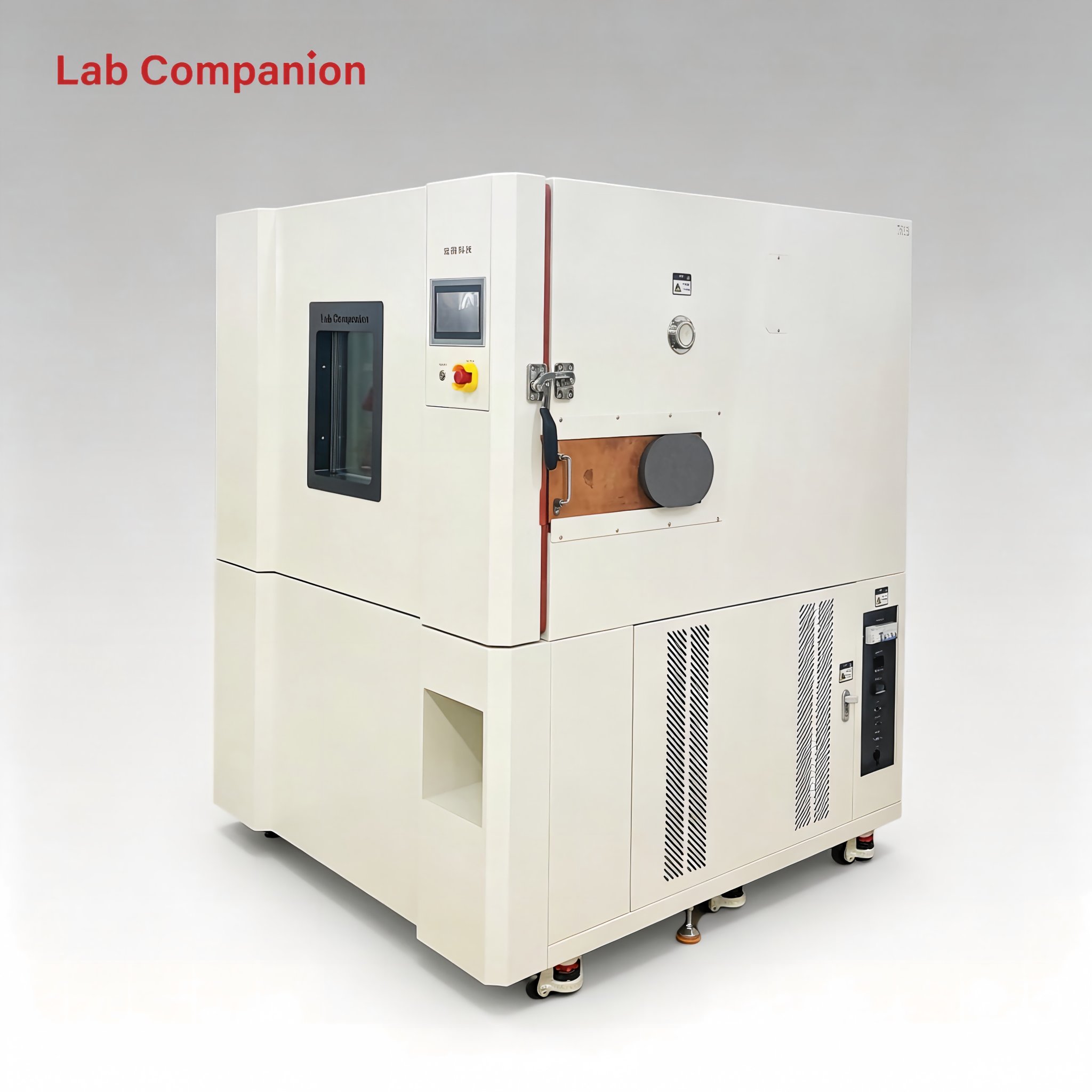
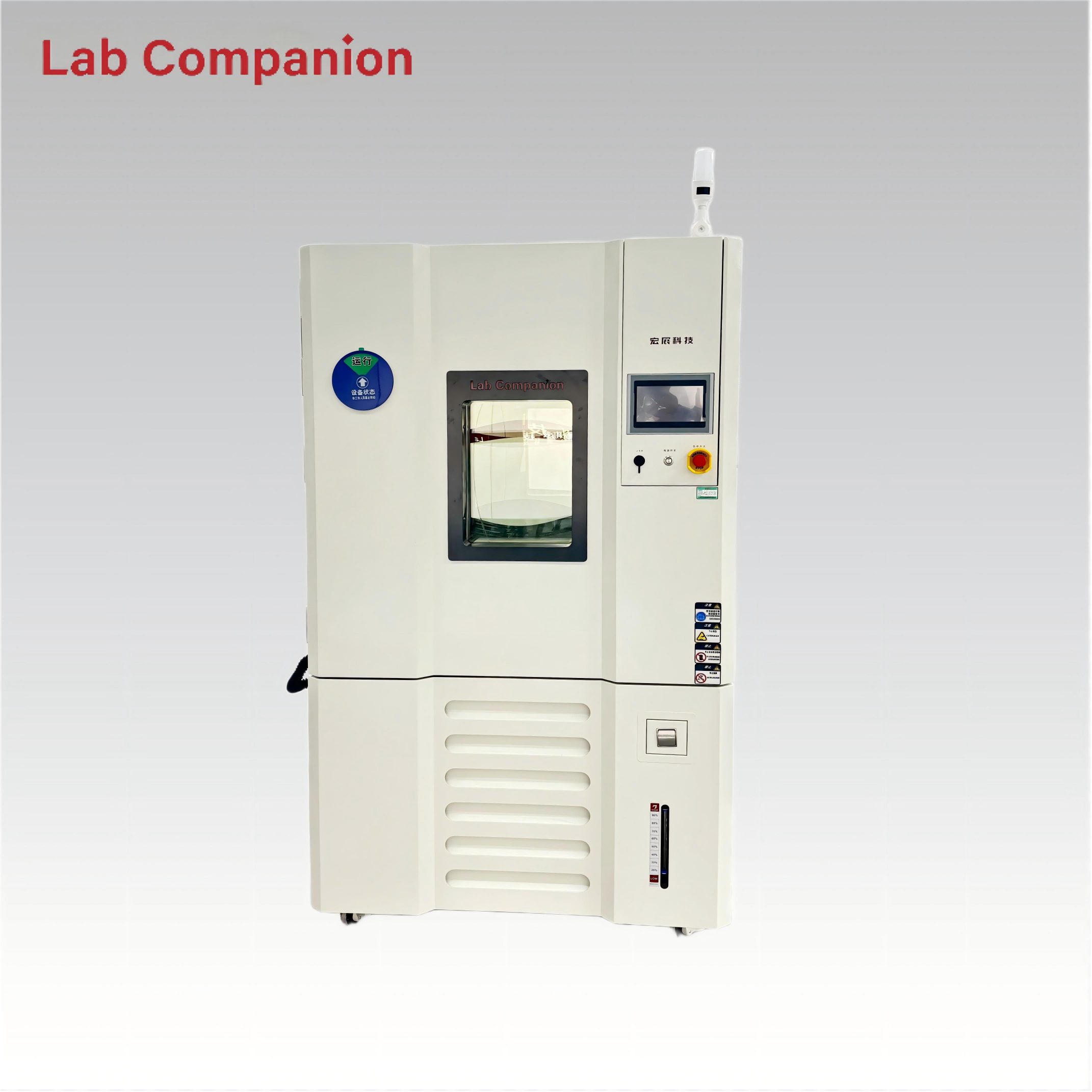
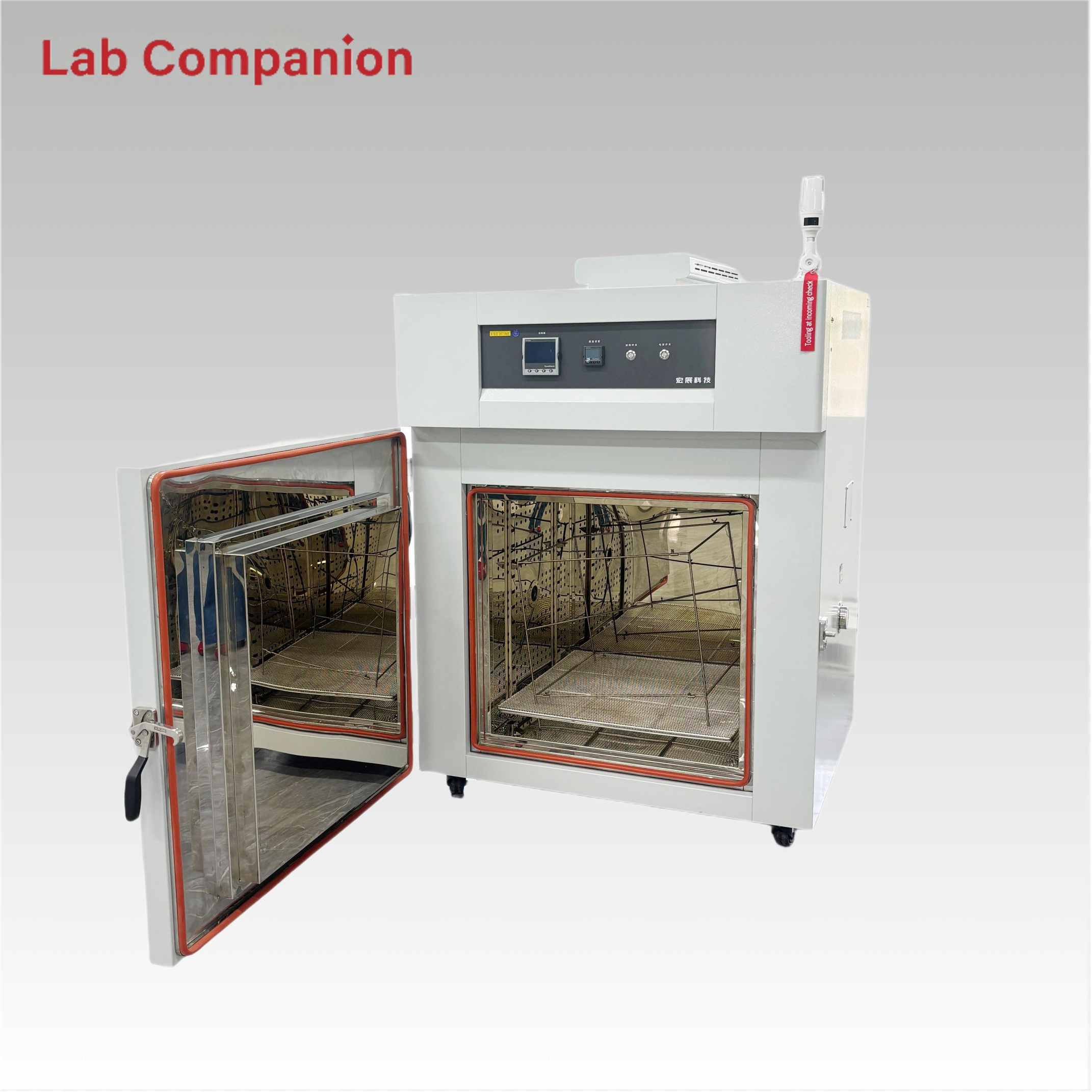
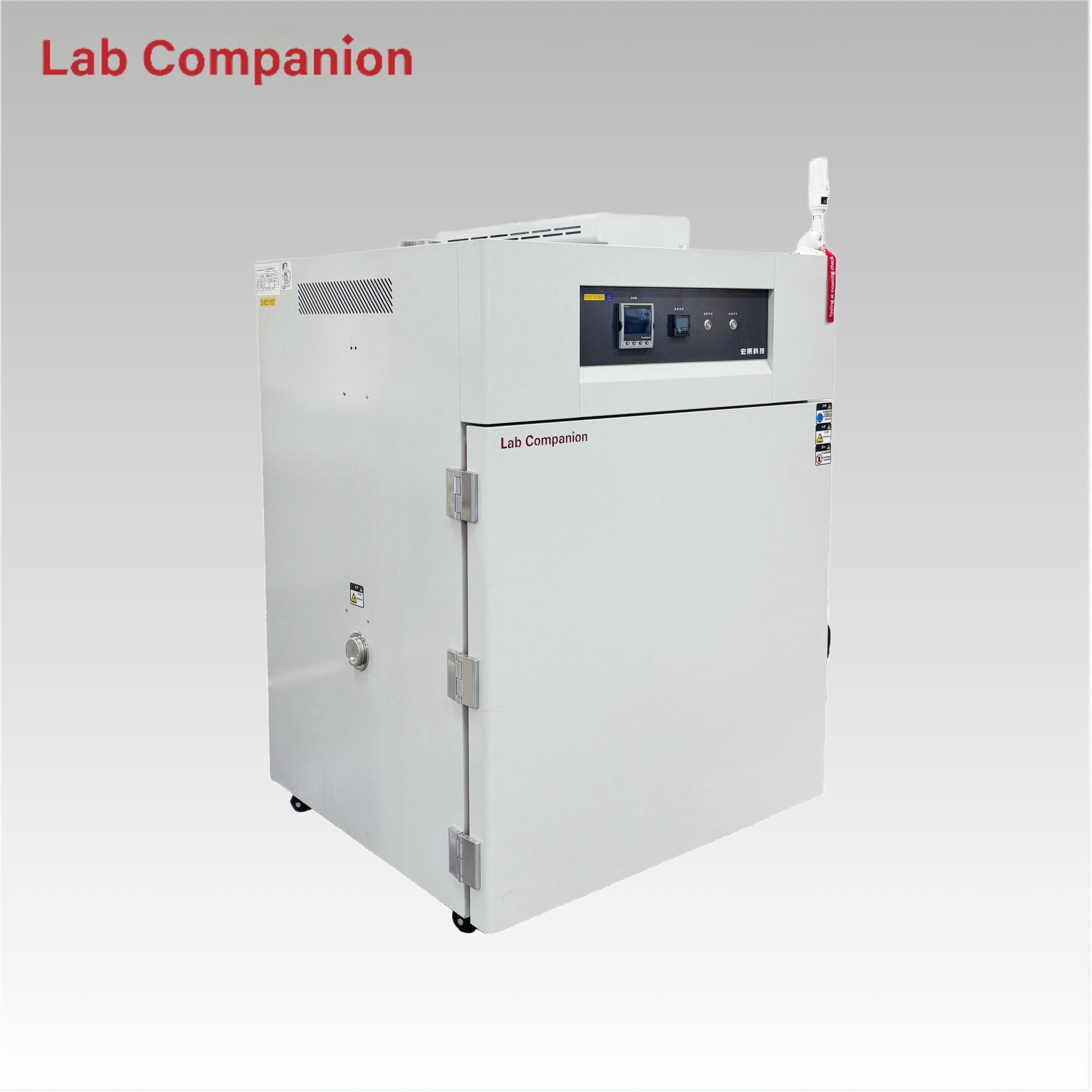
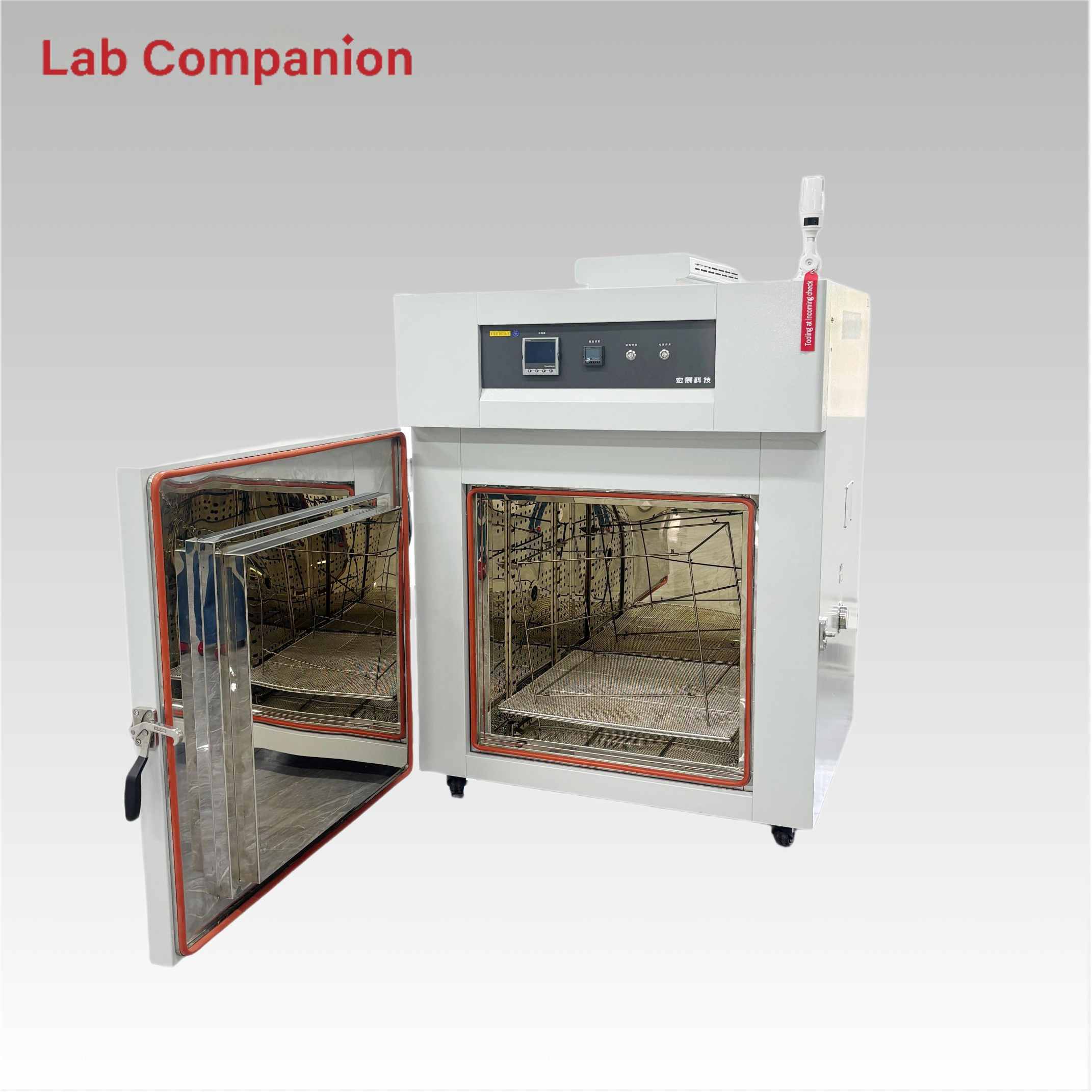
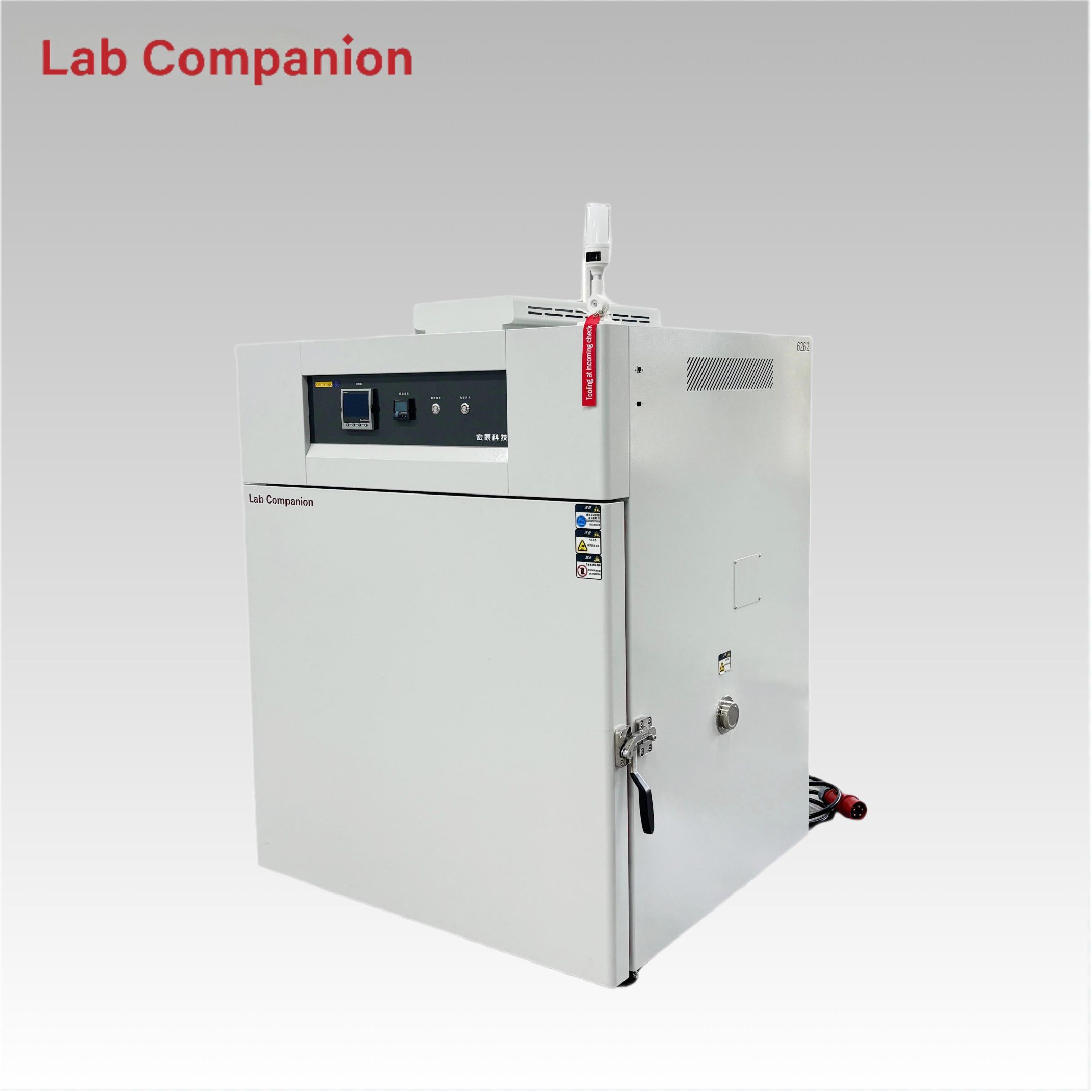
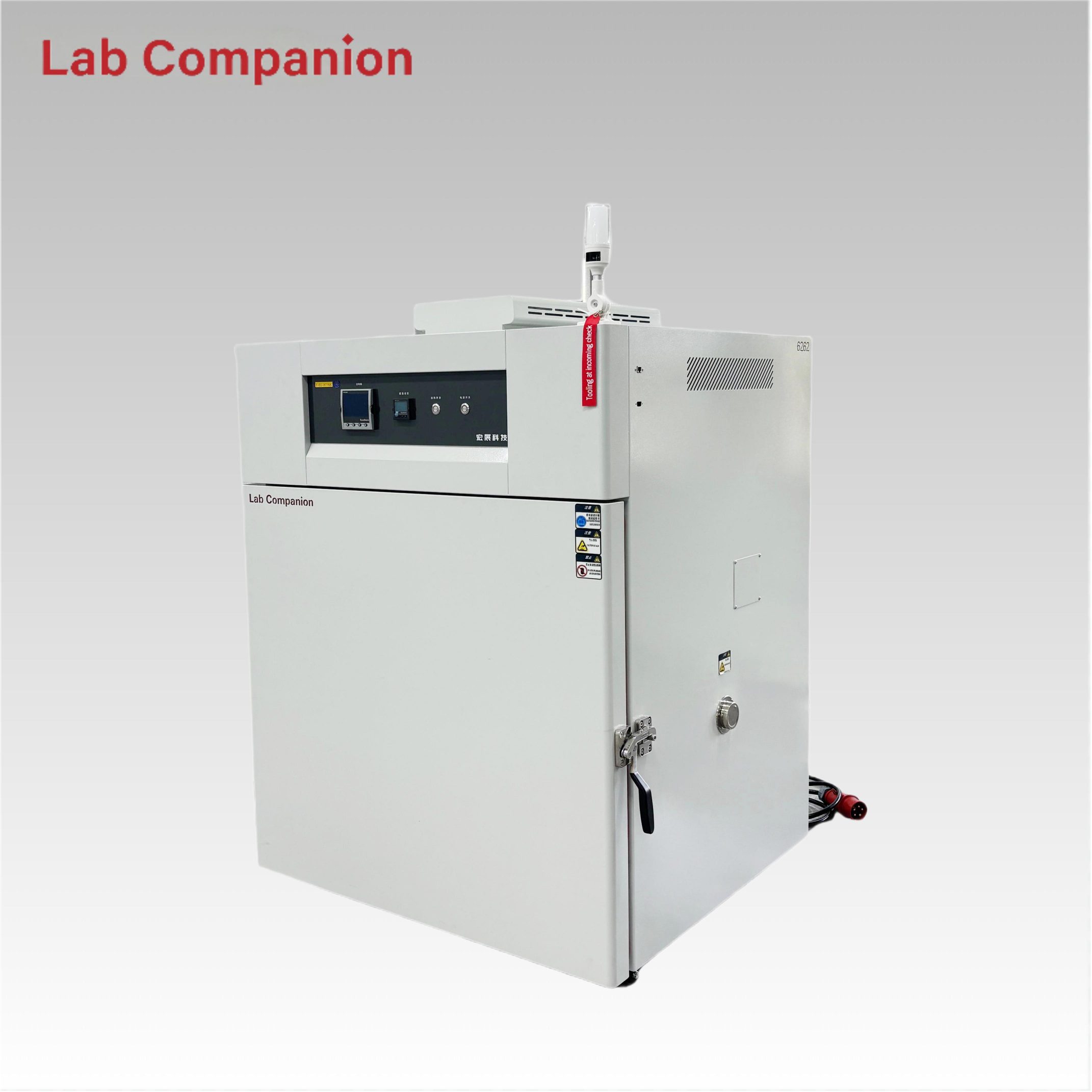
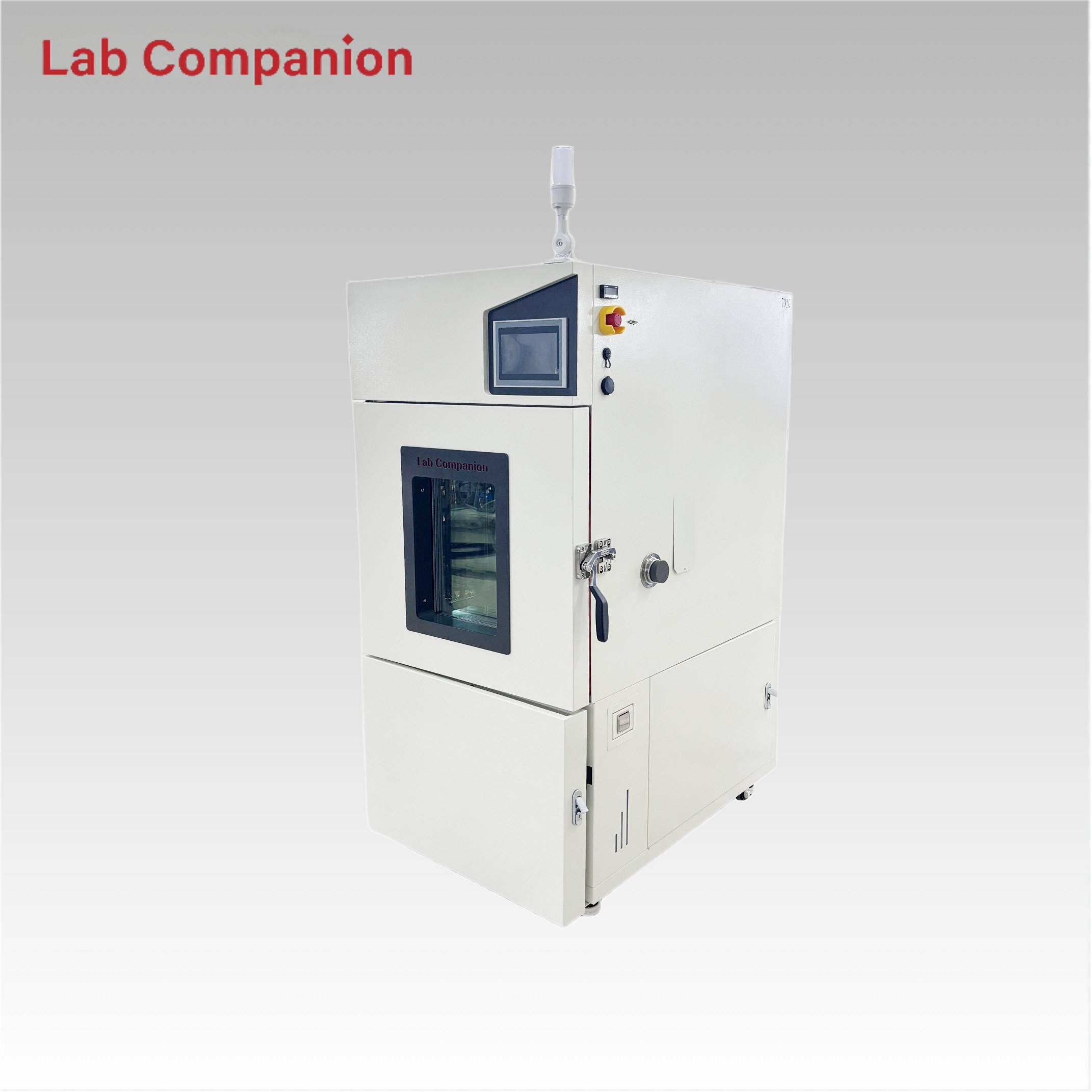
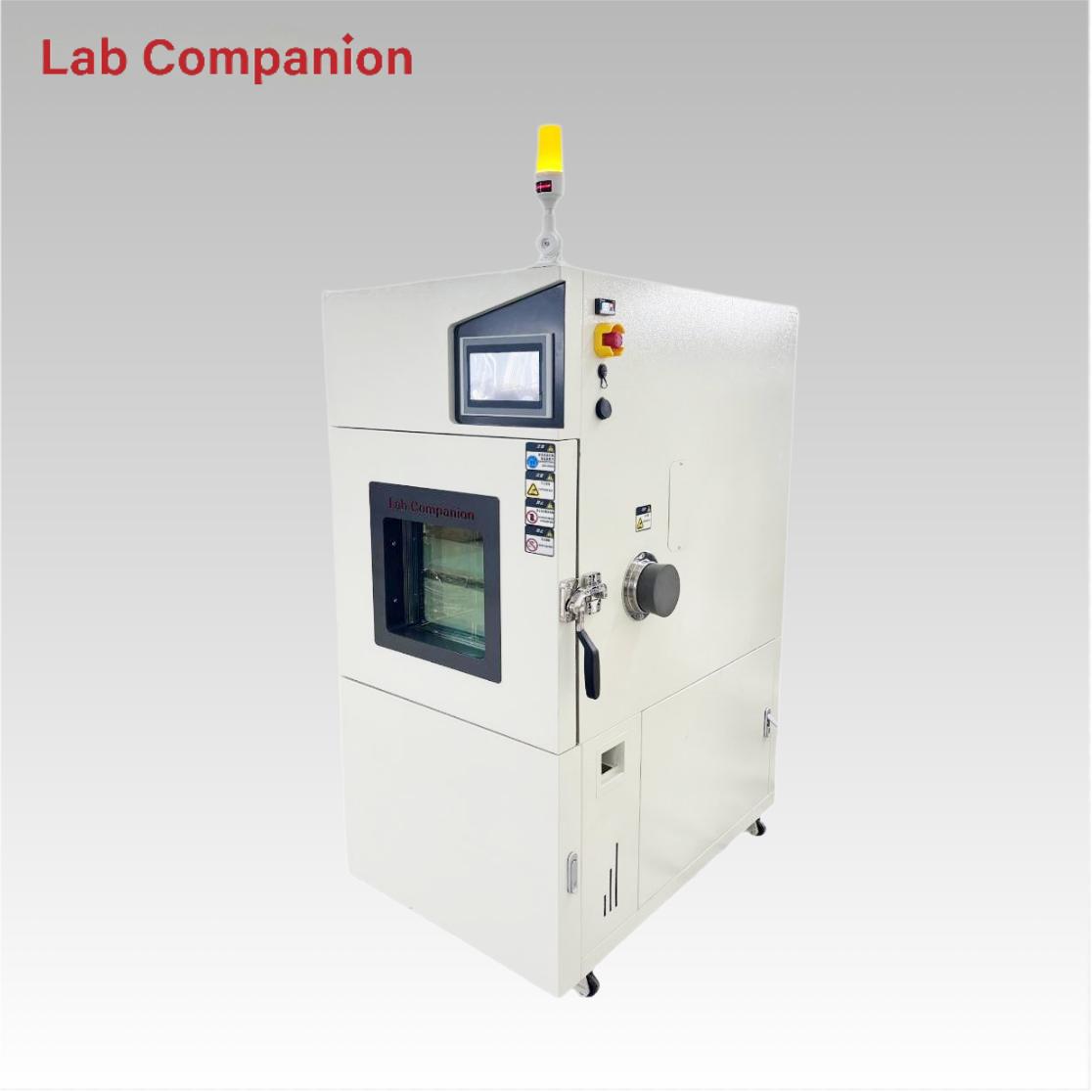
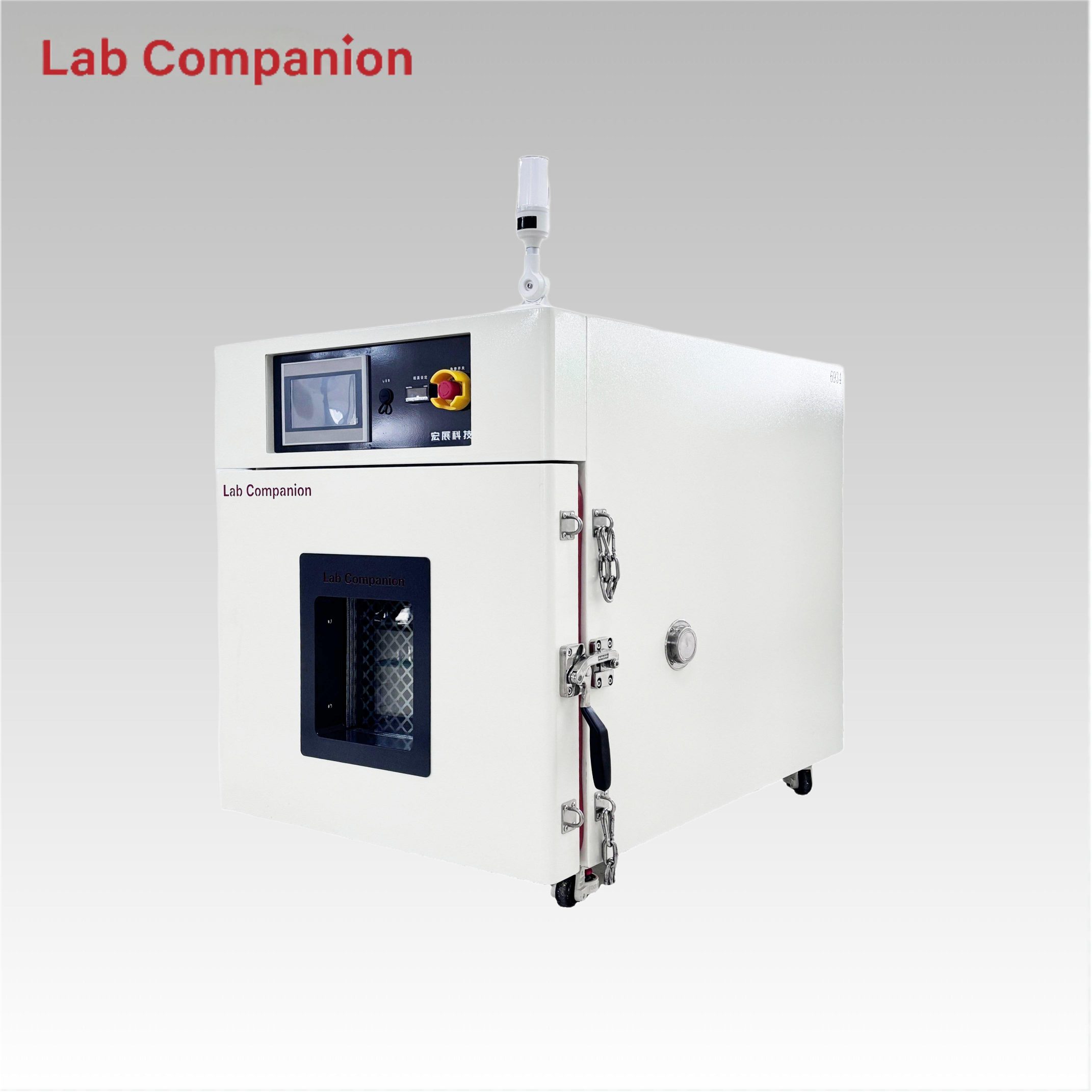
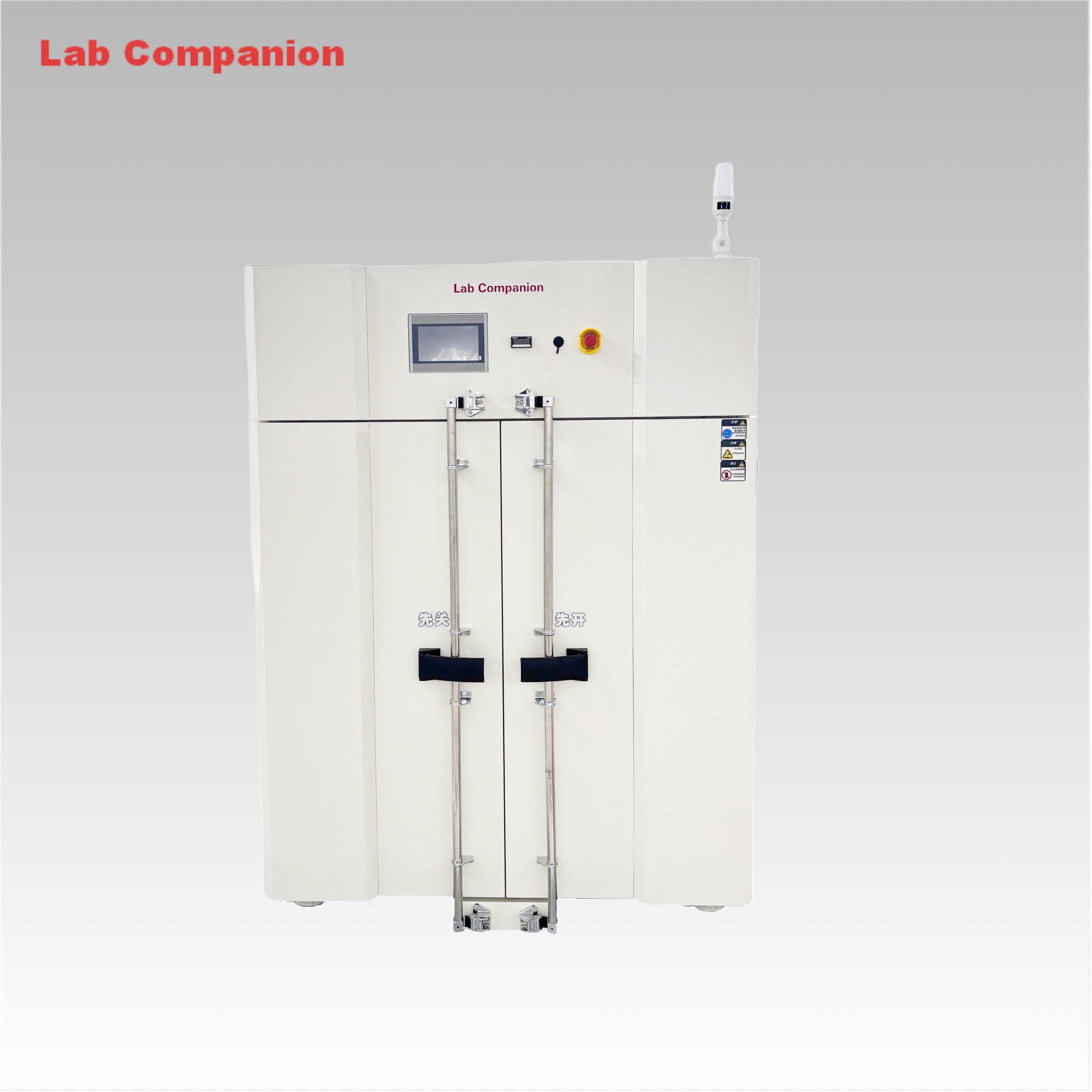


 Obtenez un devis
 Réseau IPv6 pris en charge