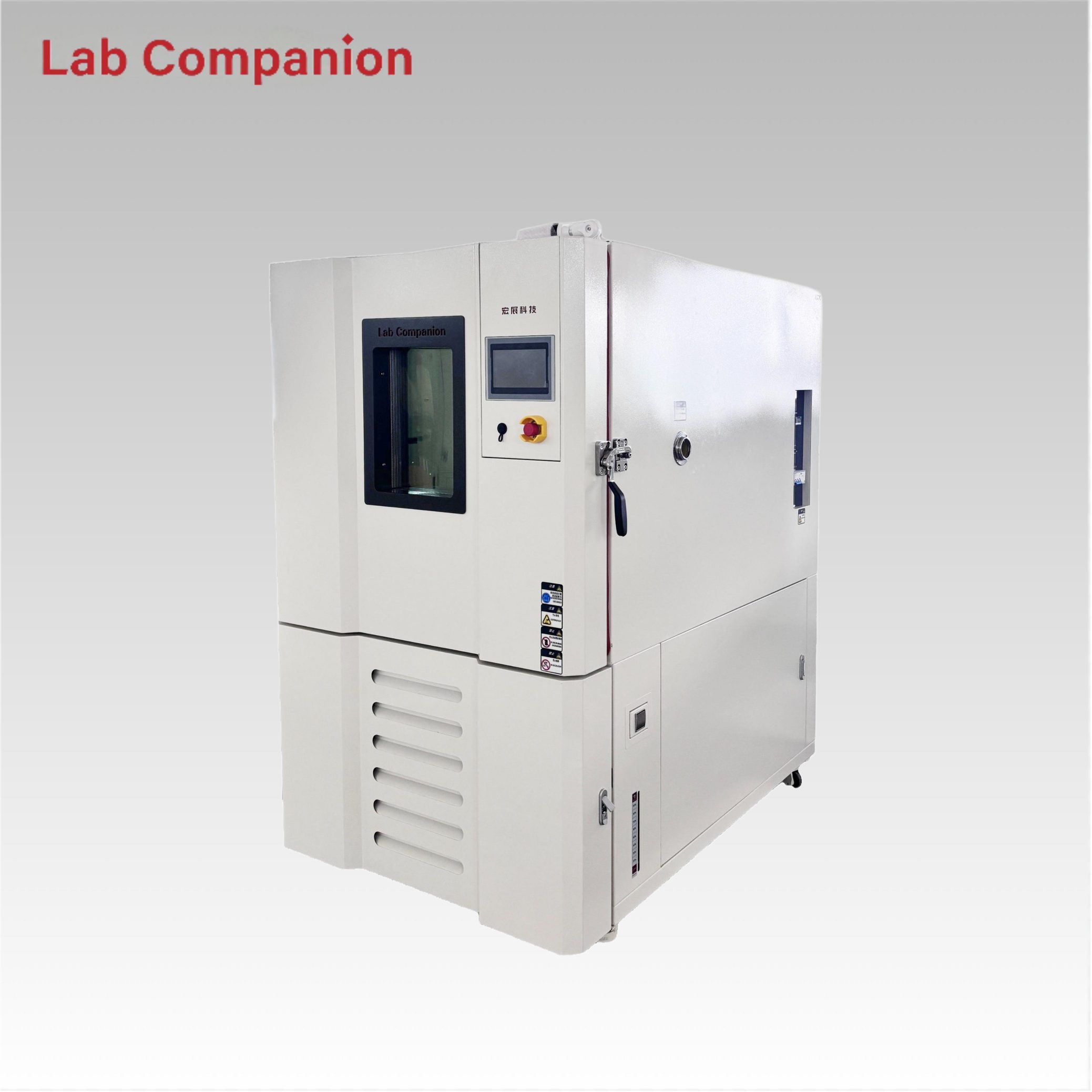
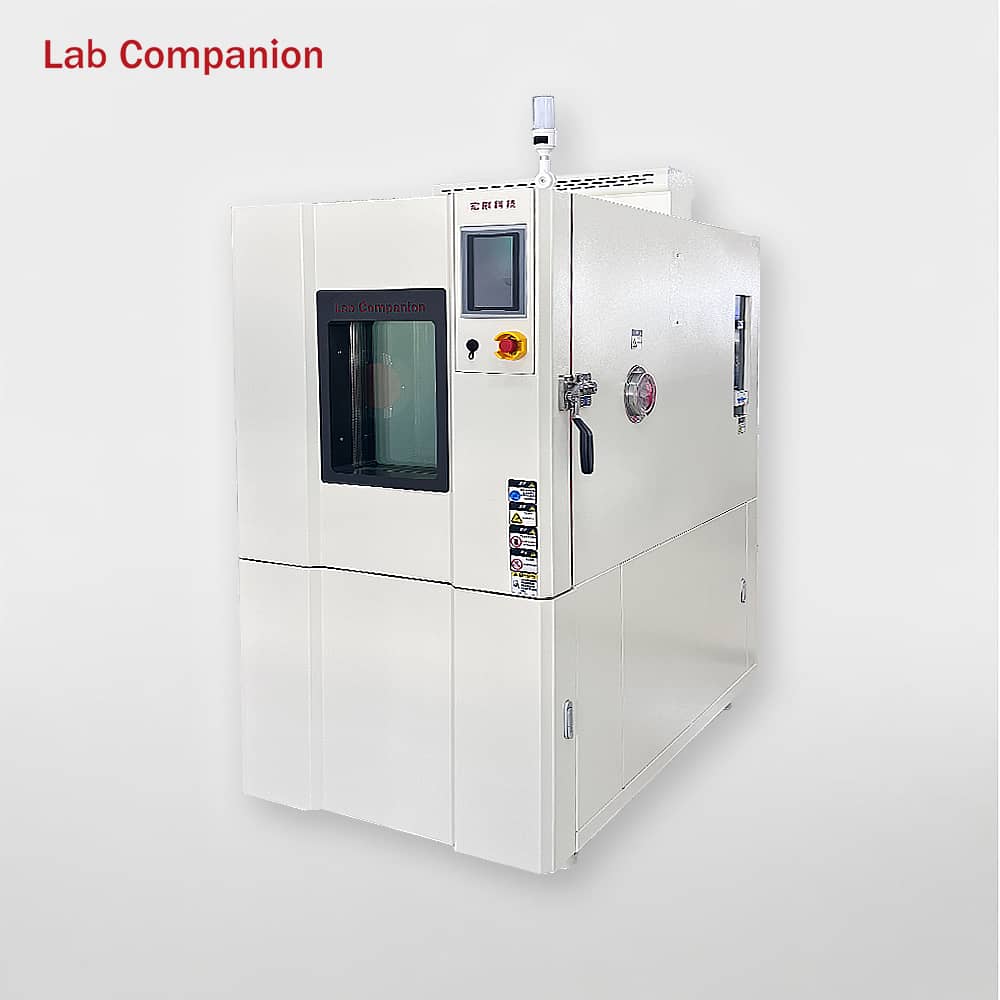
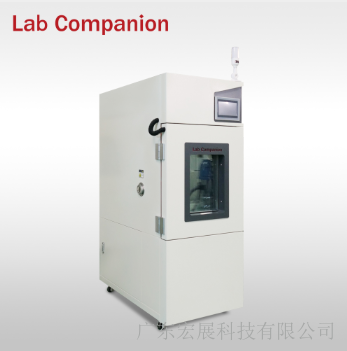
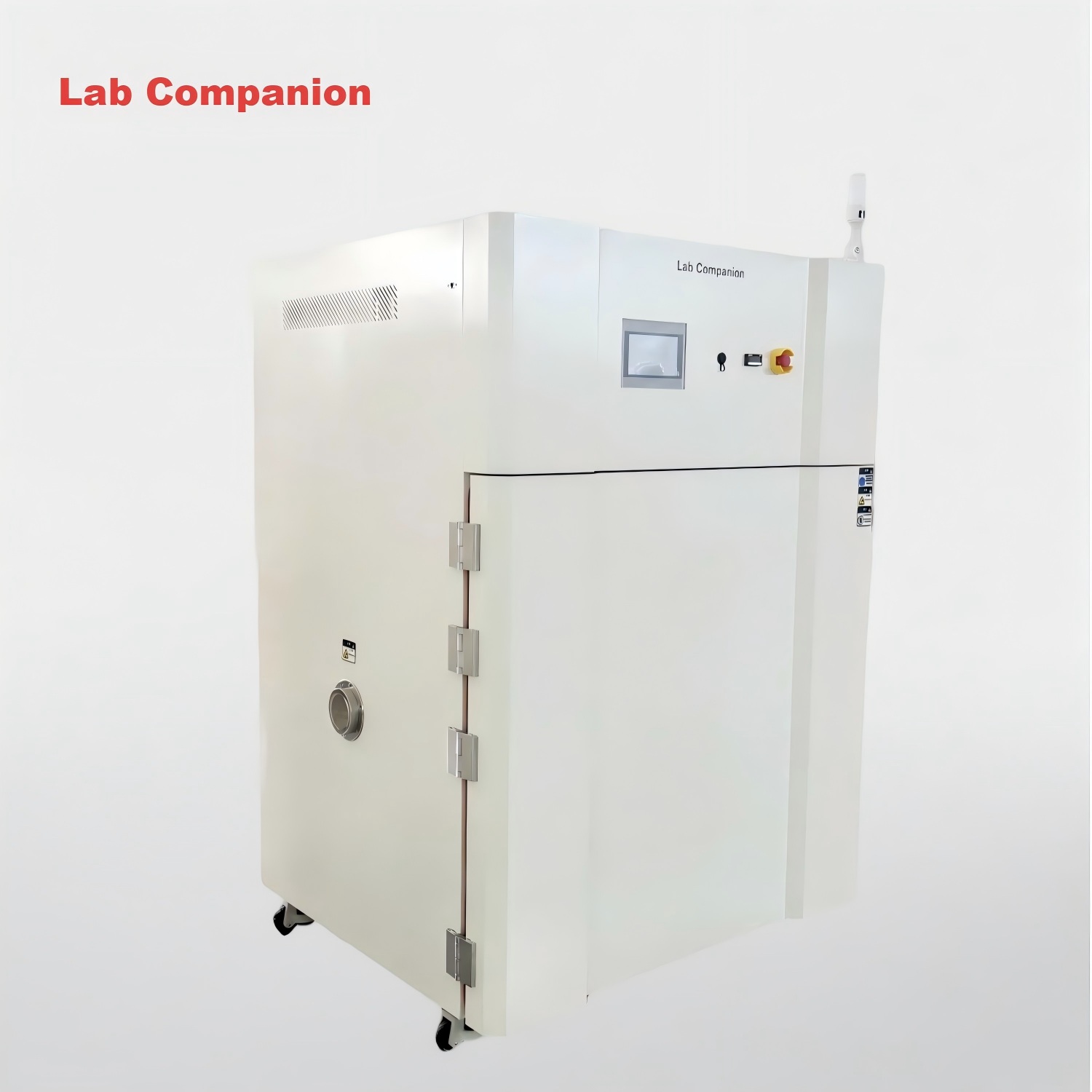
Across electronics, new energy, automotive components, hardware and plastics, aerospace, scientific research and testing, and many other industries, the stability, reliability, and durability of products in complex natural environments such as high temperature, high humidity, and temperature-humidity cycling directly determine product quality, service life, and market reputation. As core equipment for environmental reliability testing, high temperature and humidity test chambers undertake the critical mission of simulating extreme temperature and humidity conditions, identifying product defects in advance, and verifying product compliance. With years of deep cultivation in the environmental test equipment industry, Lab Companion relies on profound technical accumulation, strict production standards, and a comprehensive service system to develop a series of high temperature and humidity test chambers. These products stand out as the preferred choice for quality testing in the industry with their precise temperature and humidity control, stable and durable performance, and strong adaptability, helping thousands of enterprises control product quality and overcome industry testing pain points.
1. Industry Imperative: High Temperature and Humidity Testing, the Touchstone of Product Quality
With the upgrading of the manufacturing industry and the continuous improvement of product quality standards, environmental reliability testing before product delivery has become an essential step. High temperature and humidity environments are common triggers for product aging and failure: electronic components are prone to short circuits, oxidation, and performance degradation under high temperature and humidity; new energy batteries may suffer from seal failure and capacity decline in damp heat conditions; automotive interiors and plastic parts are likely to deform, crack, and fade; scientific research samples and precision instruments are easily damaged and produce data deviations in humid and hot environments.
Traditional simple temperature and humidity testing equipment generally suffers from problems such as asynchronous temperature and humidity control, low control accuracy, poor uniformity, easy condensation, and high failure rates, leading to distorted test data and invalid test results. This not only delays product R&D and launch cycles but also hides potential product quality hazards. Targeting these industry pain points, Lab Companion focuses on core high temperature and humidity testing needs, and its series of test chambers fully comply with national and international testing standards including GB and IEC. They can stably simulate an ultra-wide temperature range of -40°C to 150°C and a full humidity range of 20%RH to 98%RH, perfectly meeting the needs of damp heat aging, temperature-humidity cycling, and constant damp heat testing for various products, providing solid support for product quality control.
2. Core Technical Breakthroughs: Solving Industry Challenges, Achieving Precise Temperature and Humidity Coordination
The core competitiveness of Lab Companion high temperature and humidity test chambers stems from independently developed core control technologies, which completely solve the common industry problems of traditional equipment such as "asynchronous temperature and humidity, inaccurate humidity control, and large local temperature differences", realizing stable, uniform, and precise simulation of high temperature and humidity environments.
2.1 Dual PID Collaborative Control System, Synchronous Temperature and Humidity Without Lag
The equipment is equipped with Lab Companion's independently developed C100 intelligent controller, paired with a patented dual PID temperature and humidity collaborative control system and fuzzy logic algorithm. Abandoning the traditional separate control design, it realizes linkage regulation and real-time compensation of the four modules: heating, refrigeration, humidification, and dehumidification. Temperature and humidity parameters rise, fall, and stabilize synchronously with a response time of ≤30 seconds, completely eliminating the problems of humidity lag during heating and sudden humidity drop during cooling in traditional equipment. The temperature control accuracy reaches ±0.3°C, and humidity control accuracy reaches ±2%RH, with temperature and humidity fluctuations far better than industry standards, ensuring the test environment is highly consistent with real extreme scenarios and test data is accurate and reliable.
2.2 Triple Anti-Condensation Technology, Protecting Test Samples Safely
To address the common issues of chamber condensation and water dripping that damage samples during high temperature and humidity testing, Lab Companion has innovatively created a triple anti-ondensation system: preheating air duct + exclusive hydrophobic coating + balanced air circulation. Anti-condensation coatings are sprayed on key parts such as the inner tank and chamber door, and the optimized air duct design ensures uniform air distribution, with no condensation or water accumulation throughout the test. This avoids damage to precision samples caused by condensation, making it especially suitable for testing humidity-sensitive samples such as electronic chips, precision components, and new energy materials.
2.3 High-Efficiency Air Duct Design, Maximizing Temperature and Humidity Uniformity
Adopting a vortex guide air duct paired with a high-wind-speed centrifugal fan, the air circulation frequency inside the chamber reaches 50 times per minute. Combined with a honeycomb air diffusion structure, it eliminates local temperature and humidity dead corners. Under no-load conditions, the temperature field uniformity is ≤±1.5°C, and humidity field uniformity is ≤±3%RH, ensuring consistent temperature and humidity parameters in every test area inside the chamber. Regardless of sample size or placement position, a uniform test environment is guaranteed, ensuring consistent results for batch testing.
3. Robust Hardware Configuration: Full-Line SUS316 Stainless Steel, Upgraded Durability
Lab Companion always adheres to the principle of "quality first". All high temperature and humidity test chambers are equipped with world-renowned brand core components and high-quality materials, balancing durability, stability, and energy efficiency. Core materials are fully upgraded to SUS316 stainless steel, with performance far exceeding conventional standards, meeting the long-term, high-frequency, and high-intensity testing needs of laboratories and production workshops.
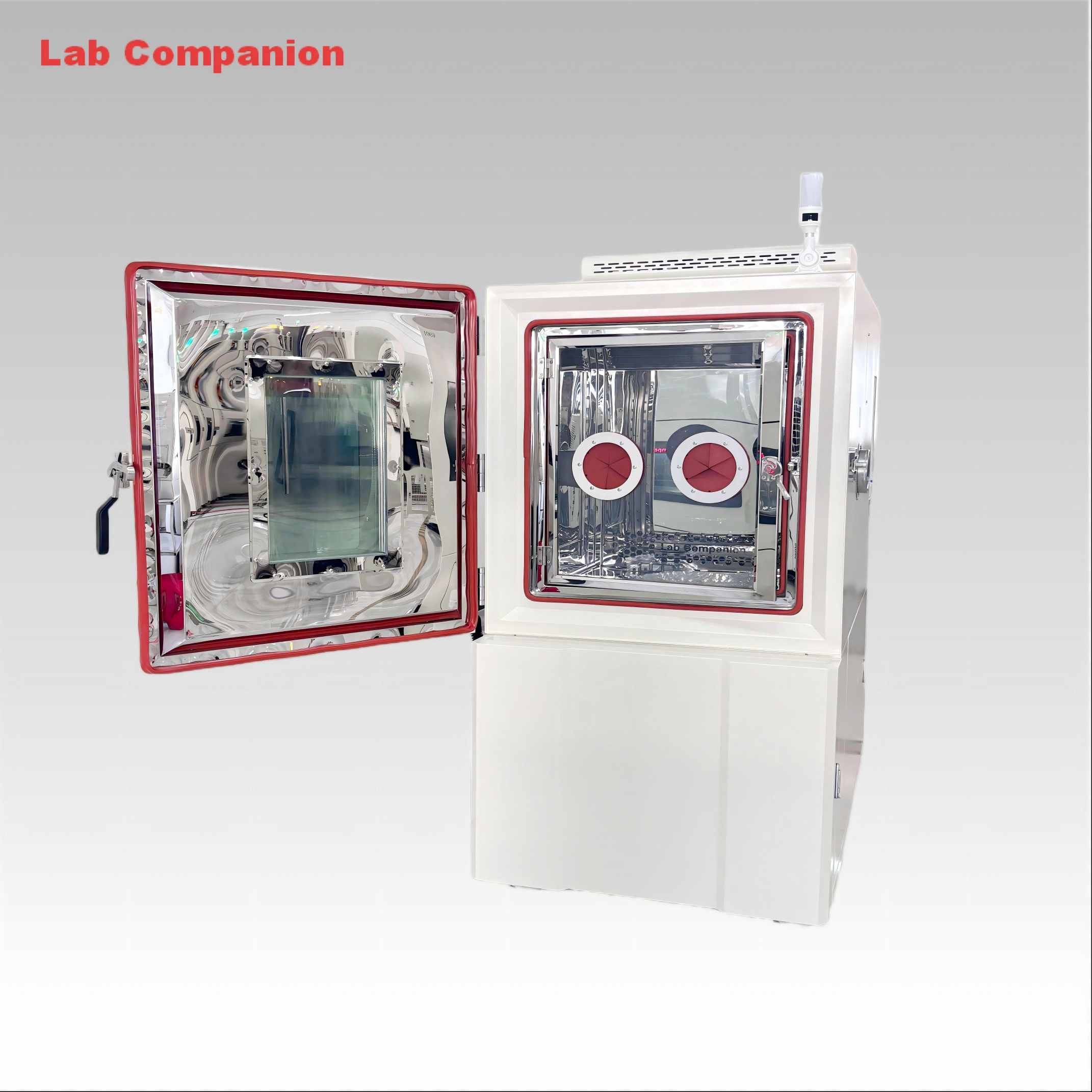
• SUS316 Stainless Steel Inner Tank and Chamber Structure The inner tank is made of SUS316 stainless steel, a high-end corrosion-resistant stainless steel with added molybdenum element and higher chromium and nickel content compared to conventional 304 stainless steel. Its high temperature resistance, high humidity resistance, and acid and alkali corrosion resistance are significantly improved. It is particularly suitable for long-term high temperature and humidity testing environments with trace corrosive media, not easy to rust or corrode by water vapor, with a smooth and easy-to-clean inner wall and no residual stains. Its service life far exceeds that of ordinary stainless steel inner tanks, maintaining intact condition after long-term operation. The outer shell of the chamber is made of high-quality steel plate with plastic spraying, sturdy and wear-resistant, with a simple and elegant appearance, stable overall structure, no shaking and low noise during operation, adapting to multiple application scenarios in laboratories and production workshops.
• SUS316 Stainless Steel Grating Sample Rack, Flexible and Secure The matching grating sample rack is also made of SUS316 stainless steel, achieving high-standard matching from material to details, completely eliminating the risk of corrosion and oxidation caused by contact between different materials. The sample rack supports free height adjustment, allowing flexible adjustment of placement space according to sample size and stacking requirements. Whether it is small test pieces, medium-sized components, or large equipment, the test position can be accurately positioned to make full use of the effective space inside the chamber. Each rack has a load capacity of up to 20kg, stably carrying various samples to ensure sample stability and fixed position during testing, guaranteeing the accuracy and reliability of test data.
• High-Performance Refrigeration and Humidification System The refrigeration system selects imported brand compressors such as German Bitzer and American Copeland, paired with environmentally friendly refrigerants, featuring high refrigeration efficiency, low energy consumption, and stable operation, with trouble-free operation under low temperature working conditions. The humidification system adopts integrated boiler steam humidification, with uniform humidification and fast response, paired with a water recovery and filtration device to greatly reduce water consumption, extend the service life of humidifying components, and reduce operation and maintenance costs.
• Full-Size Volume Options, Customized Adaptation Standard volume models are available including 36L, 64L, 80L, 150L, 408L, and up to 1000L, and customized non-standard sizes and walk-in high temperature and humidity rooms are also supported. Whether it is small precision components and test pieces, medium-sized assemblies, large automotive parts, battery packs, or complete equipment, the test space needs can be accurately matched, perfectly adapting to the diverse testing scenarios of enterprises of different scales, R&D laboratories, and quality inspection centers, avoiding space waste and testing limitations.
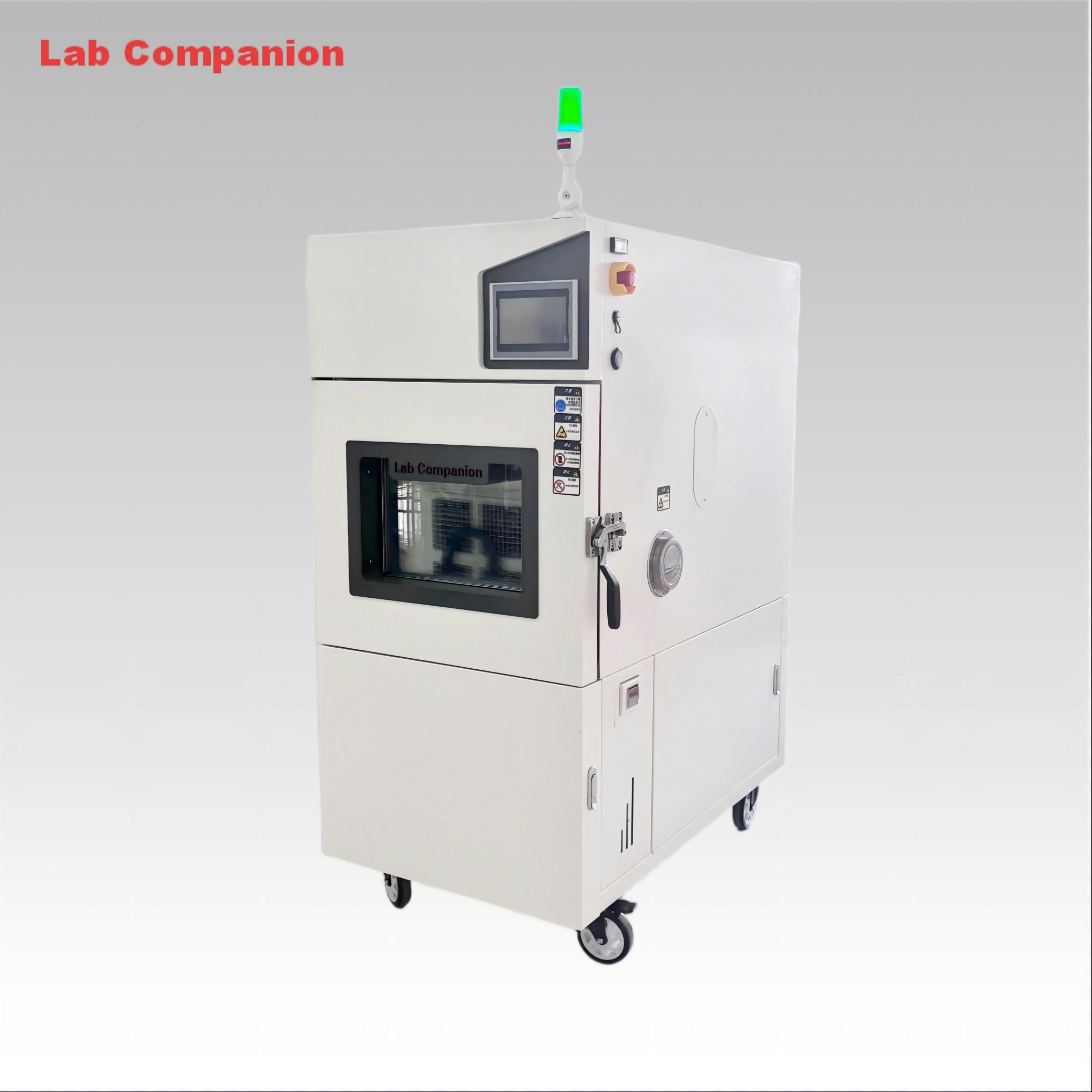
• User-Friendly Operation Design Equipped with a large-size high-definition touch screen andChinese-English bilingual menu, it is simple and easy to operate, supporting program editing, cycle testing, timed start, data recording, fault alarm and other functions. The chamber door is equipped with a large-view observation window and built-in lighting, allowing real-time observation of sample testing status without opening the door. Paired with the height-adjustable SUS316 stainless steel sample rack, it achieves an efficient testing experience of "precise placement + real-time observation".
4. Comprehensive Safety Protection + Full-Cycle Service, Worry-Free Use
As one of the first enterprises in China to obtain CE certification for environmental test equipment, Lab Companion has built a comprehensive safety protection system for its high temperature and humidity test chambers, equipped with more than ten safety devices including compressor overpressure/overcurrent/overheating protection, heater overload protection, water shortage protection, leakage protection, over-temperature protection, and phase sequence protection. The equipment automatically alarms and shuts down in case of abnormalities, fully protecting the safe operation of the equipment and the personal safety of operators.
At the same time, Lab Companion has built a nationwide after-sales service network, with sales and after-sales service centers set up in Beijing, Shanghai, Chongqing, Chengdu, Wuhan, Xi'an and other major cities. It provides full-cycle services including equipment installation and commissioning, operation training, regular maintenance, fault repair, and parts replacement, with timely and efficient response, completely eliminating users' after-sales concerns. The company has passed ISO9001 quality management system certification and ISO14000 environmental management system certification. Each equipment undergoes strict performance testing and trouble-free trial operation before delivery, ensuring stable use upon arrival. Some models have even won customer recognition for continuous use for twenty years.
5. Diverse Application Scenarios, Covering Full Industry Testing Needs
With excellent performance and wide adaptability, Lab Companion high temperature and humidity test chambers are widely used in electronics, new energy, automotive manufacturing, hardware and plastics, aerospace, scientific research institutions, quality inspection centers and other fields. They have become long-term cooperative equipment for leading enterprises such as Huawei and BYD, as well as various scientific research and testing institutions. They can perfectly implement domestic and international standard tests such as GB/T 2423.3 and IEC 60068-2-78, helping products pass quality certification and enhance market competitiveness.
• Electronics Industry: Damp heat aging and reliability testing of PCBs, chips, connectors, and sensors;
• New Energy Industry: Temperature-humidity cycling and sealing performance testing of lithium batteries, energy storage modules, and photovoltaic components;
• Automotive Industry: High and low temperature damp heat cycling testing of interior parts, dashboards, chassis components, and automotive electronics;
• Materials Industry: Damp heat aging and weather resistance testing of plastics, rubber, coatings, and metal materials;
• Scientific Research and Testing: Environmental simulation experiments and sample performance testing in university laboratories and quality inspection institutions.
6. Conclusion: Empowering Quality Upgrading in Manufacturing with Professional Technology
From core technology R&D to full-line SUS316 stainless steel material upgrade, from height-adjustable high-precision sample rack design to full-cycle after-sales service, Lab Companion has always focused on the environmental test equipment industry, crafting high-quality high temperature and humidity test chambers with ingenuity. With precise, stable, and reliable performance, it safeguards product quality control for enterprises. Facing the new requirements of high-quality development in the manufacturing industry, Lab Companion will continue to focus on technological innovation, continuously optimize product performance, help various industries break through environmental testing bottlenecks, enhance core product competitiveness, and become a trusted partner for environmental test equipment.
The three core functions of high-low temperature test chambers—constant temperature, high-low temperature cycling, and programmable operation—extensively cover environmental reliability testing requirements across industries including electronics, automotive, military, photovoltaic, and more.
As a high-tech enterprise with over 20 years of expertise in environmental reliability testing equipment, Lab Companion specializes in the R&D and manufacturing of environmental test equipment. Its products feature precise temperature control and customizable capabilities to adapt to diverse industry applications.
Understanding the core operation, practical techniques, and selection logic of each function enables precise matching to different test scenarios, effectively improving test efficiency and data reliability. Based on Lab Companion’s mature product technologies and industry practical experience, we provide the following concise professional guide.
1. Constant Temperature Test: Basic Temperature Resistance Verification
Core Purpose
Used for long-term performance testing of products under a single extreme temperature condition. It is the most common basic test mode for mass quality inspection and preliminary R&D, with easy operation and strong versatility.
Typical Applications
- High-temperature aging test of semiconductor components at 85°C- Low-temperature embrittlement verification of automotive rubber seals at -40°C- Constant-temperature storage stability testing of in vitro diagnostic reagents for medical devices at 50°C
Key Operational Points
- Prioritize models with temperature fluctuation ≤ ±0.5°C and uniformity ≤ ±2°C; high-precision versions achieve ±0.1–±0.3°C.- Standardized sample placement: sample volume ≤ 1/3 of working chamber volume, distance from chamber walls ≥ 5 cm to avoid blocking air ducts and compromising temperature uniformity.
Product Features (Lab Companion)
- Inner chamber made of SUS304 mirror-finish stainless steel for corrosion resistance and easy cleaning.- High-density polyurethane foam insulation and high-strength heat-resistant silicone gaskets minimize heat exchange and enhance temperature stability.- Custom ultra-low temperature models below -100°C available for military applications, fully compliant with GJB military standards.
2. High-Low Temperature Cycling Test: Thermal Cycling Reliability Testing
Core Purpose
Simulates temperature alternating environments such as day-night temperature differences, regional transportation, and seasonal changes encountered in real-world use. It rigorously verifies structural strength and performance stability, with stricter evaluation than constant temperature testing.
Typical Applications
- Thermal cycling test of new energy vehicle power batteries from -30°C to 85°C (simulating winter-summer conditions)- High-low temperature cycling verification of photovoltaic modules- Wide-temperature-range alternating performance testing of aerospace composite materials
Key Operational Points
- Standard models: heating rate up to 5°C/min, cooling rate up to 3°C/min.- High-performance models: two-stage compression refrigeration + eco-friendly refrigerant, stable temperature change rate up to 20°C/min, greatly shortening test cycles.- Enable PID auto-tuning to limit temperature overshoot within 0.8°C for accurate data.
Product Features (Lab Companion)
- Equipped with Balanced Temperature Control (BTHC) system for precise execution of preset cycling programs, preventing damage from sudden temperature changes.- Full-capillary automatic load adjustment system delivers higher accuracy and stability than conventional expansion valves, while reducing energy consumption by more than 30%.
3. Programmable Test: Automated Simulation of Complex Working Conditions
Core Purpose
Supports multi-segment linked programming of temperature and time parameters, enabling fully automatic operation of complex test sequences without manual supervision. Ideal for customized R&D testing and standardized quality inspection.
Typical Applications
- Multi-region temperature environment simulation for 5G base station PCBs- 1000-hour long-term cyclic aging testing of electronic components- Multi-temperature gradient verification for military-grade products
Key Operational Points
- Select models supporting at least 100 program groups (expandable to 200), with up to 99 segments per program.- Set segmented PID parameters according to thermal inertia differences between high and low temperature ranges for improved full-range accuracy.
Product Features (Lab Companion)
- Siemens PLC control + 7-inch color touchscreen for intuitive and stable operation.- AI adaptive algorithm ensures test data repeatability up to 99.5%.- Supports USB, RS485, and Ethernet communication for remote monitoring and real-time data export.- Automatically generates GLP-compliant test reports; power-off memory function resumes testing automatically after power restoration to prevent data loss.
4. Selection & Operation Guidelines
1. Selection Logic
- Basic quality inspection: Choose constant temperature models for optimal cost-effectiveness.- Product reliability validation: Select cycling models; fast temperature change versions recommended for new energy and automotive industries.- R&D or complex conditions: Choose programmable models.- Military & aerospace: Custom options available for low pressure, explosion-proof, and other non-standard functions.
2. Safety & Maintenance
- Equipment must include multiple protections: over-temperature, overload, compressor overheating, etc.- Regularly clean air ducts, inspect door gaskets, and calibrate temperature sensors every 3–6 months to extend service life and maintain accuracy.
3. Customization Options
Optional accessories available based on industry needs: test ports, data loggers, explosion-proof chambers, water purification systems, etc., to meet special testing requirements in medical, chemical, military, and other fields.
Conclusion
The three core functions of high-low temperature test chambers provide complete testing coverage from basic verification to high-precision simulation. By selecting the appropriate function based on product characteristics, industry standards, and test requirements—paired with equipment featuring precise temperature control, stable performance, and customization—along with standardized operation and maintenance, users can maximize equipment value and provide reliable assurance for product quality.
In environmental simulation testing, high-speed temperature control equipment is essential for verifying product reliability under extreme temperature variations. Guangdong Labcompanion Technology’s fast temperature change test chamber and thermal shock test chamber, both featuring high-speed temperature control, serve aerospace, military electronics, automotive new energy and other stringent industries. Though similar in core function, they have distinct principles and applicable scenarios.
Common Features
Both chambers are engineered to simulate extreme temperature fluctuations, supporting R&D and military testing. They meet international and domestic standards including GJB, MIL-STD, IEC. Fitted with Labcompanion’s intelligent control system, they enable curve programming, data export and remote monitoring. Built with robust structures and high-efficiency heating/cooling systems, some models adopt eco-friendly R404A refrigerant.
Core Differences
Item
Fast Temperature Change Test Chamber
Thermal Shock Test Chamber
Working Principle
Single-chamber, continuous & smooth gradual temperature change
Two/three-zone switching, instantaneous shock via rapid sample transfer
Key Parameters
Adjustable rate: 5–20℃/min; Temp range: -70℃–180℃; Supports humidity control
Temperature difference >150℃; Sample transfer time ≤10s; Fixed shock mode
Application Scenarios
Gradual temperature change tests for new energy batteries, automotive electronics, consumer electronics
Instant temperature shock tests for aerospace components, military equipment, automotive glass
Applicable Standards
IEC 60068-2-38, GB/T 2423.22
IEC 60068-2-14, MIL-STD-810H
Selection Recommendations
No absolute superiority exists between the two models. Select the fast temperature change chamber for gradual, adjustable temperature change tests, which offers higher cost-effectiveness for mass R&D and testing. Choose the thermal shock chamber for instantaneous extreme temperature shock tests in aerospace and military fields, with higher budget for operation and maintenance. Selection should be based on test standards, sample characteristics and budget.
Temperature cycling test chambers are core equipment for product reliability verification, with adaptability directly affecting product performance and service life. Industry-specific application scenarios and testing standards vary greatly, making standard equipment unable to meet refined needs. With 20 years of industry expertise, LABCOMPANION has developed customized temperature cycling test solutions targeting pain points in three core sectors—automotive components, medical devices, electronic & electrical products—relying on precise temperature control technology to become a trusted partner for enterprises.
I. Automotive Components Industry: Solving Outdoor Condition Simulation & Batch Testing Issues
Automotive components must withstand extreme outdoor temperature and humidity, with the weather resistance of sensors, connectors and other core parts critical to driving safety. Key pain points: insufficient temperature range of standard equipment for simulating full working conditions (-30℃ cold start, 70℃ high-temperature exposure); low batch testing efficiency causing production bottlenecks; strict industry standards requiring traceable, repeatable test data.
LABCOMPANION’s customized rapid temperature cycling test chambers offer targeted solutions: -40℃~85℃ temperature range for full-scenario testing, ±0.3℃ control accuracy and ≤±0.5℃ fluctuation to ensure uniform temperature field; programmable LED controller supporting over 200 preset programs to boost batch efficiency; intelligent data acquisition system for real-time recording and compliant report generation, meeting quality traceability needs. This solution serves leading automotive component enterprises, testing brake system sensors and control modules to identify potential defects, ensuring stable operation under harsh conditions and compliance with industry standards.
II. Medical Device Industry: Adapting to Sterility & Precision Temperature Control for Compliance Testing
Medical devices are directly linked to patient safety, requiring reliability testing to balance precision temperature control and sterile cleanliness. Core pain points: precise temperature control for drying syringes, catheters and other consumables to avoid material damage; high-humidity simulation for monitors in hospital environments; compliance with ISO 13485 and other standards for market access.
LABCOMPANION provides an integrated solution of temperature-humidity chambers and precision ovens. Precision ovens with 304 stainless steel sealed inner chambers offer ±0.3℃ accuracy, 60℃-120℃ drying range to protect consumables; temperature-humidity chambers simulate 55℃+95%RH environment, with CE and ISO9001 certifications for data compliance; customizable large-capacity chambers support full-scale testing of large medical devices. Widely used in manufacturing and pharmaceutical distribution, it ensures sterility and compliance in production, and verifies cold chain packaging reliability in distribution.
III. Electronic & Electrical Industry: Addressing High-Precision Aging Testing for PCBs & Components
The service life of electronic & electrical products (PCBs, capacitors, resistors) depends on thermal stability. Key pain points: precise temperature control for PCB drying to remove solder paste moisture and prevent cold soldering; uniform temperature field for component high-temperature aging; adjustable multi-temperature zones for research to ensure data repeatability.
LABCOMPANION’s combined solution of precision ovens and temperature cycling chambers meets diverse needs: precision ovens with convection heating system (≤2℃ uniformity, ±0.3℃ accuracy) for 100℃ PCB drying; temperature cycling chambers (-40℃~85℃) with programmable cycles for component aging; research-grade equipment (40℃-200℃, 98% data repeatability) for academic institutions. It reduces cold soldering rates in production and supports electronic material research in academia.
IV. Full-Process Service Support: End-to-End Assurance from Requirement to Implementation
LABCOMPANION’s core competitiveness lies in both tailored products and full-process support. Professional teams conduct on-site assessments to design solutions, with post-delivery installation, commissioning and training. 16 national service centers, with the Dongguan headquarters covering the Pearl River Delta, offer 2-hour response, on-site support within 3 days and 1-year full equipment warranty.
From automotive component condition simulation to medical device compliance testing and electronic product aging verification, LABCOMPANION resolves industry pain points with customized technologies. Backed by 20 years of experience and authoritative certifications, it continues to provide reliable testing support for core industries, helping enterprises improve product quality and safety.
With the accelerated iteration of the consumer electronics industry, the requirements for the efficiency and accuracy of reliability testing have been upgraded. Guangdong Lab Companion's Rapid Temperature Change Test Chamber, positioned as a dedicated equipment for accelerated life testing, shortens the cycle with ultra-high heating and cooling rates and ensures screening effectiveness through precise temperature control. It is highly adaptable to industry needs, helping enterprises quickly complete quality verification and seize market opportunities.
I. Core Efficiency Advantage: 10℃/min Rate, Reducing Test Cycle by 50%
Centered on efficient accelerated testing, the equipment breaks through the efficiency bottleneck of traditional equipment and matches the rapid iteration rhythm of the industry:
l Ultra-high heating and cooling rate (10℃/min): Adopting the coordinated design of cascade refrigeration system and high-efficiency heating tube, it can quickly switch from -40℃ to 85℃, reducing the test cycle by 50% compared with traditional equipment (1-3℃/min). For example, the mobile phone motherboard test is shortened from 48 hours to 24 hours;
l Adapting to iteration needs: Assists multiple rounds of rapid verification in the R&D stage and mass screening in the mass production stage to avoid market launch delays;
l Wide temperature range coverage (-70℃~150℃): Simulates different climate scenarios around the world without the need to replace equipment, improving test efficiency.
II. Precision Control Advantage: Stable Temperature Change for Efficient Defect Screening
l While ensuring high efficiency, it achieves precision through refined design to guarantee stable temperature change and accurate screening:
High-precision temperature control: PID closed-loop control + platinum resistance sensor, temperature fluctuation ≤±0.5℃ without overshoot, accurately exposing potential defects such as loose solder joints;
l Uniform temperature field: Optimized air duct and fan design, temperature uniformity ≤±2℃, ensuring consistent and comparable mass test data;
l Multiple safety protections: Over-temperature, over-voltage, leakage protection, etc., avoiding equipment failures and sample damage, ensuring continuous and safe testing.
III. Industry Case: 30% Reduction in Defect Rate
A leading mobile phone manufacturer introduced the equipment for testing core components, achieving remarkable results: In the R&D stage, it completed the temperature change test that traditionally takes 60 days in only 30 days, quickly identifying and optimizing display defects; In the mass production stage, it accurately screened defective components, reducing the final product defect rate by 30% and improving test efficiency by 50%, greatly lowering after-sales costs and brand risks.
IV. Summary of Core Value
Guangdong Lab Companion's Rapid Temperature Change Test Chamber takes 10℃/min rate as the core of efficiency and precise temperature control + uniform temperature field as the guarantee for screening, adapting to the iteration and high-quality requirements of consumer electronics. By reducing the test cycle by 50% and the defect rate by 30%, it provides core support for enterprises in R&D acceleration, cost control and quality improvement, and is a reliable partner for enterprises to enhance competitiveness.
1. Reliability Testing of Automotive Sensors
Core Function: Verify performance stability of sensors under extreme temperature conditions, screen defective products, and ensure driving safety.
Specific Applications:
Temperature cycle test: Simulate engine compartment temperature fluctuations of -40℃~150℃ to test sensor signal accuracy and response speed.
High-temperature aging: Sustained 500–1000 hours at a constant temperature of 100–150℃ to accelerate material aging and evaluate long-term reliability.
Damp-heat test: 1000-hour test under 85℃/85% RH environment to verify moisture resistance and circuit stability.
Case: An ABS wheel speed sensor manufacturer adopted precision ovens for high-temperature aging with temperature control accuracy of ±0.3℃, ensuring product detection accuracy of ±0.1km/h and significantly improving overall vehicle safety performance.
2. Curing and Drying of Automotive Electronic Components
Core Function: Ensure firm soldering of electronic components, remove moisture, enhance insulation, and improve product reliability.
Key Applications:
PCB solder paste curing: Precise temperature control at 80–120℃ to ensure uniform and firm soldering and prevent cold solder joints/short circuits.
Electronic module sealing: Curing of sensor potting adhesive to ensure waterproof and dustproof performance.
Wire harness insulation treatment: Remove moisture and enhance insulation to prevent circuit failures.
Case: A vehicle ECU manufacturer used fully sealed precision ovens with temperature control accuracy of ±0.5℃, ensuring stable operation of electronic components under high-temperature and high-humidity conditions and reducing product failure rate by 40%.
3. Aging and Performance Testing of Rubber Seals
Core Function: Evaluate heat resistance of rubber materials, predict service life, and prevent leaks and malfunctions caused by seal failure.
Key Applications:
Hot air aging test: 7–90 days of testing at 70–200℃ to measure hardness change, tensile strength retention rate, and compression set.
Heat resistance evaluation of O-rings/gaskets: Verify temperature resistance of FKM and other materials in fuel systems.
Seal strip aging resistance: 168-hour test of automotive door and window seal strips at 100℃±2℃ to ensure long-term sealing performance.
Case: An automotive engine seal manufacturer used precision ovens for aging tests with temperature uniformity of ±1℃, accurately evaluating material service life and reducing engine oil leakage failure rate by 60%.
4. Coating Curing of Automotive Parts
Core Function: Ensure uniform coating curing, enhance adhesion, wear resistance, and corrosion resistance.
Key Applications:
Headlight cover UV coating curing: 2-hour constant temperature at 80℃ to ensure coating hardness and transparency.
Brake pad adhesive curing: Curing at 150–200℃ to ensure firm bonding between friction materials and back plates.
Automotive wheel hub spray coating curing: Ensure uniform and firm coating to improve appearance and durability.
Case: An automotive lamp manufacturer adopted precision tunnel ovens for UV coating curing with temperature uniformity of ±1℃, increasing production capacity by 50% while ensuring compliance of product light transmittance and hardness.
5. Heat Treatment of Automotive Metal Parts
Core Function: Improve metal microstructure, enhance strength, toughness, and wear resistance to meet stringent requirements of automotive parts.
Key Applications:
Aging annealing of aluminum alloy die castings: 150–250℃ to eliminate internal stress and improve dimensional stability and strength.
Heat treatment of bearings/gears: Improve material microstructure to enhance wear resistance and fatigue strength.
Spring tempering: Precise temperature control to ensure stable elastic performance.
6. Other Key Applications
Interior part shaping: Softening and shaping of seat/instrument panel leather at controlled temperatures to ensure aesthetics and durability.
Composite material processing: Hot-press forming of carbon fiber components to ensure material strength and stability.
Automotive tire production: Preheating before tire vulcanization to ensure molding quality and uniformity.
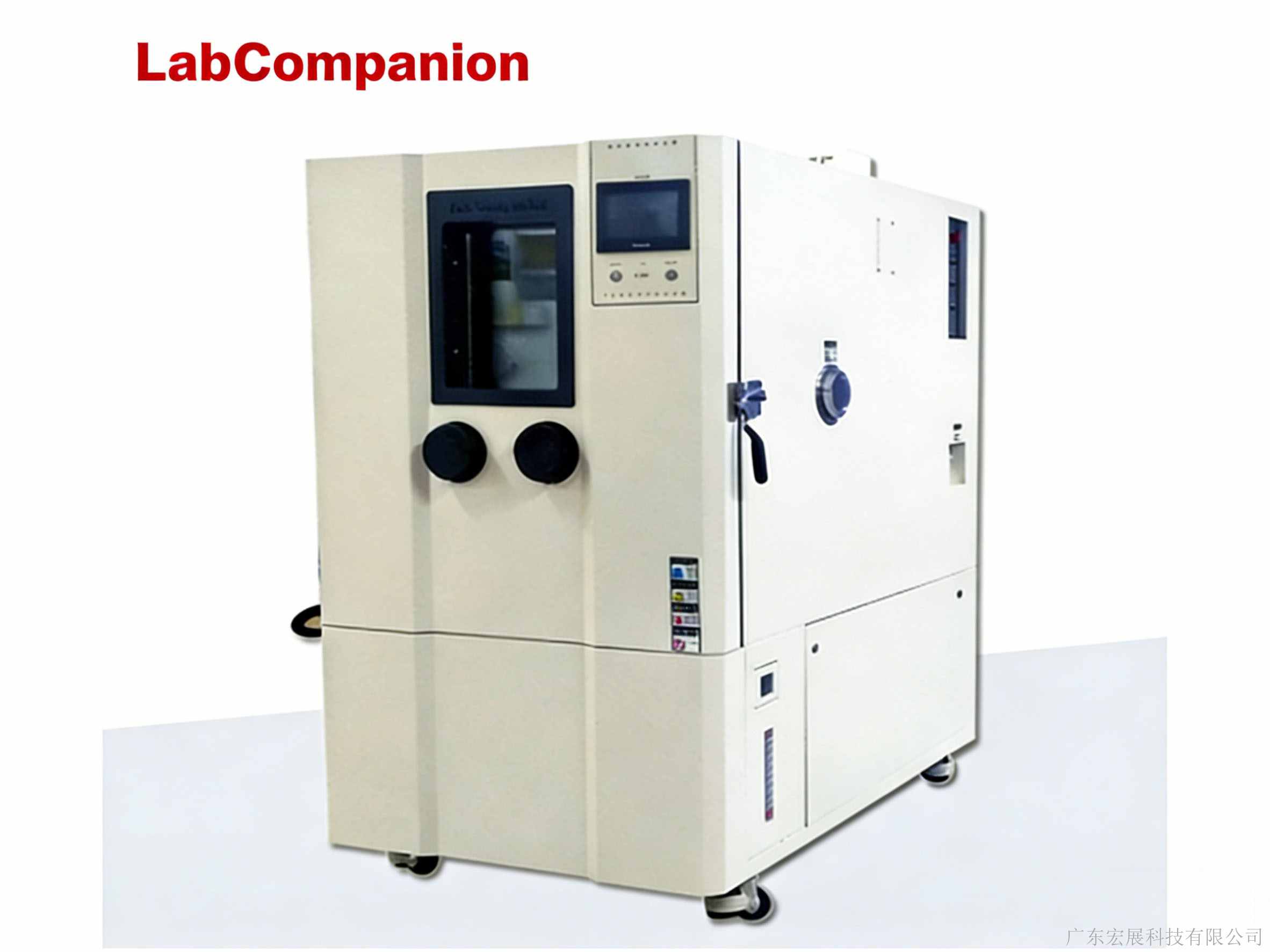
The glove-type high-low temperature test chamber is a key equipment for environmental reliability testing in electronics, automotive, aerospace and other fields. With the core advantages of "sealed isolation + precise temperature control + convenient operation", it has become an ideal solution for sample testing under extreme temperatures. Its core features can be summarized in the following six dimensions.
I. Wide-Range and Precise Temperature Control, Adapting to Diverse Testing Needs
The equipment has a wide temperature range. Conventional models can simulate extreme environments from -70℃ to +150℃, and customized models can expand the temperature range to adapt to high and low temperature resistance testing of various products. It adopts PT100 platinum resistance sensor and PID high-precision control algorithm, with temperature fluctuation ≤±0.5℃ and uniformity ≤±2.0℃, ensuring accurate test data; the heating rate is 1.0-3.5℃/min and the cooling rate is 0.7-1.2℃/min, which can quickly switch temperatures and improve test efficiency.
II. Sealed Glove Operation, Ensuring Test Continuity and Safety
The chamber is equipped with a sealed operation port and high-sealing silica gel gloves to form an isolated test environment. Operators can real-time complete sample testing, status observation and other operations through the gloves without interrupting the test, avoiding temperature and humidity fluctuations caused by opening and closing the door, and improving data reliability; at the same time, it blocks the impact of extreme temperature inside the chamber on the outside, prevents external impurities from entering, and ensures environmental cleanliness and operator safety.
III. Intelligent and Convenient Operation, Improving Test Efficiency
The equipment is equipped with a large-screen touch screen controller, supporting Chinese-English bilingual switching and intuitive operation. The controller can preset 100 groups of processes, 50 steps/group of test procedures, and support 250 cycles of testing, meeting the needs of alternating temperature testing; it is equipped with USB and network communication functions, which can real-time export data, print curves and remote monitoring operations, facilitating data traceability and management; some models are equipped with test holes, which can be connected to external power supplies to realize live sample testing and expand application scenarios.
IV. Stable Structural Design, Ensuring Long-Term Stable Operation
The chamber adopts a double-layer composite structure. The outer shell is made of A3 steel plate with electrostatic spraying, which is corrosion-resistant and durable; the inner tank is made of SUS304 mirror stainless steel, which is high-temperature resistant and easy to clean; the middle is filled with 100mm high-density glass fiber cotton insulation layer, which is heat-insulating and energy-saving. The chamber door is equipped with double-layer high-temperature resistant sealing strips and hollow tempered glass observation window. The observation window is equipped with conductive film heating defrosting function, taking into account both sealing and observation needs. The refrigeration system adopts fully enclosed unit and environmentally friendly refrigerant, with forced air cooling, stable operation and low noise. It has passed 48-hour air pressure leak test to ensure stability and reliability.
V. Comprehensive Safety Protection, Reducing Test Risks
The equipment is built with multiple safety protection mechanisms, including over-temperature protection, refrigeration system overload and over-pressure protection, phase loss/phase reversal protection, leakage protection, water shortage protection, etc. It is equipped with three-color indicator lights to real-time display operation, standby and fault status. When a fault occurs, it will automatically shut down and prompt the cause, facilitating troubleshooting. The heating and refrigeration systems are independently designed to avoid interference, which not only improves temperature control accuracy, but also reduces the impact of single system failure on the test, ensuring equipment operation and sample safety.
VI. Compliance with Authoritative Standards, Adapting to Multi-Industry Needs
The product strictly complies with national and international standards such as GB/T2423.1-2008, GB/T2423.2-2008 and IEC60068. It is widely used in electronics, electrical engineering, automotive, aerospace, biomedicine, building materials and other fields. It can complete high and low temperature and constant temperature performance testing of materials and products, providing support for product design improvement and quality verification.
In summary, with the core advantages of precise temperature control, sealed operation, intelligence and convenience, and stability and reliability, the glove-type high-low temperature test chamber solves the pain points of dynamic testing under extreme temperatures. It is a key equipment for environmental reliability testing in multiple industries and provides solid guarantee for product quality improvement.
1. Refrigeration System Protection
- Compressor Overpressure Protection: Real-time monitors compressor internal pressure. Automatically triggers protection when pressure exceeds the safety threshold to avoid overpressure damage and ensure stable refrigeration system operation.
- Compressor Overheating Protection: Equipped with overheating detectors to sense compressor operating temperature. Immediately cuts off the circuit when overheated to prevent winding burnout and extend equipment service life.
- Compressor Overcurrent Protection: Monitors compressor current via a detection module. Rapidly cuts off power when current is abnormally high to avoid damage to the compressor and related electrical components.
- Refrigerant Pressure and Overload Protection Device: Monitors refrigerant circulation pressure to prevent system damage from leakage or abnormal pressure; protects against refrigeration system overload to ensure safe operation.
2. Test Chamber Protection
- Adjustable Overtemperature Protection: Flexibly sets overtemperature thresholds to adapt to different samples' temperature tolerance. Triggers protection promptly when the test chamber temperature reaches the set threshold.
- Three-Layer High-Temperature Overtemperature Protection: Hierarchical design: 1) Basic overtemperature protection linked with test control logic; 2) Electronic device for fast response; 3) Ultimate barrier to cut off heat source under extreme high temperature, ensuring sample and equipment safety.
- Fan Motor Overcurrent Protection: Provides overcurrent protection for circulating fan motor. Cuts off power quickly when current exceeds standard due to abnormal load or jamming to prevent burnout and ensure normal temperature uniformity circulation.
- Fault Abnormality Protection: Monitors equipment operation. Cuts off control power immediately to prevent fault expansion when abnormalities (e.g., temperature runaway, motor failure) occur; outputs fault indication and alarm signals for quick troubleshooting.
- Active Water Shortage Prompt: Equipped with water level sensor. Issues acousto-optic prompt when water level is too low, reminding timely replenishment to avoid test disruption or humidification component damage.
- Dynamic High and Low Temperature Protection: Intelligent adaptive adjustment. Dynamically modifies protection values according to test temperature curve to ensure test smoothness and intervene promptly in abnormal temperature fluctuations, improving safety and accuracy.
3. Other Protections
- Main Power Phase Sequence and Phase Loss Protection: Monitors power phase sequence and phase presence. Cuts off main power immediately on phase sequence error or loss to prevent motor reversal and electrical component burnout, ensuring overall electrical safety.
- Short Circuit Protection: Equipped with short circuit protectors. Fuses or trips quickly to cut off fault circuit when short circuit occurs, avoiding fires and equipment damage.
- Leakage/Surge Prevention Protection: Multi-layer design: leakage circuit breaker ensures operator safety; FUSE and RC electronic components suppress grid surges, protecting precision electronic parts.
- Controller Internal Automatic Detection Protection: Real-time detects core temperature/humidity sensor. Triggers protection and fault prompt on sensor abnormality to avoid test deviation or equipment misoperation.
- Water Cutoff and Dry Burning Protection: Dual protection: prevents humidification system damage from water cutoff idling; avoids electric heating component burnout in water-free state, ensuring humidification and heating system safety.
- Expansion Protection Device: Reserves two fault detection input interfaces for additional protection components or upgrades, enhancing system expandability and adaptability.
Summary
The test chamber's safety protection devices form a comprehensive, multi-level system covering refrigeration, test chamber and electrical systems. Integrating real-time monitoring, early warning and rapid response, they effectively prevent equipment damage from abnormalities (overpressure, overheating, etc.), protect samples and operators. Reserved expansion interfaces enhance flexibility and adaptability, ensuring stable, safe and reliable operation under various conditions.
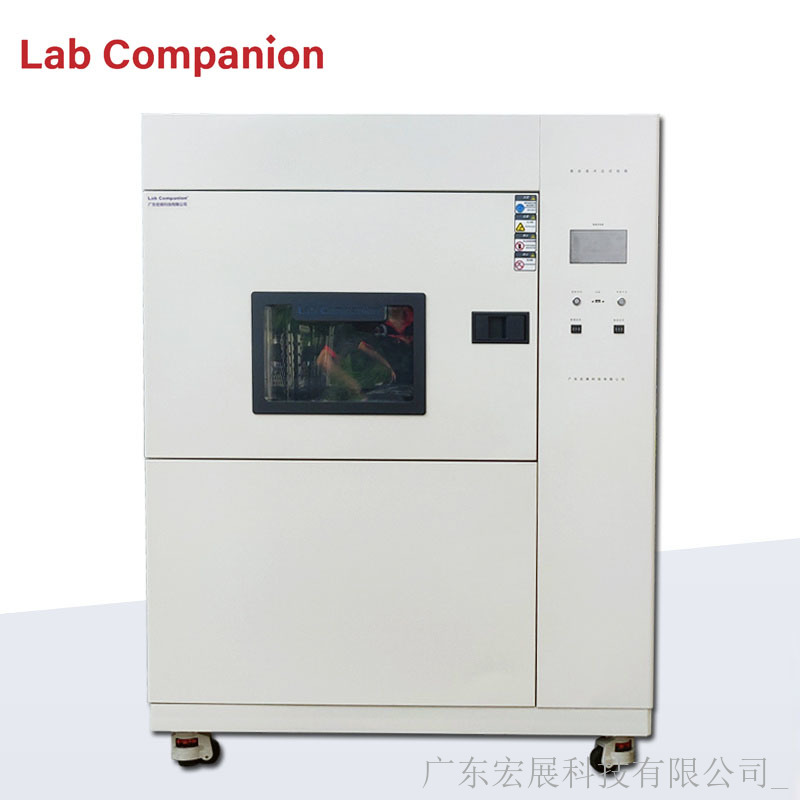
The three-zone thermal shock test chamber is core equipment for simulating extreme temperature change environments. Its stability directly affects test data accuracy and service life. Daily maintenance shall target fault prevention, precision assurance and service life extension, focusing on the upkeep of key systems. Key points are as follows:
I. Daily Maintenance Key Points for Core Systems
1. Refrigeration System: Ensure Cooling Efficiency & Operational Safety
Check the refrigerant pressure gauge weekly to maintain pressure within the calibrated range (high pressure: 0.8–1.2 MPa; low pressure: 0.1–0.3 MPa). Troubleshoot leaks promptly if abnormalities are detected.
Clean condenser fins monthly: Use compressed air (≤0.4 MPa) to blow dust from inside to outside for air-cooled models; ensure clean, scale-free cooling water and inspect cooling towers/filters regularly for water-cooled models.
Inspect the smooth operation of solenoid valves and expansion valves quarterly. Disassemble and clean valve cores if jamming occurs.
2. Heating System: Ensure Uniform Heating & Electrical Safety
Check heating tube terminals and measure insulation resistance (≥2 MΩ) daily before testing to prevent electric leakage or uneven heating.
Test SSR output voltage with a multimeter monthly.
Disassemble the heating chamber semi-annually to remove debris and carbides, ensuring efficient heat transfer.
3.Water Circuit & Sealing System: Maintain Circulation Stability & Temperature Field Sealing
Replace deionized water in the circulation tank weekly and keep the water level ≥ 2/3 of the tank volume.
Dismantle filter cartridges monthly, soak in 5% citric acid for 30 minutes, and rinse to remove scale.
Inspect door seals daily, wipe clean with alcohol cotton, and replace immediately if damaged.
4. Mechanical & Electrical Systems: Ensure Smooth Switching & Precise Control
Lubricate sample rack slides monthly with high-temperature grease (-40℃~200℃ resistance) and tighten door hinges/latches.
Calibrate air damper switching mechanisms quarterly, fasten distribution box terminals, and measure grounding resistance (≤4 Ω).
Wipe the control panel with a dry cloth daily; avoid corrosive solvents.
II. Periodic Maintenance Specifications
Daily/Post-test: Clean residues and moisture in the test chamber; inspect drain pipes; verify intact door seals and clear space around the equipment.
Weekly/Monthly: Check refrigeration system pressure and clean condensers; inspect heating system electrical connections; replace tank water and clean filters.
Quarterly/Semi-annually: Calibrate temperature sensors and controllers (error ≤±0.5℃); remove impurities from air ducts and fans; test sensitivity of safety devices (over-temperature protection, leakage protection, etc.).
Annual Maintenance: Performed by professional engineers, including refrigeration pipeline leak detection, compressor oil inspection, heating element testing, and full-system metrological calibration.
III. Critical Precautions
Power off and cool the chamber to room temperature before maintenance to avoid high-temperature/high-pressure hazards. Contact suppliers for professional operations (refrigerant refilling, sensor calibration, etc.).
Place the equipment in a well-ventilated area with ≥1m heat dissipation space around it; keep away from heat sources, water sources and dust; ensure stable power supply voltage.
Sample loading capacity ≤ 1/3 of the working chamber volume to prevent air duct blockage. Drain the water tank if the equipment is idle for over 1 month; power on monthly for 1 hour to prevent moisture buildup.
Establish a maintenance log to record upkeep details and troubleshooting measures, supporting the full-life cycle management of the equipment.
Systematic maintenance as above can reduce failure rates by over 60%, extend service life by 3-5 years, ensure reliable test data, and support product environmental adaptability testing.
In industrial manufacturing and R&D, "environmental adaptability" is a core product quality indicator. High-precision sectors like electronics, automotive, and aerospace demand exceptional product stability under severe temperature fluctuations. The three-chamber thermal shock chamber, a professional tool for simulating extreme temperature changes, has become essential for enterprises to ensure product reliability. This article analyzes this key testing equipment.
I. What is a Three-Chamber Thermal Shock Chamber?
A three-chamber thermal shock chamber conducts thermal shock tests by rapidly switching between high and low temperature environments. Its core is the independent "high-temperature + low-temperature + test chamber" structure, which enables faster temperature changes and precise control compared to two-chamber designs (shared high-low temperature chamber), avoiding transitional temperature interference and replicating real extreme conditions.
Key parameters: temperature range (-40℃~150℃ for high-temp chamber, -60℃~ambient for low-temp), shock rate (>10℃/s max), test chamber volume, and temperature uniformity (≤±2℃). These are customizable per industry standards.
II. Core Working Principle: Rapid Temperature "Energy Switching"
Its operation relies on "independent temperature control + rapid switching", with four key steps:
1. Zoned Control: High-temp chamber uses electric heating/hot air; low-temp chamber uses liquid nitrogen/cascade refrigeration. Both employ independent closed-loop control for stability.
2. Sample Placement: Sample is placed on a movable rack in the ambient-temperature test chamber initially.
3. Shock Cycle: Rack moves sample between high/low-temp chambers per program, simulating "high-low-high" cycles.
4. Data Monitoring: Built-in sensors record real-time temperature and sample performance for analysis.
Compared to two-chamber models, it eliminates temperature balance time (boosting efficiency by 30%+), avoids cross-contamination, and ensures more reliable results.
III. Core Advantages: Precision, Efficiency, and Stability
- Extreme Temp Range: -60℃~180℃, 15℃/s max rate, simulating plateaus/polar/aviation conditions.
- Precise Control: No temperature gradient; uniform heating/cooling, repeatability error ≤±1℃.
- High Efficiency: No chamber transition waits, ideal for batch sample screening.
- Wide Applicability: Suitable for electronics, automotive parts, aerospace components.
IV. Typical Application Scenarios: Full-Link Coverage from Laboratory to Production Line
Its core role is early defect detection, covering R&D, sampling, and quality tracing. Key applications focus on high-reliability industries:
1. Electronics and Electrical Industry: "Extreme Test" for Components
Electronic components (chips, capacitors, PCBs) face frequent temperature changes. This test reveals thermal expansion/contraction defects (solder cracks, package aging). For example, 5G base station chips undergo 1,000 cycles at -40℃~85℃ for climatic adaptability.
2. Automotive Industry: "Environmental Adaptability Verification" for Vehicles and Parts
Automobiles endure -30℃~40℃ cross-regional temp swings, demanding durable components. The chamber tests headlights, battery packs, displays, and seals. New energy vehicle battery packs undergo -20℃~60℃ shocks to verify charging safety; seals are tested for deformation/leakage resistance.
3. Aerospace and Military Industry: "Reliability Guarantee" in Extreme Environments
Aerospace equipment (-50℃~100℃ liftoff temp changes) requires rigorous testing. Satellite solar panels undergo 2,000 cycles at -60℃~150℃ for space stability; aircraft black boxes are tested to ensure crash data preservation.
4. New Materials and Packaging Industry: "Pre-Screening" for Performance and Safety
New materials (aerospace titanium alloys) use the test to verify mechanical stability. Food/pharmaceutical packaging (aluminum foil, glass) is tested to prevent damage/leakage during refrigeration/transport.
V. Conclusion: The "Invisible Guardian" of Reliability Testing
The chamber’s value lies in simulating extreme environments to pre-test products, reducing after-sales risks and boosting competitiveness. As manufacturing advances, it has evolved from a niche tool to a standard asset for R&D and quality control.
For temperature reliability testing, select a chamber with parameters matching your products—pre-emptive defect detection is far more effective than post-failure fixes.
In product reliability testing, test chamber selection directly determines result value. While composite salt spray and high-low temperature test chambers are both environmental test equipment, their applications differ greatly. This guide helps you quickly select suitable equipment by testing requirements, application scenarios and core parameters.
I. Clarify Core Requirements First: What Problem Do You Need to Solve?
The first selection step is clarifying the core purpose—verifying "corrosion resistance" or "temperature change resistance", the essential difference between the two.
1. Choose Composite Salt Spray Test Chamber: When Focusing on "Corrosion Resistance Reliability"
For products exposed to high-salt/humid environments or relying on coatings/platings, the composite salt spray test chamber is ideal. It simulates marine/coastal industrial corrosion environments to accurately assess protective system durability.
Typical Requirement Scenarios:
① Coastal-used automotive parts (prevent coating peeling/rusting)
②Galvanized hardware (confirm salt spray corrosion resistance duration)
③ Marine engineering equipment (test overall salt corrosion resistance)
2. Choose High-Low Temperature Test Chamber: When Focusing on "Temperature Change Stability"
For products working in extreme/frequent temperature changes, the high-low temperature test chamber is essential. It simulates high-low temperature cycles to detect functional failures and structural deformations caused by temperature shifts.
Typical Requirement Scenarios:
• Mobile phone batteries (test low-temperature discharge performance)
• Industrial controllers (ensure high-temperature parameter stability)
• Outdoor instruments (assess temperature-induced shell cracking risk)
II. Quick Matching by Industry and Product Type
Product characteristics in different industries determine testing priorities. The following classifications enable quick selection.
1. Industries and Products Prioritizing Composite Salt Spray Test Chamber
Core feature: Products in high-salt environments or with protective coatings as key quality indicators.
• Automotive: Body parts, chassis components, electroplated decorations
• Hardware Electroplating: Galvanized/chromium parts, tools, sanitary hardware
• Marine/Shipbuilding: Ship parts, marine equipment, port machinery
• Outdoor Equipment: Communication base stations, PV brackets, lamp housings
2. Industries and Products Prioritizing High-Low Temperature Test Chamber
Core feature: Product performance sensitive to temperature or requiring extreme temperature adaptability.
• Electronics: Chips, circuit boards, sensors, home appliances
• New Energy: Lithium batteries, PV modules, energy storage devices
• Military/Aerospace: Military electronics, aerospace components
• Medical Devices: Portable medical equipment, outdoor emergency tools
III. Key Parameter Checklist for Selection
After confirming the general direction, match key parameters to avoid cost waste or insufficient performance.
1. Composite Salt Spray Test Chamber: Focus on "Corrosion-Related Parameters"
• Salt Spray Type: NSS/ASS/CASS (select per standard; CASS for automotive parts)
• Deposition Rate: 0.5-2mL/(80cm²·h) (comply with test standards)
• Additional Functions: Temperature-humidity cycle/drying (as needed)
• Chamber Material: PVC/PP (strong corrosion resistance)
2. High-Low Temperature Test Chamber: Focus on "Temperature Change-Related Parameters"
• Temperature Range: Conventional -70℃~150℃ (extendable for special needs)
• Change Rate: 5℃/min (rapid) for impact resistance; conventional for daily tests
• Humidity Function: Temperature-humidity type (if needed); pure high-low temperature otherwise
• Chamber Volume: Ensure product fit with ≥5cm wall distance (temperature uniformity)
IV. Selection Pitfalls: Common Misunderstandings
• Misunderstanding 1: Avoid redundant functions—no complex temperature control for salt spray tests; no humidity function for temperature-only tests
• Misunderstanding 2: Match parameters to actual needs—overly wide temperature ranges increase costs unnecessarily
• Misunderstanding 3: Comply with industry standards (e.g., ISO 9227 for automotive) to ensure valid results
The composite salt spray test chamber is core equipment for corrosion reliability testing of products such as metals and coatings, and its test data directly affects quality evaluation. However, negligence of details during actual operation often leads to distorted results. This article sorts out common mistakes and precautions to improve the standardization of tests.
I. Common Mistakes During Operation
(1) Pre-test Preparation: Basic Omissions Lay Hidden Risks
1. Non-standard salt solution preparation: Estimating salt dosage by experience or failing to use a balance with an accuracy of ≥0.1g easily causes concentration deviation from standards (e.g., 5% sodium chloride solution); using tap water instead of deionized water introduces interfering ions; injecting insufficiently mixed solution tends to clog nozzles and result in uneven salt spray distribution.
2. Improper sample treatment and placement: Unremoved oil and rust on the sample surface prevent salt spray from contacting the substrate; overlapping samples, insufficient spacing, or failure to align with the spray direction at an angle of 15°–30° all lead to data deviation.
3. Perfunctory equipment inspection: Insufficient water in the liquid storage tank may interrupt the test; salt deposits blocking nozzles and air pipes cause inadequate salt spray; uncalibrated temperature and humidity sensors result in loss of control over test conditions.
(2) During the Test: Improper Operation Causes Data Invalidity
1. Arbitrary adjustment of test parameters: Unauthorized modification of parameters such as temperature and salt spray volume leads to inaccurate data; frequent door opening midway disrupts the stable temperature and humidity environment inside the chamber.
2. Neglect of abnormal condition handling: Failure to shut down and troubleshoot anomalies (e.g., uneven salt spray, temperature/humidity fluctuations) results in distorted data. For instance, unaddressed abnormal salt spray deposition (1–2mL/(80cm²·h)) will make corrosion evaluation deviate from actual conditions.
3. Incomplete data recording: Only recording the start and end time without real-time logging of parameters (e.g., temperature and humidity); failing to timely document sample corrosion phenomena impairs subsequent analysis.
(3) Post-test: Improper Follow-up Affects Equipment Service Life and Data Analysis
1. Inadequate equipment cleaning: Residual salt solution corrodes the chamber and pipelines; salt deposits block nozzles and atomizers; corrosion products on the chamber wall contaminate subsequent samples.
2. Rash sample treatment and analysis: Failure to rinse and dry samples in accordance with standards allows residual salt to continue corroding the samples; relying solely on visual observation without instrumental quantitative data leads to unscientific conclusions.
3. Lack of equipment maintenance: Not inspecting sealing rings, lubricating components, or cleaning filters results in frequent equipment failures and shortened service life.
II. Core Precautions: Ensure Test Accuracy and Equipment Stability
1. Standardize solution preparation: Prepare solutions in accordance with standards such as GB/T 10125, weigh salt with a precision balance and use deionized water, verify concentration with a densitometer, and inject the solution after thorough mixing and standing.
2. Standardize sample operation: Degrease, derust, and dry samples; ensure sample spacing ≥20mm, distance from chamber wall ≥50mm, and place samples at 15°–30° to prevent shielding.
3. Comprehensively inspect equipment before testing: Check water level, remove salt deposits, calibrate sensors, and verify airtightness to ensure test conditions meet requirements.
4. Stabilize and control test parameters: Prohibit modification of core parameters; limit door opening time to ≤1 minute; record data hourly; shut down and troubleshoot anomalies before retesting.
5. Maintain and clean equipment post-test: Drain and rinse the equipment thoroughly; process samples in a standardized manner and conduct instrumental analysis; regularly replace filters, inspect sealing rings, and keep detailed maintenance records.
III. Conclusion
The quality of composite salt spray test chamber operation hinges on standardized procedures. Avoiding common mistakes and strictly following precautions ensures data accuracy to support product quality control, while extending equipment service life and reducing costs. Standardization is the core of accurate testing.







 Obtenez un devis
 Réseau IPv6 pris en charge